


For 25 years, CMI has worked to prevent and resolve conflicts around the world. These years have been marked by diverse projects across multiple regions, driven by the dedication of committed staff members. This timeline highlights key milestones from CMI’s journey, beginning in the year 2000 when the organisation was founded.
2000 – The Beginning
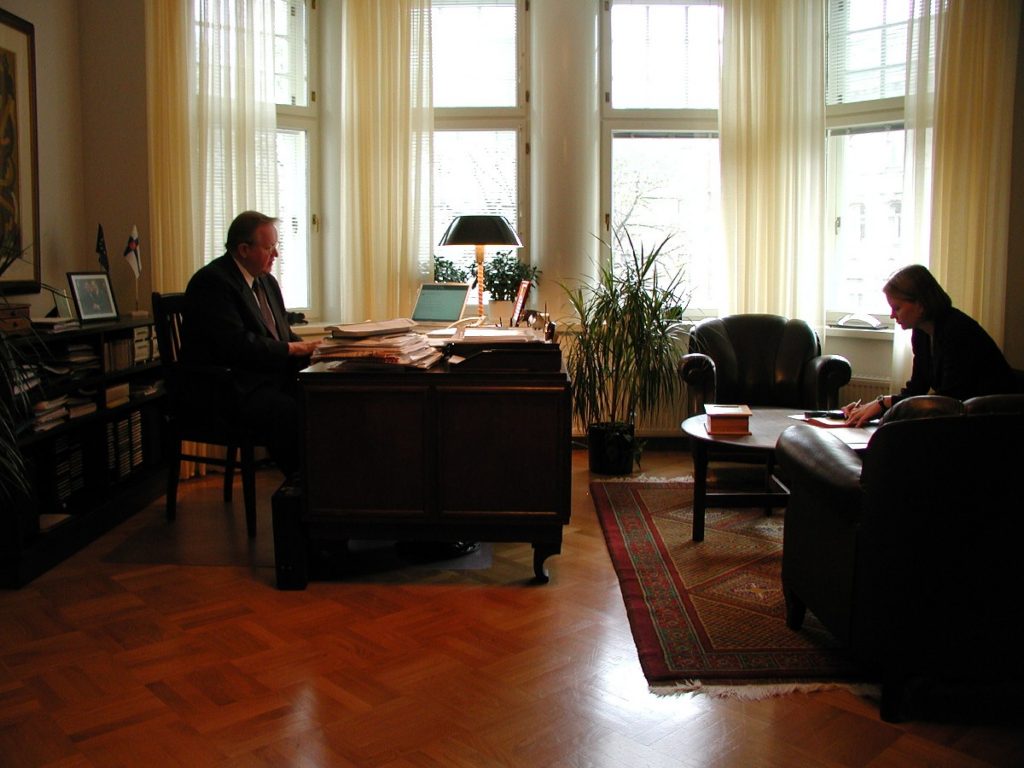
President Ahtisaari in his office at Pieni Roobertinkatu in Helsinki, Finland.
President Martti Ahtisaari founded Crisis Management Initiative (CMI) in March 2000, shortly after completing his term as President of Finland. He declined the role of United Nations High Commissioner for Refugees, choosing instead to focus on addressing the root causes of conflict. His vision for CMI was clear: the organisation was to meaningfully contribute to resolving conflicts around the world, and to create a space where young professionals could grow into peace mediation experts.
In May, the British Government appointed President Ahtisaari and South African politician Cyril Ramaphosa to lead inspections of Irish Republican Army (IRA) weapons dumps in Northern Ireland.
2001 – Laying the Foundations
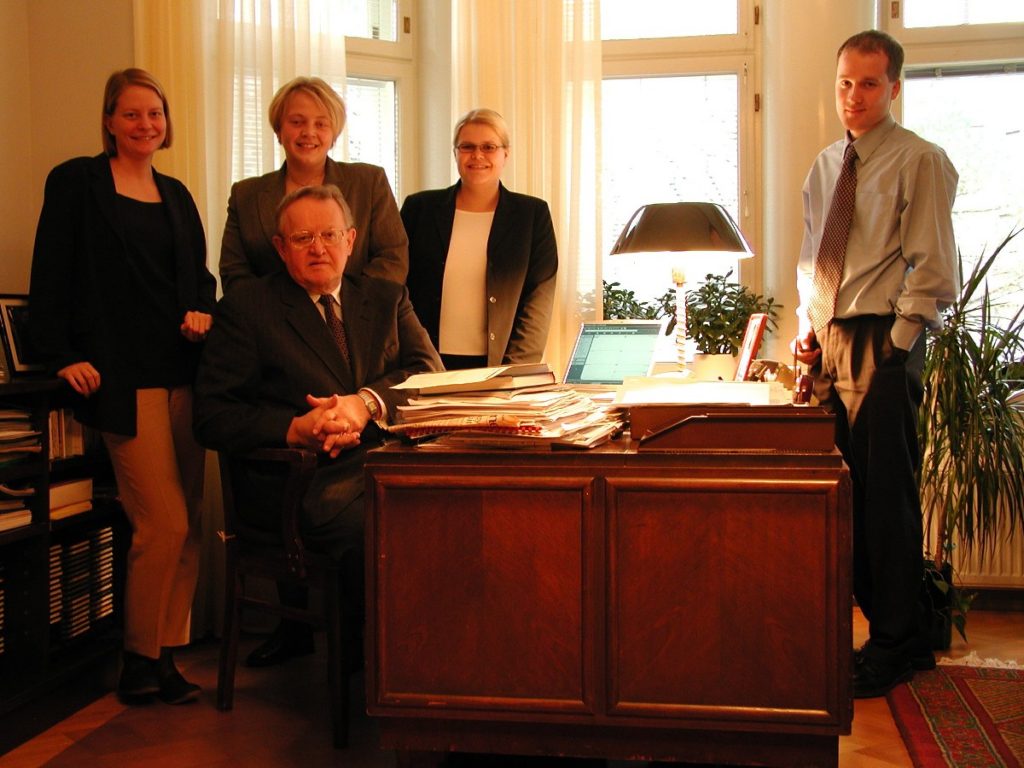
President Ahtisaari with the first employees of CMI: Minna Järvenpää, Kristiina Rintakoski, Meeri-Maria Jaarva and Antti Pentikäinen.
In 2001, CMI started its first project focusing on training for civilians involved in crisis management operations. During these early years, CMI’s work centred on crisis management and the role of technology in peacebuilding. This included the launch of the Information Technology and Crisis Management (ITCM) project, which explored how digital tools could support conflict prevention and resolution.
2002 – Growing Leadership and Global Dialogue
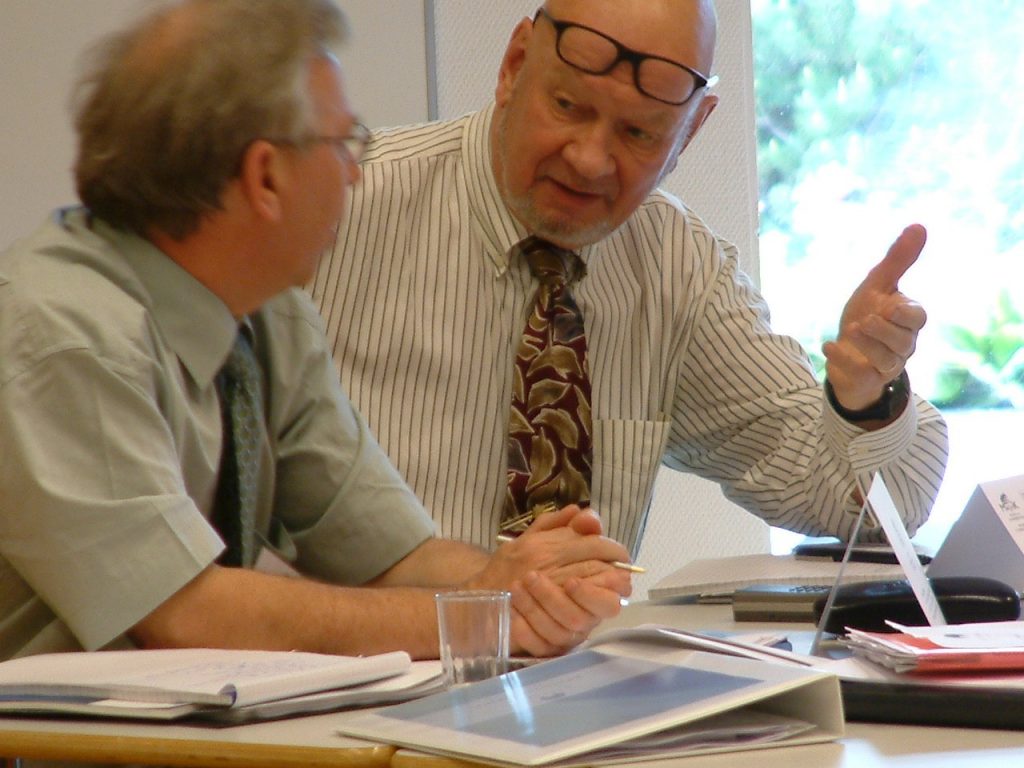
On the right, Jaakko Iloniemi, the first Executive Director of CMI.
As CMI’s workload expanded, the need for day-to-day leadership and public representation grew alongside it. Finnish diplomat Jaakko Iloniemi was appointed as CMI’s first Executive Director, supporting President Ahtisaari and helping to guide the organisation’s development.
That same year, CMI became the secretariat of the Helsinki Process on Globalisation and Democracy, a joint initiative by Finland and Tanzania aimed at finding new and empowering solutions to the challenges of global governance. The process provided a platform for open and inclusive dialogue among a wide range of stakeholders, reinforcing CMI’s commitment to collaborative approaches in peacebuilding.
2003 – Expanding Focus
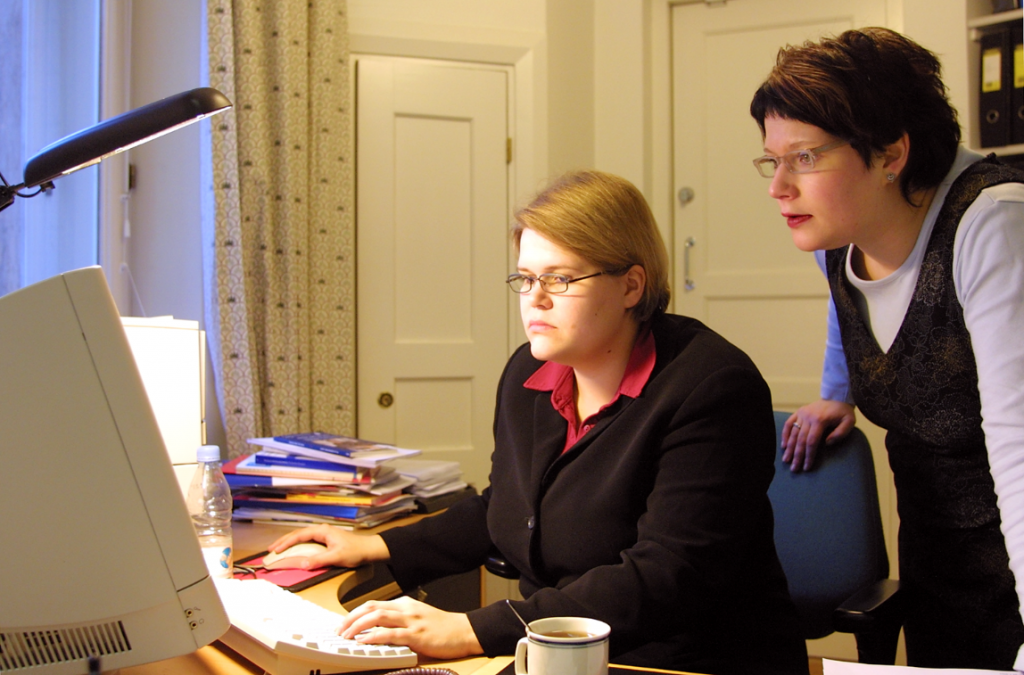
Meeri-Maria Jaarva and Pauliina Arola at CMI office.
By 2003, CMI’s areas of focus began to diversify. Two key initiatives reflected the organisation’s evolving priorities. The Crisis Management Capabilities programme aimed to strengthen the professionalism and capacity of the international community, especially civilian organisations, in crisis management. Meanwhile, the Globalisation and Global Governance programme took a broader approach, addressing issues ranging from development finance to global justice. These programmes laid the groundwork for CMI’s expanding role in both practical and policy-level peacebuilding.
2004 – Expanding Presence and Capacity
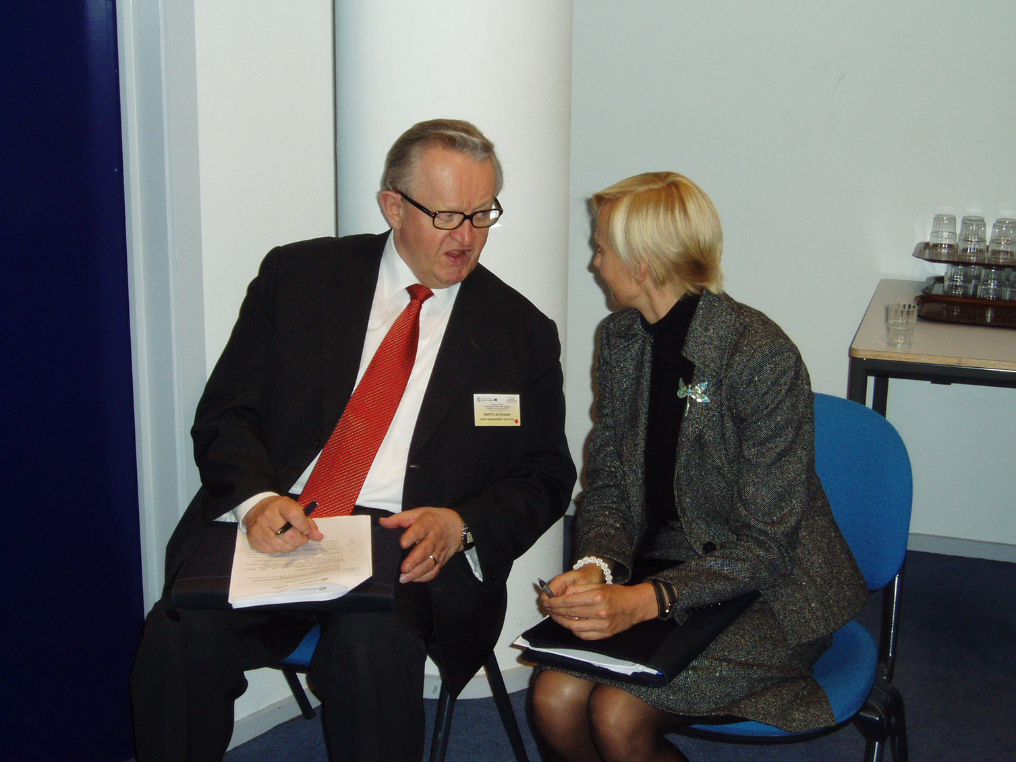
President Ahtisaari and Antje Herrberg, who managed the Brussels office.
In 2004, CMI opened its first office outside Finland, in Brussels. The city was chosen for its strategic importance, reflecting the European Union’s growing role as a key partner in many of CMI’s projects. This presence enables more effective and closer collaboration with EU institutions.
As CMI’s projects expanded and the Helsinki Process demanded more resources, the organisation moved to larger premises in Helsinki and recruited additional staff to support its growing operations. Pauliina Arola took over as the Executive Director of CMI.
2005 – A Defining Year
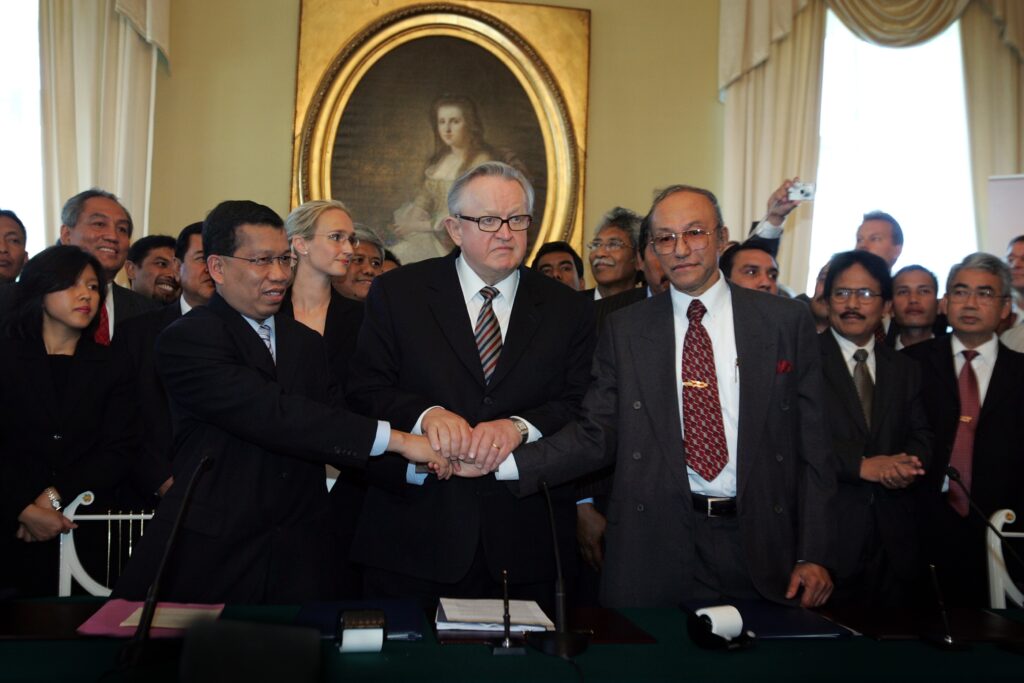
Singing of the peace agreement in Helsinki. picture Jenni-Justiina Niemi.
In 2005, CMI and its Chairman, President Martti Ahtisaari, were invited to facilitate peace talks between the Government of Indonesia and the Free Aceh Movement (GAM). The first round of negotiations took place in January in Helsinki. This was followed by five other rounds, all held in Finland, culminating in the signing of the Aceh Peace Agreement on 15 August. The agreement brought an end to nearly three decades of conflict, marking a historic achievement in CMI’s early years and setting a powerful example of effective mediation.
That same year, the Helsinki Process on Global Governance and Democracy reached its peak with a major international conference in September, titled Mobilising Political Will. The event featured thematic seminars, key dialogues, and roundtable discussions aimed at generating momentum and building new coalitions for a fairer and more inclusive form of globalisation.
2006 – Building Structure and Strategy
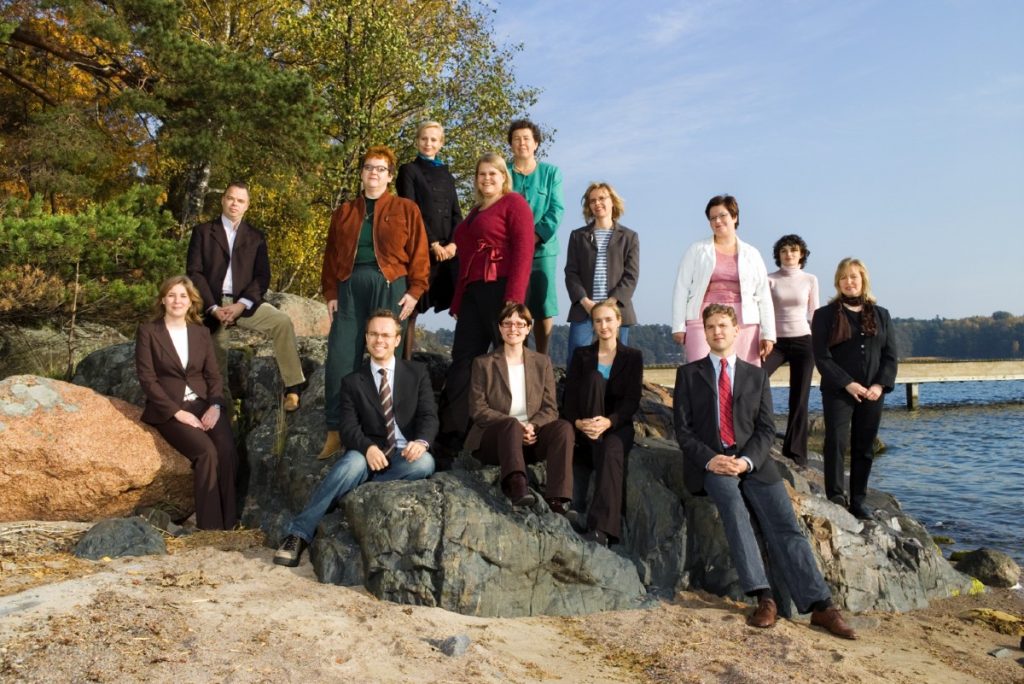
CMI recruited more staff as the projects grew in size.
In 2006, CMI took important steps to professionalise its operations. The organisation began shifting from responding to ad hoc requests toward a more structured and strategic approach. This included drafting CMI’s first organisational strategy, a process that involved both staff and the Board.
According to the new strategy, CMI’s work would focus on two core areas: crisis management and conflict resolution. The conflict resolution work placed particular emphasis on peace support, mediation, and improving the quality of peace processes. These developments laid the foundation for a more focused and sustainable approach to CMI’s mission.
2007 – Facilitating Dialogue in Iraq
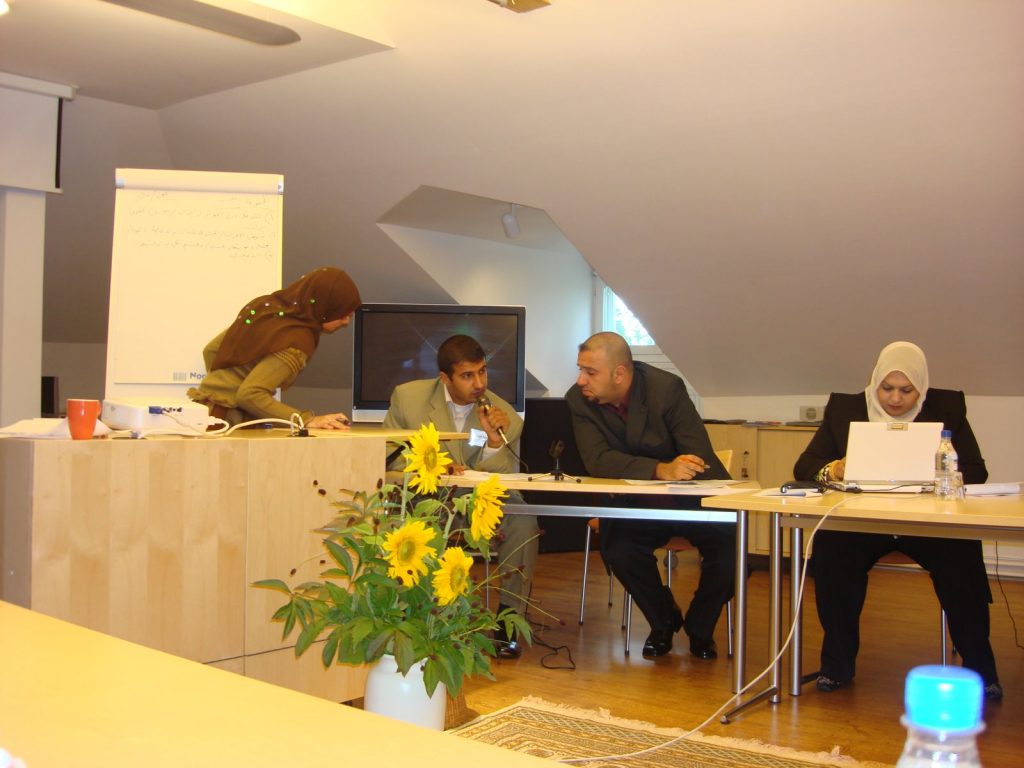
Iraq meeting in Finland.
In 2007, CMI played a key role in supporting dialogue in Iraq by inviting Shia and Sunni leaders to Finland to agree on a roadmap for peace. The meeting was hosted by President Martti Ahtisaari, South African politician Cyril Ramaphosa, and Martin McGuinness, Deputy First Minister of Northern Ireland. This initiative reflected CMI’s growing reputation as a trusted facilitator in complex and sensitive peace processes.
In October, Kalle Liesinen took over as the Executive Director of CMI.
2008 – Global Recognition
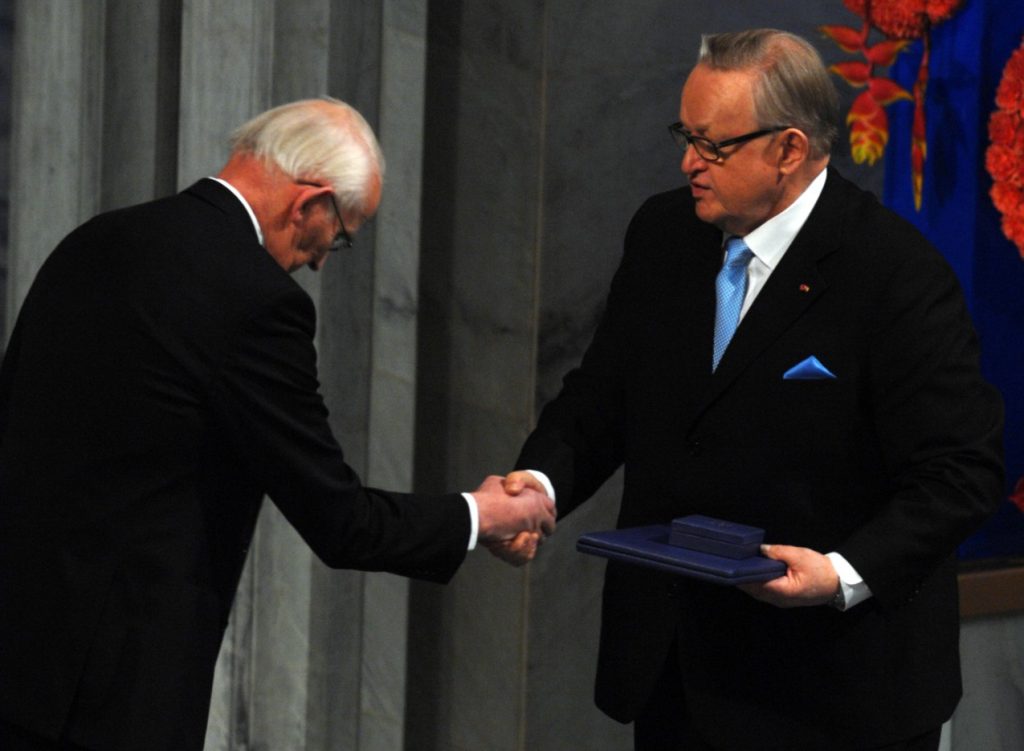
The Nobel Peace Prize Award Ceremony in Oslo, Norway.
In 2008, President Martti Ahtisaari was awarded the Nobel Peace Prize for “his important efforts, on several continents and over more than three decades, to resolve international conflicts,” as stated by the Nobel Committee. His contributions included leading roles in Namibia’s independence, Serbia’s withdrawal from Kosovo, and securing self-governance for Aceh in Indonesia. The award brought global recognition not only to President Ahtisaari’s lifelong dedication to peace, but also to the values and mission at the heart of CMI’s work.
2009 – Strengthening Leadership and Expanding Reach
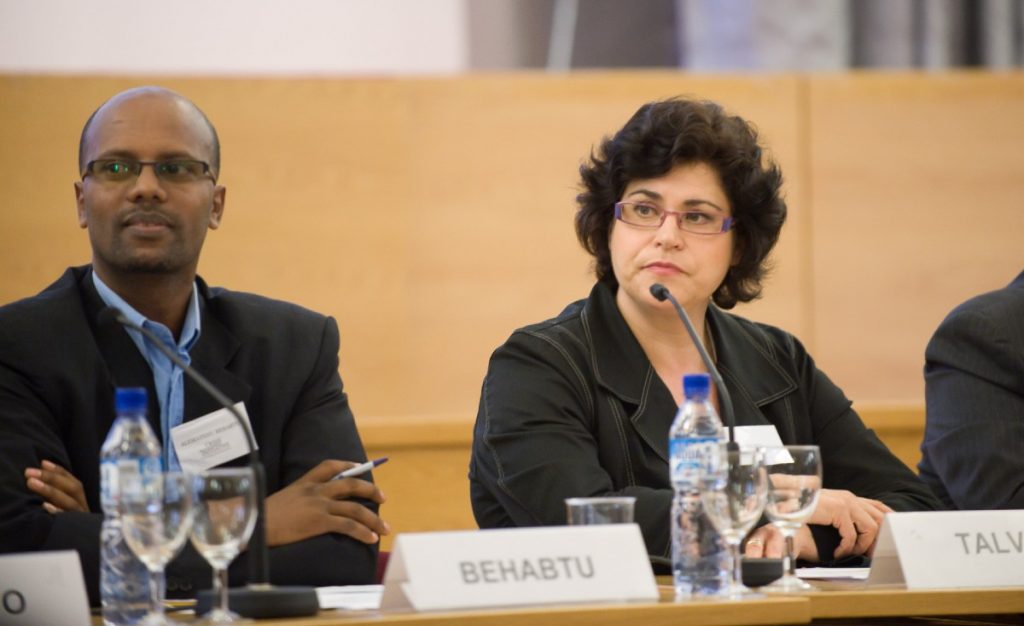
CMI’s former Executive Director Tuija Talvitie, on the left Alex Behabtu.
In autumn 2009, Tuija Talvitie was appointed as CMI’s Executive Director, having previously served on the organisation’s board from 2006 to 2009. At the time, CMI was still relatively small on the international stage and faced financial challenges. Under Talvitie’s leadership, the organisation grew into one of the most respected conflict resolution actors globally.
CMI continued to expand its work by establishing regional teams and recruiting local staff, a programmatic shift that laid the foundation for many new initiatives in the years to come. One of these was in Ukraine, where CMI supported the development of a network of experts focused on conflict prevention and peacebuilding in the Black Sea Region.
CMI also began working in the South Caucasus, facilitating a multi-track dialogue process, and launched cooperation with the African Union, which continues to this day. In 2009, CMI partnered with the AU’s Peace and Security Department and the African Centre for the Constructive Resolution of Disputes (ACCORD) to strengthen the AU’s capacity for preventive diplomacy and peace mediation.
2010 – Deepening Engagement
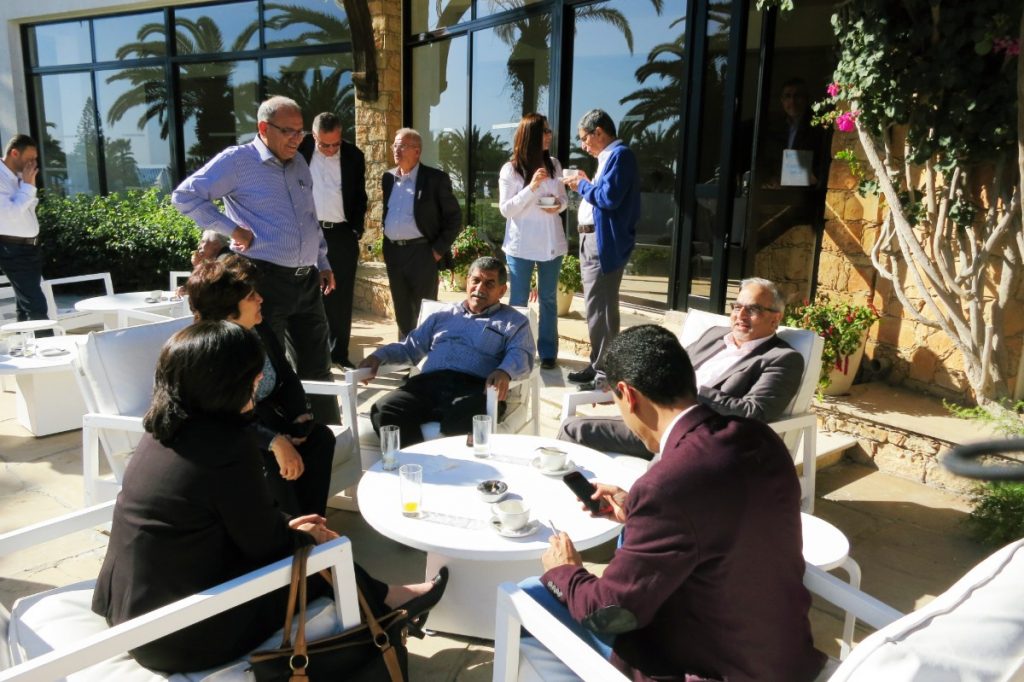
In 2016, CMI with its Palestinian partner Masarat brought together a group of Palestinian actors from the different Palestinian communities to discuss how they could create opportunities for Palestinians to be involved in reconciliation.
In 2010, CMI expanded its work to new regions and deepened its engagement in conflict resolution. In Palestine, CMI began supporting dialogue among Palestinian actors. In partnership with Masarat, the Palestinian Center for Policy Research & Strategic Studies, CMI focused on developing practical mechanisms to promote sustainable national unity.
CMI also began its work in Moldova by supporting the Transdniestrian settlement process through a multi-level approach. The organization focused particularly on confidence-building across the conflict divide, engaging with actors at various levels to foster trust and dialogue in a complex and sensitive environment.
Additionally, CMI served as the secretariat for the Kyrgyzstan Inquiry Commission (KIC) from 2010 to spring 2011. Led by former Finnish parliamentarian Kimmo Kiljunen, the commission investigated the 2010 inter-ethnic violence in Kyrgyzstan. In 2011, the KIC released a report urging the Kyrgyz government to act swiftly on its recommendations.
2011 – Supporting Transitions and Engaging Youth
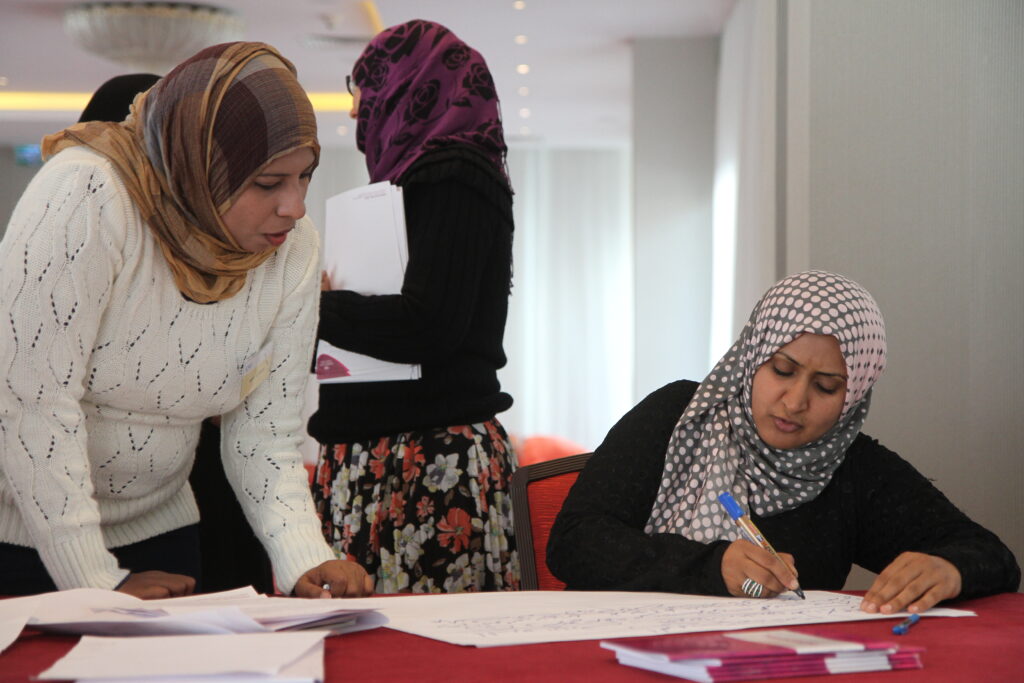
Yemen Women’s Forum in Istanbul, Turkiye.
In 2011, CMI began working in Yemen to support the country’s political transition. As Yemen embarked on an UN-supported national dialogue on its future, CMI facilitated informal discussions among key actors to address critical issues alongside the formal political process.
That same year marked the launch of the Ahtisaari Days in Finland, an event held in honour of President Ahtisaari with the goal of bringing conflict resolution into Finnish schools and inspire young people to engage with peacebuilding. What began as an annual event, Ahtisaari Days has since grown into a nationwide, year-round initiative with a sharpened focus on preventing violence and promoting constructive conflict resolution skills in Finland. Its mission is to cultivate conflict resolution as a civic skill especially to the youth, carrying forward the living legacy of President Ahtisaari.
2012 – High-Level Dialogue and Continued Peace Support
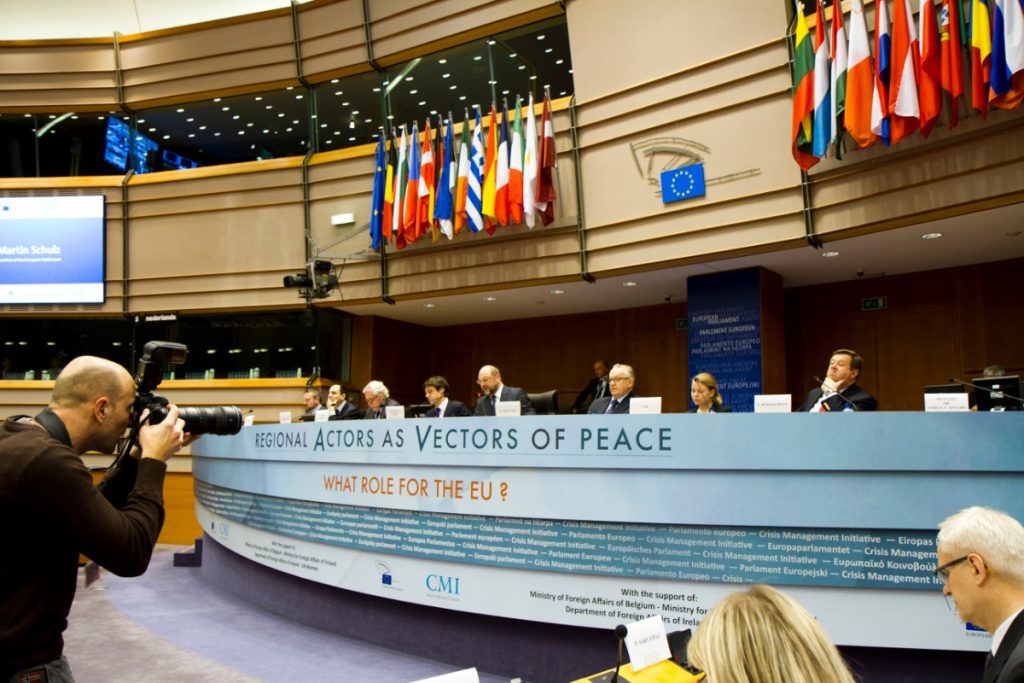
EU is an important partner for CMI. In 2012, CMI organised a seminar “Regional Actors as Vectors of Peace” at the European parliament.
In 2012, CMI co-organised a high-level seminar with the European Parliament in Brussels on the EU’s role as a regional peace actor. The event brought together leading mediators, including President Martti Ahtisaari, Lakhdar Brahimi, Margaret Vogt, and Alvaro de Soto, alongside practitioners from conflict contexts such as Aceh, Uganda, Sri Lanka, Malaysia, Sudan, and Palestine. Attended by around 600 participants, including representatives from EU institutions, Member States, and peer organizations, the seminar remains one of the largest events CMI has ever hosted.
That same year, CMI concluded its Aceh Peace Process Follow-up Project, which had for 2.5 years supported communication among stakeholders to strengthen the peace process and address unresolved elements of the peace agreement.
The launch of CMI’s Planning, Monitoring and Evaluation (PME) function in 2012 marked a strategic move toward professionalising the organisation’s operations, enabling more structured learning, adaptive management, and transparent impact assessment across its work.
2013 – Promoting Inclusive Mediation and EU Engagement
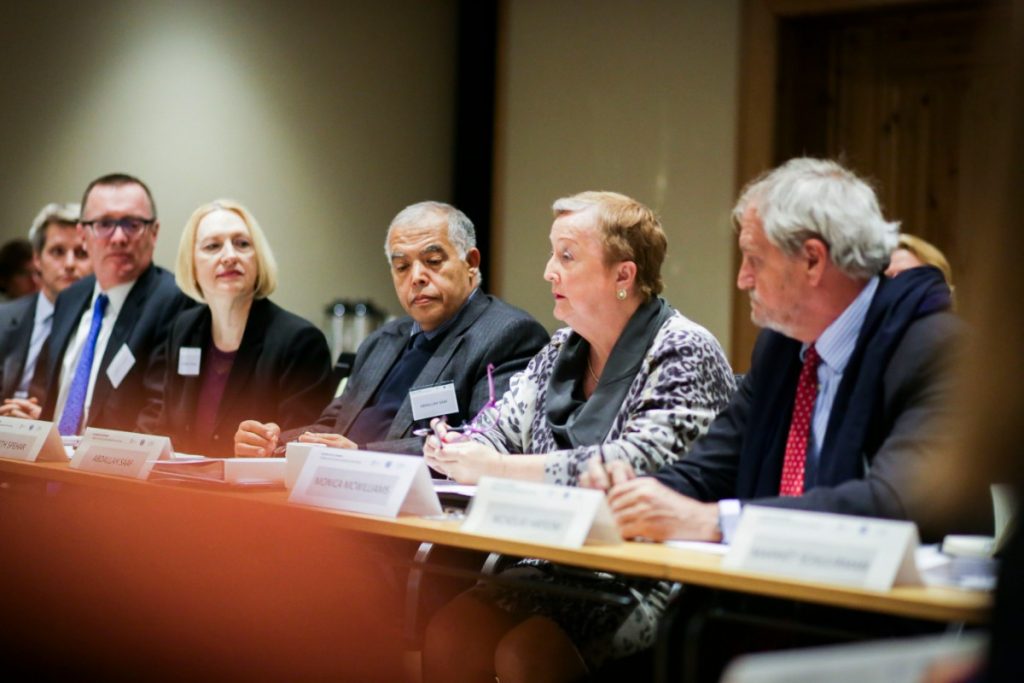
Monica McWilliams in the high-level seminar in 2014.
In 2013, CMI co-organised the first UN High-Level Seminar on Gender and Inclusive Mediation Strategies in Oslo, in partnership with the UN Department for Political and Peacebuilding Affairs (UN DPPA) and the Peace Research Institute Oslo (PRIO). Funded by the Foreign Ministries of Finland and Norway, the seminar provides a platform for leading peace mediation actors to exchange experiences, address challenges, and share practical strategies for ensuring women’s meaningful inclusion in peace processes.
CMI also hosted the launch of the UN Guidance for Effective Mediation in Brussels, focusing on how the guidance could be translated into EU mediation practices. The high-level event featured contributions from President Martti Ahtisaari, President Mary Robinson, Deputy Secretary General of the EEAS Helga Schmid, and representatives from the EU and UN.
Additionally, CMI joined a Consortium of peer organizations to lead the European Resources Mediation Support (ERMES) action. This initiative aimed to facilitate EU support for third-party actors engaged in inclusive peace mediation and dialogue at international, regional, and local levels. ERMES also provided technical assistance and training, becoming one of the first mediation support programmes of the European External Action Service (EEAS) since its establishment in 2010.
2014 – Inclusion, Expansion, and Strategic Support
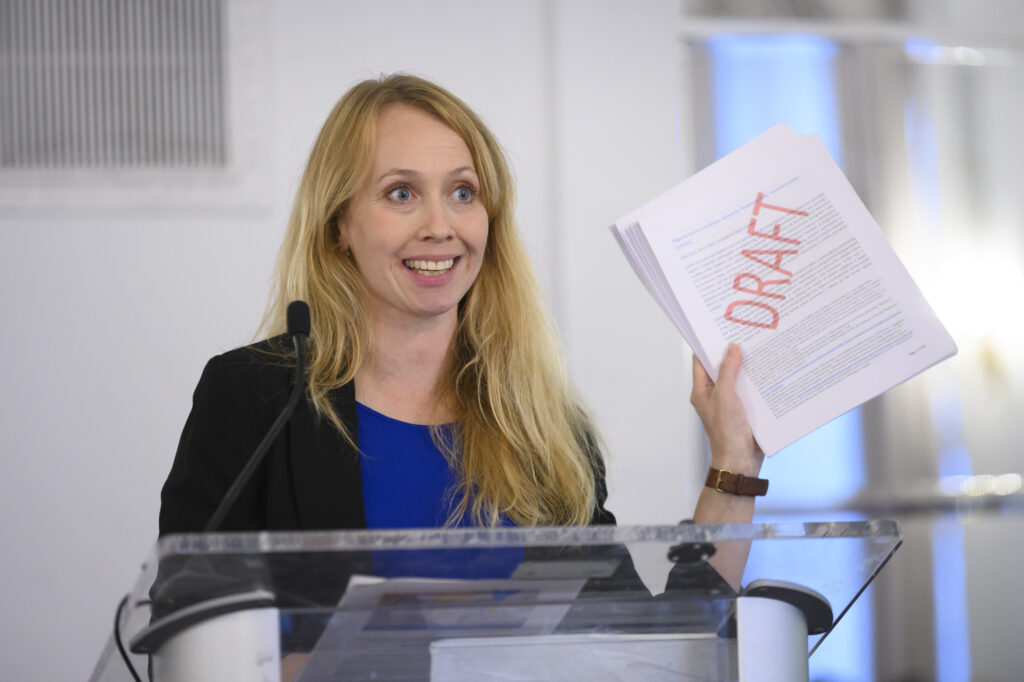
Johanna Poutanen, Head of Women in Peacemaking team, at the meeting of Global Alliance of Regional Women Mediator Networks in 2019. Photo: Howard Heyman.
Gender equality and inclusivity have always been the core operating principles for the organisation and in 2014, CMI established its Gender and Inclusion team, later renamed Women in Peacemaking. CMI emphasizes the indispensable role of women in building and sustaining peace and works to expand opportunities for women to participate meaningfully in peace processes.
CMI has been an early innovator in using technology to support inclusive peace mediation, and the creation of the Methods & Tools team in 2014 formalized this work into a dedicated effort for developing practical solutions.
CMI also began working in Libya, supporting the country’s inclusive and peaceful transition process. CMI facilitated national and local-level dialogue among key stakeholders, including political parties, civil society organisations, and tribal entities, to jointly address the root causes of tension and conflict.
Early in the year, CMI was granted a programme partnership with the Ministry for Foreign Affairs of Finland, strengthening its institutional foundation and long-term planning.
In Ukraine, CMI began facilitating high-level expert dialogue between political representatives and other influential public figures, contributing to efforts to manage the country’s political situation.
CMI also supported the Economic Community of Central African States (ECCAS) in responding to the crisis in the Central African Republic, providing mediation expertise through capacity building, logistical support, and human resources.
In the Great Lakes region, CMI began supporting peace efforts by creating informal platforms for dialogue. Since then, CMI has facilitated trust-building and informal internal dialogue between key Burundian actors, contributing to long-term conflict prevention.
2015 – Supporting Peace in South Sudan and Navigating Challenges
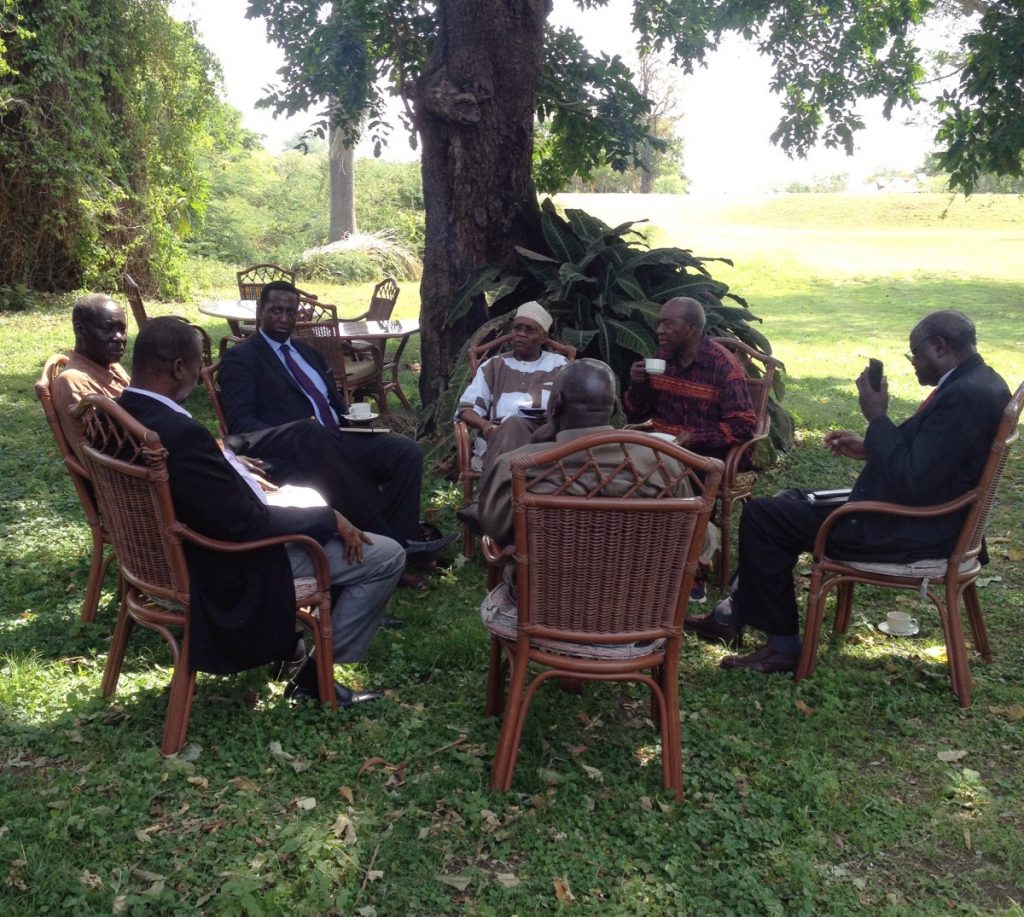
One of the meetings during the dialogue process in Arusha, Tanzania.
From autumn 2014 to January 2015, CMI supported dialogue among the three groupings within South Sudan’s ruling party, the Sudan People’s Liberation Movement (SPLM). The process culminated in January with the signing of an agreement in Arusha, Tanzania, where the principal SPLM leaders committed to reunifying the party. The agreement addressed key political, organisational, and leadership issues, offering a roadmap for reconciliation and unity.
In autumn 2015, CMI faced significant financial challenges due to development aid cuts imposed by the new Finnish government. The cuts took effect at the start of 2016 and required the organisation to implement savings measures, including staff reductions, scaling down projects, and reducing overhead costs. Despite these constraints, CMI remained committed to its mission and continued its work in conflict resolution.
2016 – Supporting National Reconciliation and Regional Dialogue
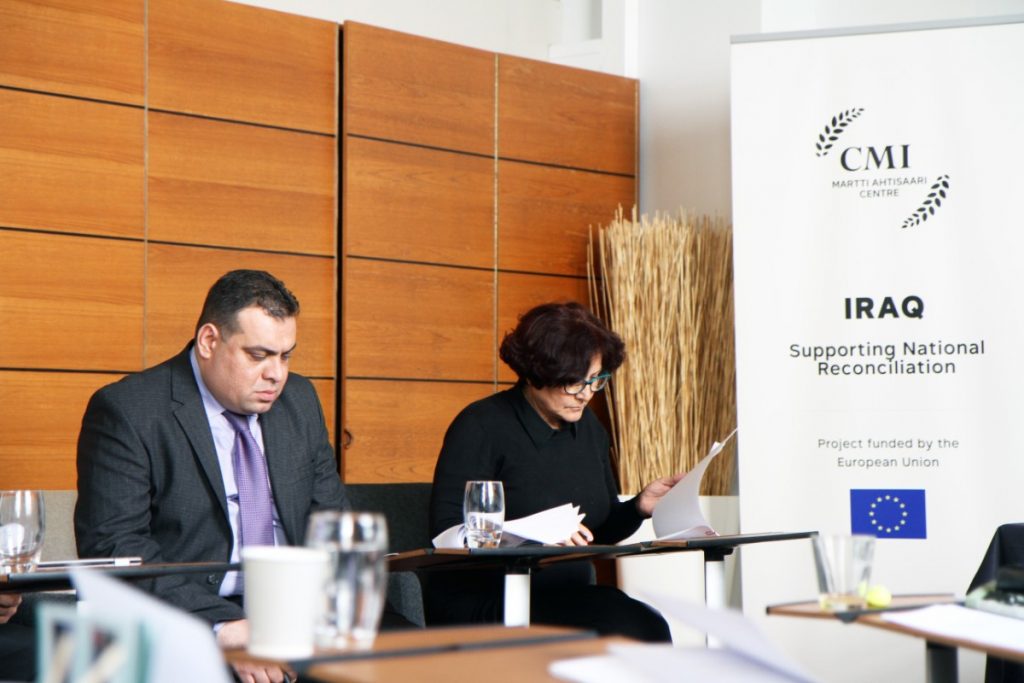
In 2016, CMI invited a group of Iraqis to Helsinki to discuss Iraq’s future and to contribute to develop ideas for a common vision for the country.
In 2016, CMI actively supported the drafting of Iraq’s National Reconciliation Strategy Draft Document. For the first time since the fall of Saddam Hussein’s regime in 2003, Iraqis themselves began shaping a united vision for their country, a significant milestone in locally driven peacebuilding.
CMI also deepened its engagement in Burundi, supporting the formal East African Community (EAC)-led Inter-Burundi Dialogue under the facilitation of President Benjamin Mkapa. Complementing the official process, CMI worked to maintain open channels of communication between principal Burundian parties and coordinated closely with key stakeholders to support inclusive dialogue.
2017 – A Nation’s Gift and a Continental Network
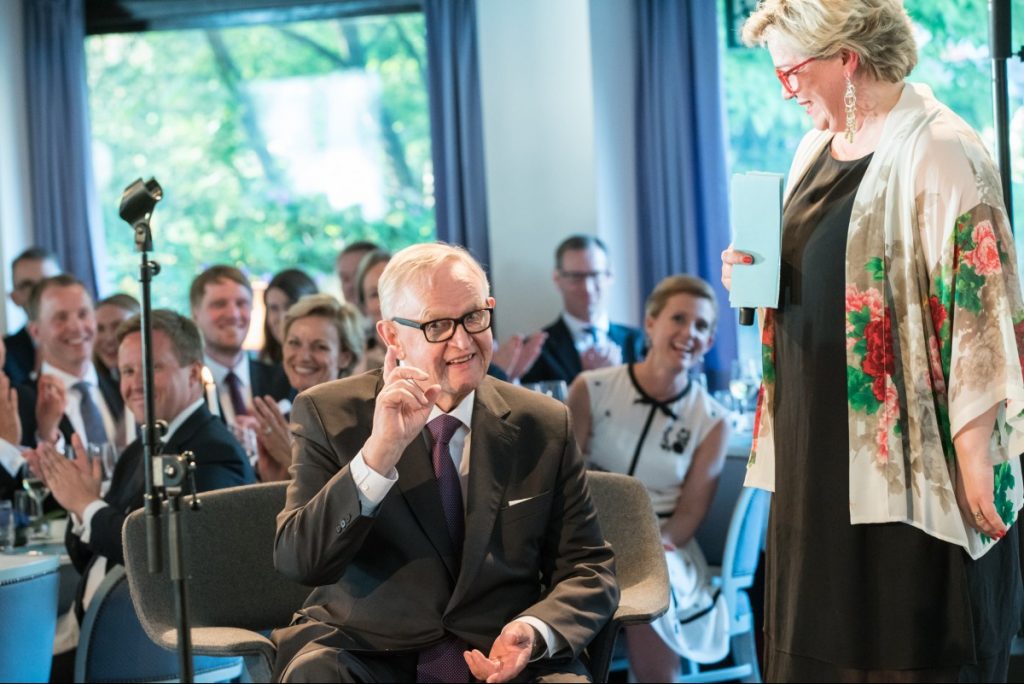
The secret gift was revealed to President Ahtisaari during a celebration to honour his 80th birthday.
In 2017, the ‘Don’t Tell Martti’ campaign, launched to celebrate President Martti Ahtisaari’s 80th birthday, raised over €600,000 for CMI’s conflict resolution work. Ahtisaari expressed deep gratitude for the gesture, noting that the campaign reflected a powerful message: building peace is everyone’s business in Finland.
That same year, CMI supported the creation of FemWise-Africa, the Network of African Women in Conflict Prevention and Mediation. This initiative aims to strengthen the role of African women in peace processes and institutionalise their participation in conflict prevention and resolution across the continent.
2018 – A Year of Renewal and Innovation
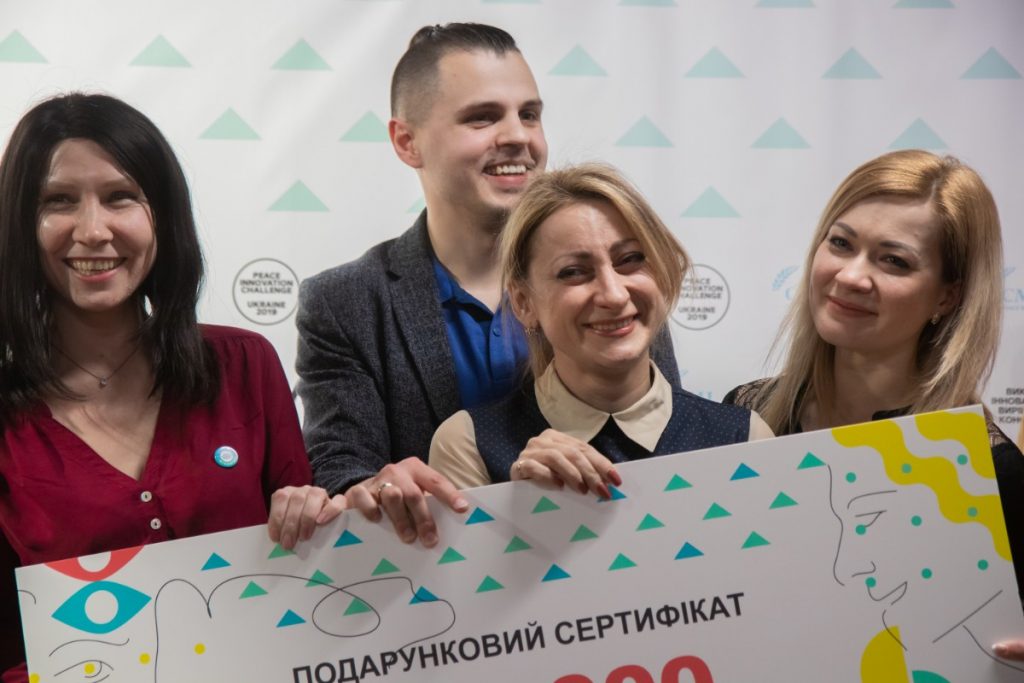
The winners of Peace Innovation Challenge Ukraine.
In 2018, CMI launched the Peace Innovation Challenge, engaging young changemakers in Palestine and Ukraine to develop creative solutions for peacebuilding.
Former Finnish Prime Minister Alexander Stubb became the new Chair of CMI’s Board, following President Martti Ahtisaari’s departure after nearly two decades of leadership since founding the organisation. President Ahtisaari continued to support CMI in an advisory role.
The year also marked the 10th anniversary of Ahtisaari’s Nobel Peace Prize, a milestone that underscored his enduring legacy in international peace mediation.
In West Africa, CMI and the Economic Community of West African States (ECOWAS) jointly developed Mediation Guidelines to strengthen regional conflict resolution efforts.
CMI also facilitated a high-level mediation retreat in the context of the Geneva International Discussions (GID), bringing together mediators and leadership from the UN, OSCE, and EU to address the consequences of the 2008 war in Georgia. Both President Ahtisaari and Chair Stubb contributed to the retreat.
2019 – Deepening Partnerships and Expanding Presence
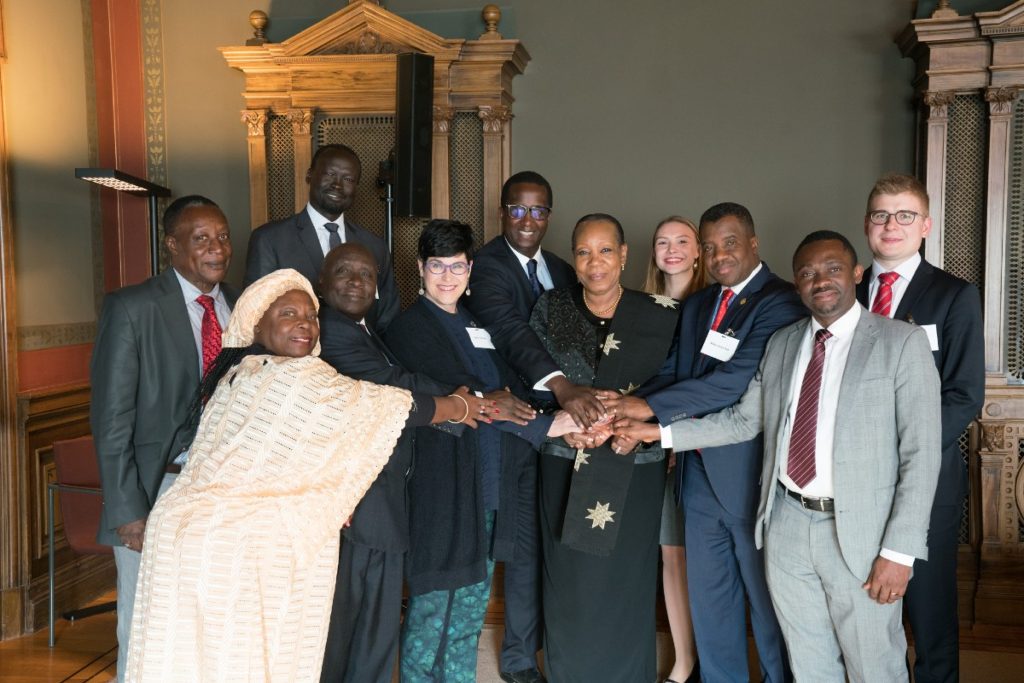
CMI works with the AU and African Regional Economic Communities to foster regional collaboration in the field of peace and security. Photo taken at the National Dialogues Conference in Helsinki, April 2017.
2019 marked a decade of close cooperation between CMI and the African Union, one of CMI’s longest-standing and most trusted partnerships.
CMI also expanded its global footprint by establishing its first regional team for Asia. While the organisation has a long history of engagement in the region, this move formalised its presence and strengthened its work, particularly in Myanmar, where CMI supported the development of a ceasefire monitoring mechanism.
2020 – Twenty Years of Crafting Peace
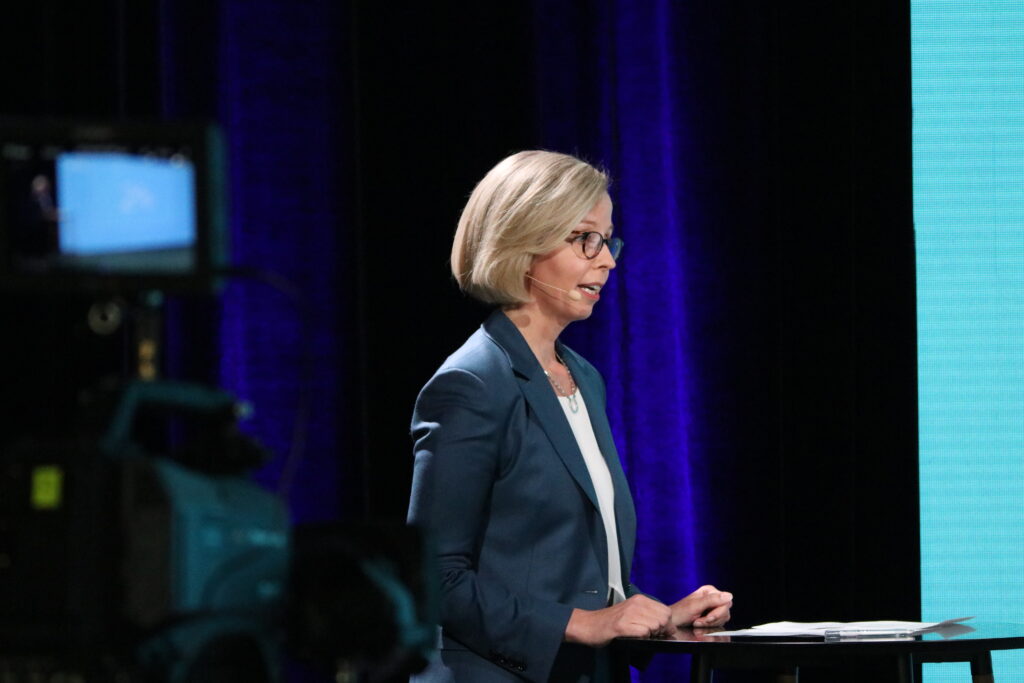
Following the passing of CMI’s CEO Tuija Talvitie, Hanna Klinge resumed the duties as Acting Executive Director.
CMI celebrated its 20th anniversary, marking two decades of growth into one of the leading organisations in the field of peace mediation.
The organisation launched a new strategy, Mastering the Craft of Peace, which set a clear direction for responding to future challenges while staying true to CMI’s core belief: all conflicts can be resolved.
Despite the global disruption caused by the Covid-19 pandemic, CMI adapted swiftly. Peace mediation shifted into the virtual sphere, and CMI provided leadership by developing digital solutions and creating safe physical spaces to continue convening conflict parties. In 2020, CMI launched its Digital Peacemaking project that became a strategic focus, recognising the growing role of digital technologies in inclusive peace processes.
In early 2020, following the passing of CEO Tuija Talvitie, Hanna Klinge resumed the duties as Acting Executive Director until a new CEO was appointed.
2021 – A New Chapter Begins
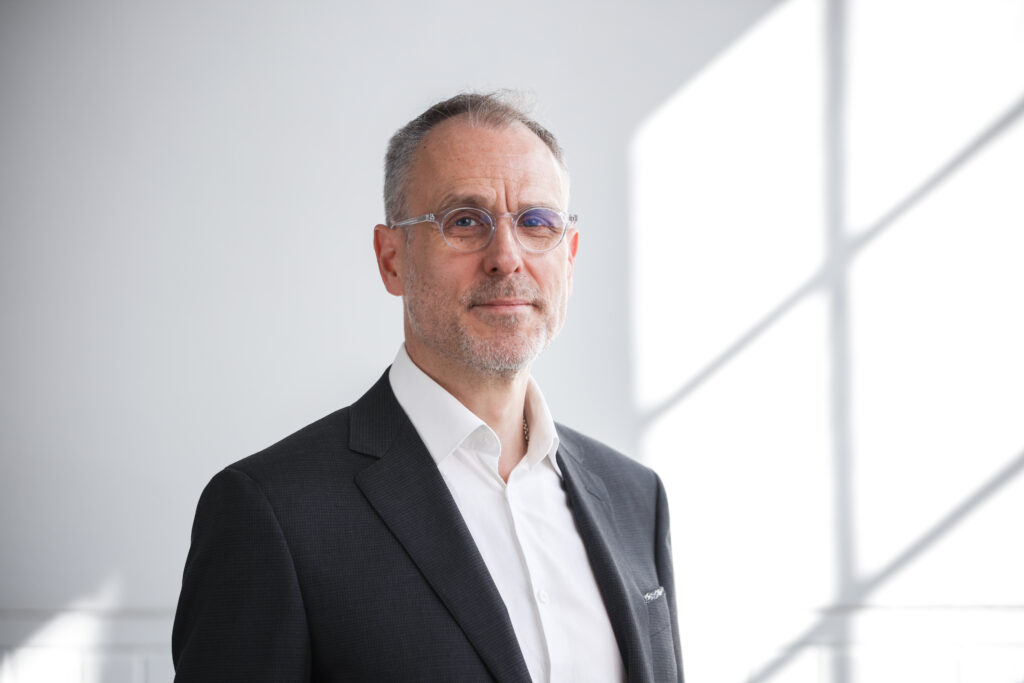
Ambassador Janne Taalas was appointed as CMI’s CEO in 2021. Photo: Olli Puumalainen
2021 marked a historic transformation for CMI. In May, the organisation formerly known as Crisis Management Initiative transitioned from an association to CMI – Martti Ahtisaari Peace Foundation, with Ambassador Janne Taalas appointed as its first CEO. This shift, along with the new strategy extending to 2030, strengthened CMI’s capacity to address future conflicts.
The Covid-19 pandemic continued to shape peace mediation work with virtual mediation becoming a well-honed practice, enhancing CMI’s ability to operate effectively in a changing world.
As war re-emerged on the global agenda, driven by shifting geopolitics and technological change, demand for CMI’s services surged to record levels. The organisation reaffirmed its commitment to guiding conflict parties from battlefields back to the negotiating table.
2022 – Safeguarding the space for peacemaking
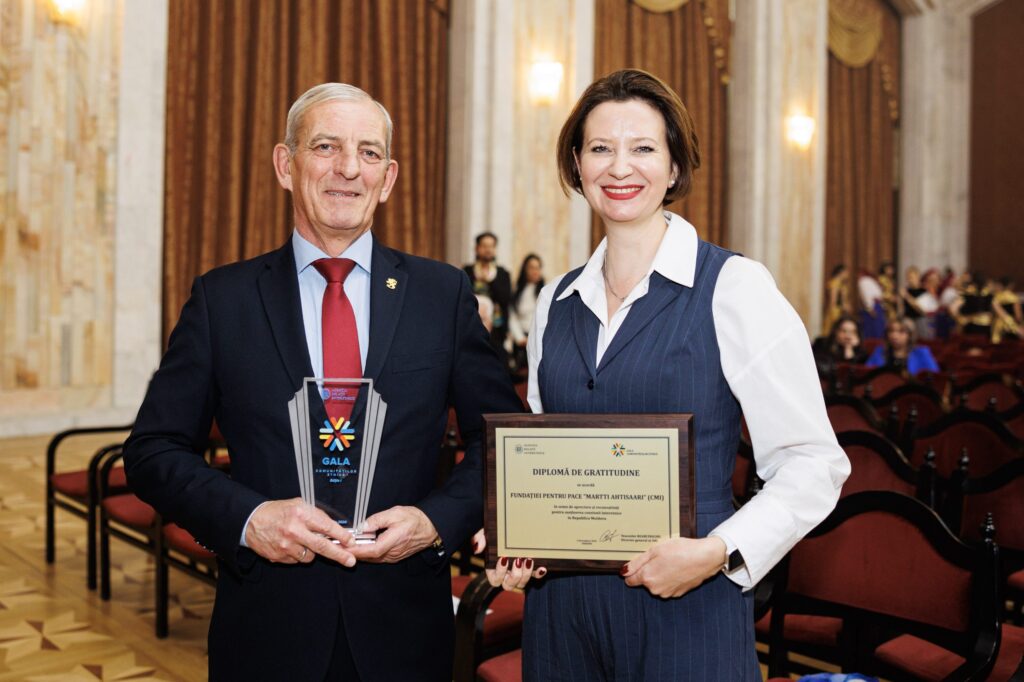
CMI was awarded for its contribution to promoting interethnic dialogue and social cohesion in the Republic of Moldova at the Ethnic Communities Gala.
The year 2022 was marked by seismic shifts in global peace and security. Russia’s invasion of Ukraine on 24 February became a defining moment, deepening geopolitical divides and challenging the role of multilateral institutions. CMI received a record request for support, reflecting the rising demand for flexible and trusted conflict resolution mechanisms.
CMI adapted its work in Ukraine to support resilience and social cohesion, reaching vulnerable communities including internally displaced persons. CMI also maintained its engagement in the wider region, including Gagauzia and the Transnistrian Settlement Process in Moldova. Despite the global challenges, progress was seen elsewhere.
In Yemen, CMI supported inclusive dialogue among political parties, tribes, and civil society groups, contributing to a ceasefire that held from April onwards. CMI’s efforts in the Horn of Africa supported mediation infrastructure, communications, and coordination among key stakeholders in the region and ensured the availability of technical and advisory support to key actors, including the African Union.
In December 2022, CMI’s Board of Directors established the Martti Ahtisaari Peace Fund, aiming to raise €30 million to strengthen rapid response capacity, bridge-funding, and organisational development, in line with the CMI Strategy 2030.
2023 – Advancing Peace in Challenging Circumstances

Photo: Pekka Ala-Pietilä
2023 will be remembered for the passing of CMI’s founder, President and Nobel Peace Prize laureate Martti Ahtisaari (1937–2023). His legacy continues to guide CMI’s work in promoting peace through dialogue, especially in an increasingly unstable world.
The year was shaped by ongoing geopolitical tensions and devastating conflicts in Ukraine, Gaza, and Sudan, which displaced millions and strained international diplomacy. As the space for official diplomacy diminished, the role of independent mediators like CMI became more vital.
CMI received 99 requests for new or expanded cooperation, CMI received 99 requests for new or expanded cooperation, reflecting continued demand towards CMI’s services. CMI’s trusted role enabled it to engage also those actors shunned by the international community.
In 2023, CMI was involved in 16 peace processes in 20 countries or regions and supported 16 established dialogue platforms, and deepened cooperation with the expansive range of currently active mediation actors, including in the Middle East and China.
2024 – Contributions to Peace in the Most Challenging Environments
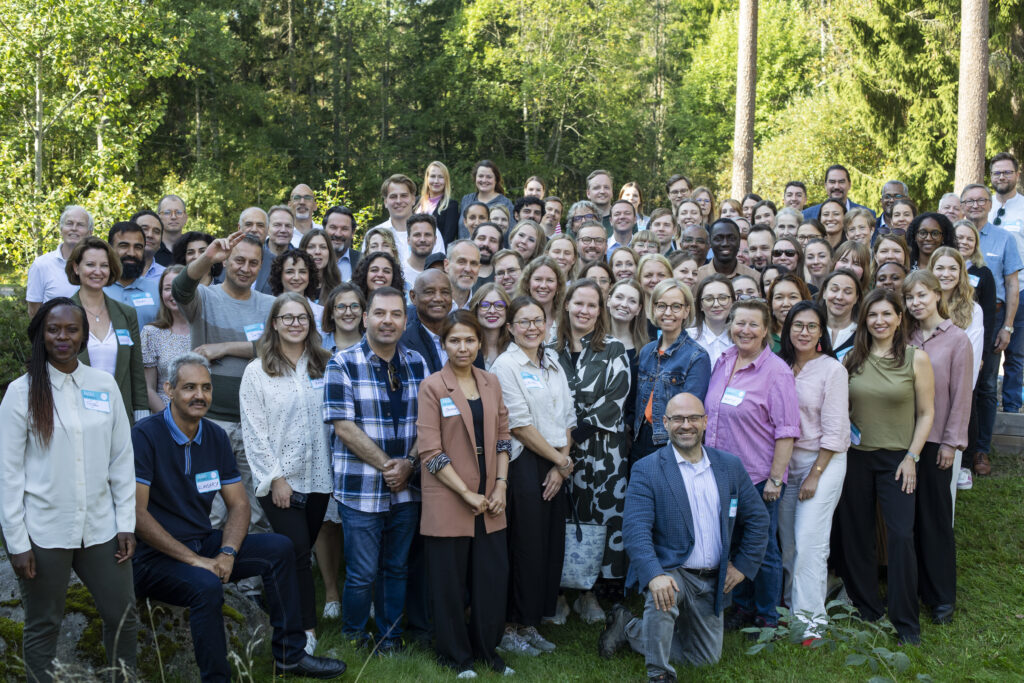
At the end of 2024, CMI had 87 employees while engaging with about 100 long- and short-term consultants throughout the year.
In 2024, the European Union became CMI’s largest funder, reflecting the growing strategic relevance of the organisation’s efforts in Europe’s peace and security landscape.
Technology, especially artificial intelligence, emerged as a key theme, with several projects integrating digital tools into peacebuilding efforts.
CMI operated in more regions than ever before, responding to increasing global demand for its role as an independent, non-state actor.
‘Youth in Peacemaking’ was elevated to a strategic priority, joining Women and Digital Peacemaking as pillars of CMI’s 2030 Strategy.
Marko Ahtisaari was elected as the Chair of the Board following Alexander Stubb’s election as the President of the Republic of Finland.
At the end of 2024 CMI had 87 employees, representing diverse nationalities from across continents. Throughout 2024, CMI engaged with a variable number of long- and short-term consultants, totalling just over 100 at any given point during the year.
2025 – Rebooting Peace and Creating Space for Dialogue
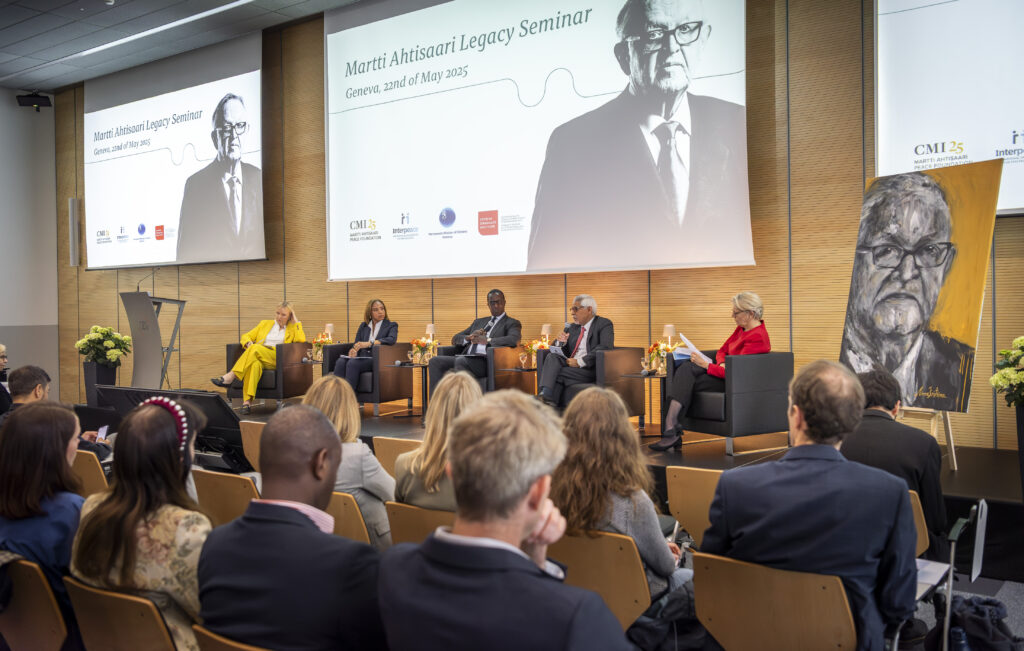
Martti Ahtisaari Legacy Seminar in Geneva. Photo: Kaapo Haapanen
In the spirit of dialogue, CMI launched a global series of Martti Ahtisaari Legacy Seminars in 2024 to mark the 25 years since its founding. Held in partnership with local and international actors across eight cities on several continents, with six of the eight events taking place in 2025, these high-level gatherings have created spaces for honest and inclusive conversations on the future of peace mediation in a rapidly changing world. The anniversary year culminates in December 2025, marking CMI’s 25-year journey and a call to reboot peacemaking for a changed world.

