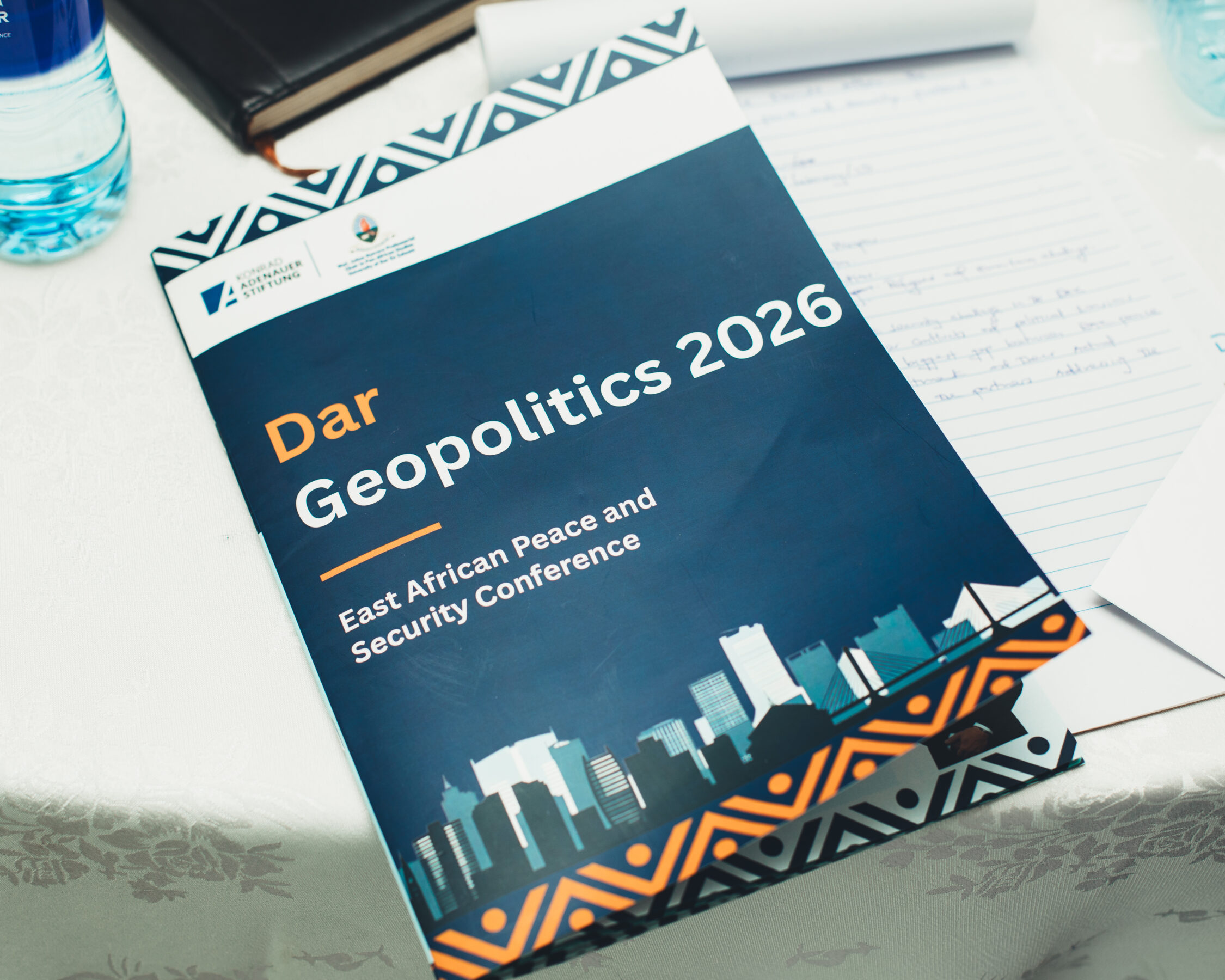
As geopolitical competition increasingly shapes conflicts and peace mediation, peacemaking is taking place in a more fragmented and competitive environment. At Dar Geopolitics 2026, experts discussed what these changes mean for East Africa and the Great Lakes region, and what is needed to build more connected, inclusive and sustainable peace processes.
The use of force has returned to the centre of international politics. Geopolitical competition increasingly shapes conflicts, and the multilateral system is under growing pressure. Peace mediation itself is also becoming more fragmented as states, regional organisations, middle powers and other actors are pursuing parallel diplomatic initiatives.
These global shifts have particular significance for East Africa and the Great Lakes region. Conflicts increasingly transcend national borders, connecting local armed groups, national governance challenges, regional security interests and international geopolitical competition. At the same time, competition over natural resources, critical minerals, infrastructure and trade is becoming deeply intertwined with conflict dynamics.
As part of Dar Geopolitics 2026 organised by Konrad-Adenauer-Stiftung (KAS) and the Mwalimu Nyerere Professoriar Chair in Pan-African Studies of the University of Dar es Salaam, CMI contributed a panel discussion titled The Power Politics of Peace: Geopolitics, Conflict and Mediation in East Africa. Held in Dar es Salaam on 20 November, the panel brought together regional experts and practitioners to examine how geopolitical competition is affecting peace and security in the region.
Moderated by CMI’s Head of Sub-Saharan Africa programme, Tiina Kukkamaa-Bah, the discussion explored the increasingly regional nature of conflicts, the growing number of mediation actors and the intersection of political and economic interests. It also considered how high-level diplomatic processes can be better connected with peacebuilding on the ground.
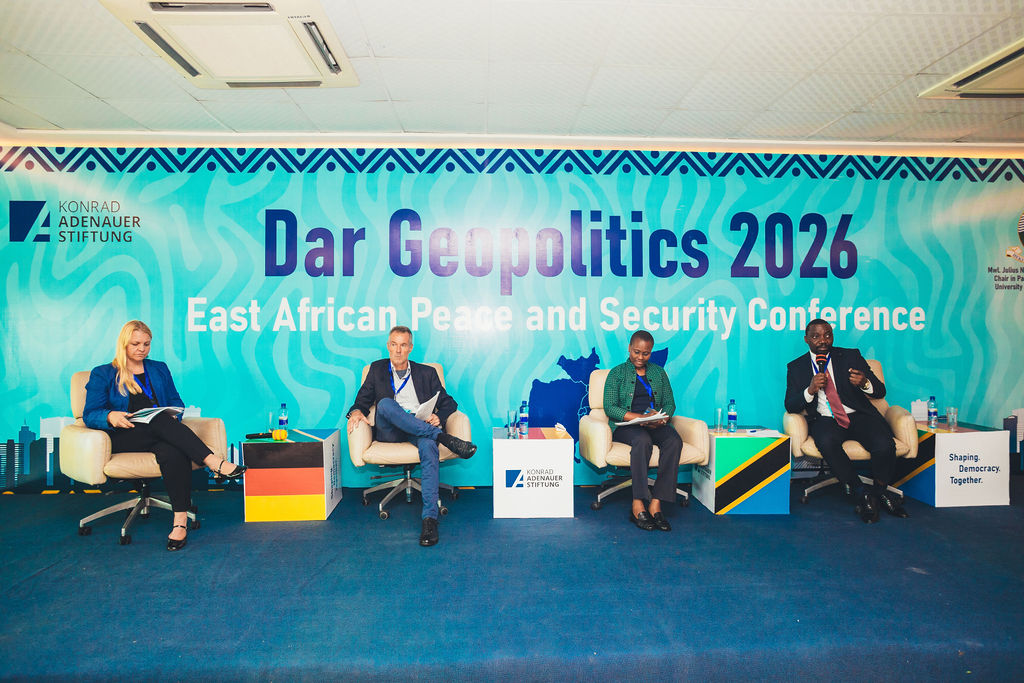
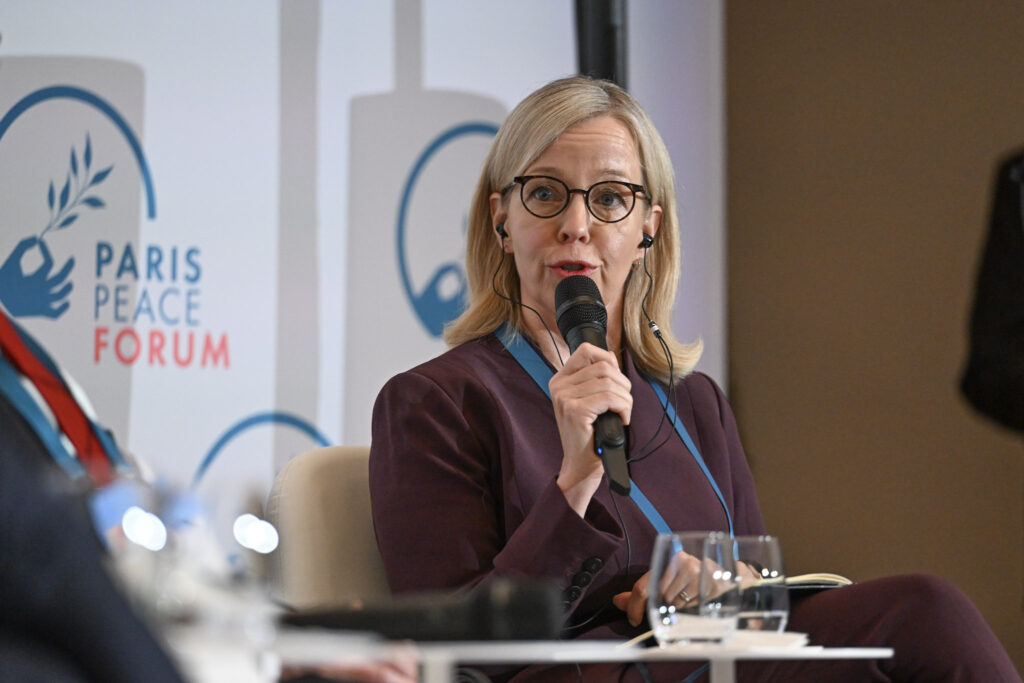
The panel, moderated by Tiina Kukkamaa-Bah (left) discussed how conflicts increasingly transcend national borders, connecting local, national, regional and international dynamics. The panellists from left to right: Dr Christian Manahl, Dr Lucy Shule and Vianney Bisimwa. Photo: Konrad-Adenauer-Stiftung
Peacemaking in a more fragmented landscape
Conflicts in East Africa are becoming increasingly regional and interconnected, making them more difficult to contain and resolve. Climate change, drought and high youth unemployment are adding to these pressures.
The panellists stressed the need for greater investment in preventive diplomacy and foresight: anticipating and addressing security threats before they escalate, rather than relying on reactive crisis management.
At the same time, the mediation landscape is becoming increasingly crowded. Political, security and commercial interests often overlap, and the growing number of mediators does not necessarily lead to better peace outcomes. Some initiatives risk becoming vehicles for elite power-sharing and economic deals rather than transformative political processes.
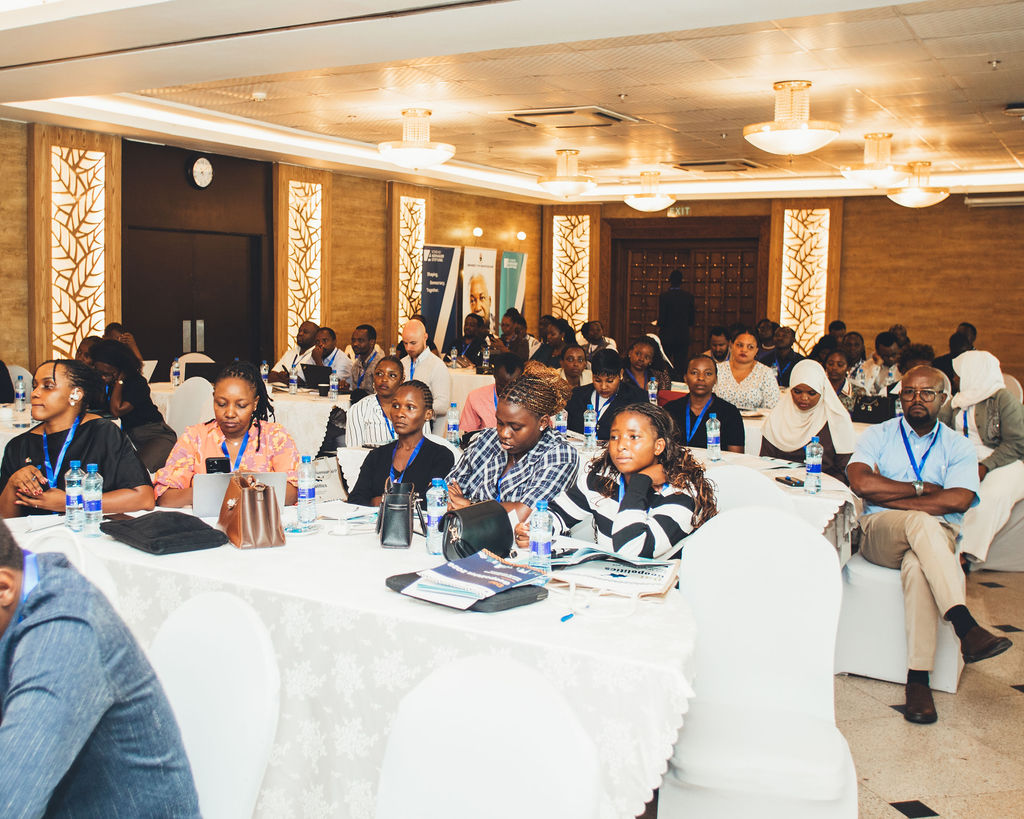
Preventive diplomacy requires greater foresight: anticipating and addressing security threats before they escalate, rather than reacting once conflicts have already erupted. Photo: Konrad-Adenauer-Stiftung
Connecting diplomatic deals with sustainable peace
High-level diplomatic engagement can help stop escalation and create openings for dialogue. But agreements between elites do not automatically translate into sustainable peace.
Peace efforts cannot succeed if they focus primarily on political and military elites. Civil society, women, youth and affected communities more broadly need meaningful opportunities to influence peace processes. Citizen diplomacy can help bring their priorities into peace processes and connect high-level mediation with peacebuilding on the ground.
Trust is also central. Conflict parties must believe that a mediator is independent, credible and capable of helping them address their concerns. Overlapping political, diplomatic and commercial interests can further undermine confidence in mediation. External engagement can be tied to sanctions, weapons, mining or infrastructure agreements.
Trust is fundamental to mediation. High-level agreements must also be connected with local communities if they are to create meaningful peace on the ground.
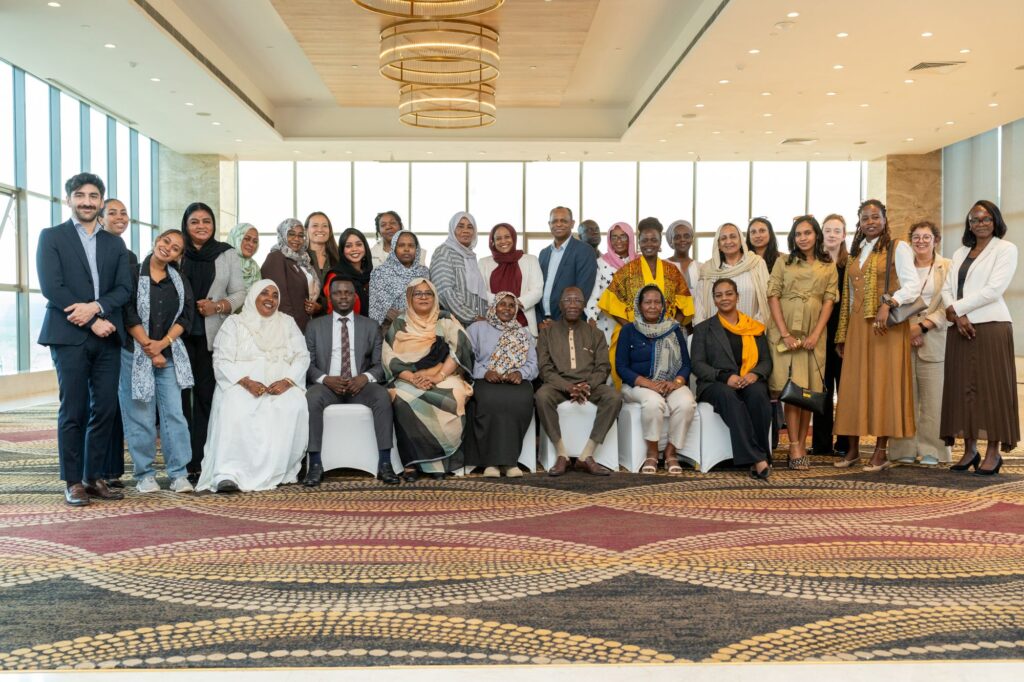
The event brought together political, civil society and private sector actors as well as the academia to discuss the current geopolitical trends in East Africa and the Great Lakes Region. Photo: Konrad-Adenauer-Stiftung
What does peacemaking need now?
The discussion identified several priorities for more effective peacemaking in East Africa and the Great Lakes region, many of which are also relevant to peace mediation globally.
- The regionalisation of conflicts requires more coordinated responses. Local armed groups, governance challenges, regional security interests and international competition are closely connected. Mediation efforts need to recognise and address these links.
- Regional actors need to strengthen preventive diplomacy. Greater foresight can help them identify emerging security threats and act before a crisis escalates.
- Mediation needs independent and credible leadership. Strong leadership, integrity and the ability to provide direction are essential. So is humility. Mediators must recognise that they may not understand a conflict as well as the parties and communities living through it.
- Peace agreements must serve society as a whole. They need to account for victims, affected communities, human rights, peace and security, rather than only the interests of wealthy or politically powerful groups.
- Multilateralism remains important. Despite the fragmentation of the international system, most states endorse the UN Charter and the core norms of international law . They have an important role in supporting independent, credible and inclusive approaches to peacemaking. Tanzania will play a key role when it chairs the African Union in 2028 and seeks a seat on the UN Security Council in 2029.
- Peace requires more than an agreement. Mediation cannot resolve every dimension of a conflict. Sustainable peace also requires political will, trust, reconciliation, healing and sustained engagement.
Peace cannot be imposed. Even a carefully designed process will fail if the parties are not genuinely willing to negotiate and implement what they agree. But when there is political commitment, mediation can help create a path away from violence and towards more sustainable peace.
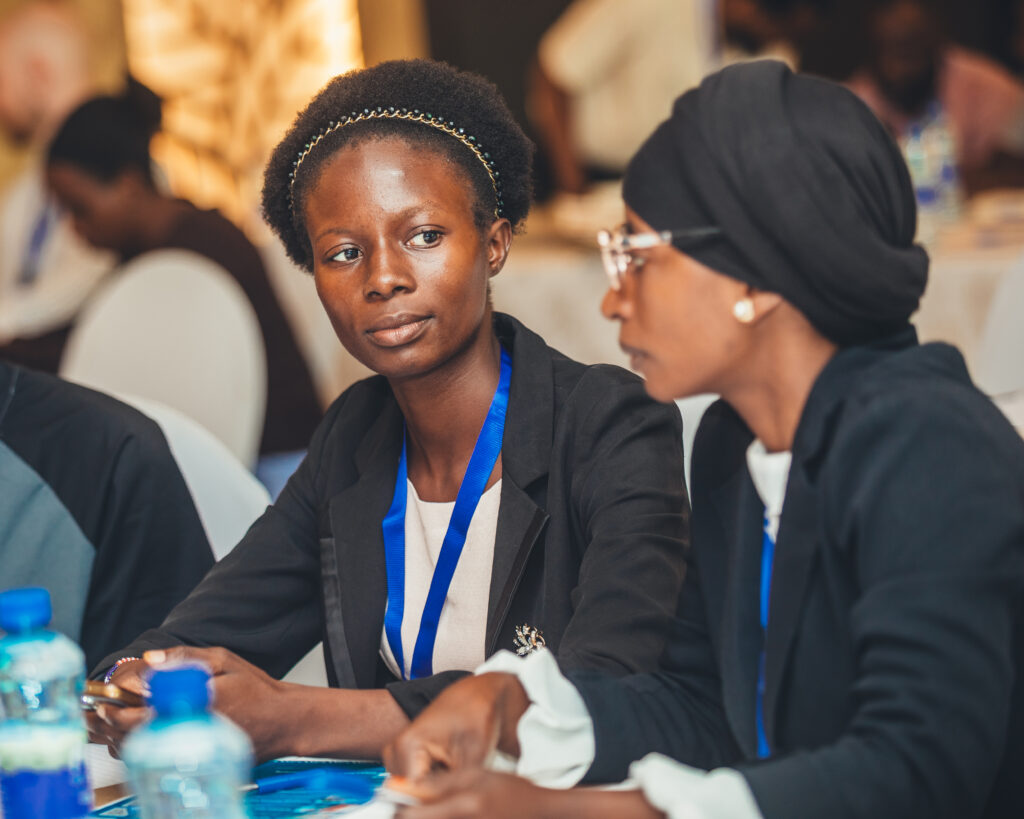
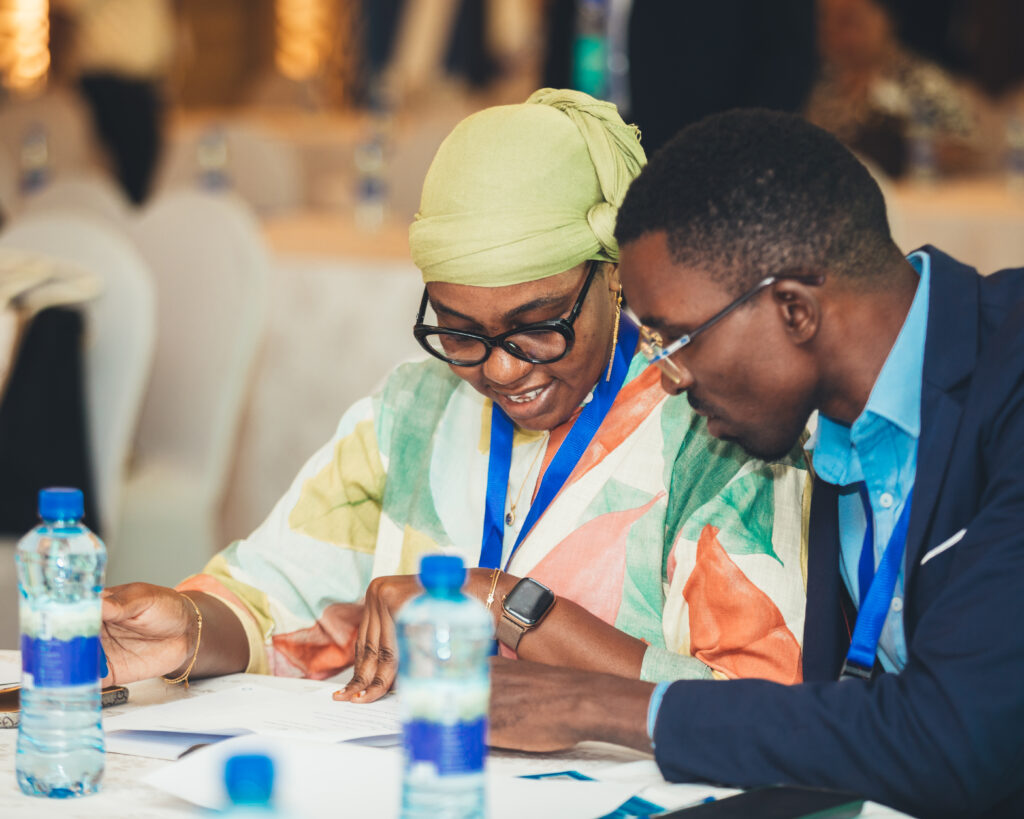
Effective peacemaking requires trust, political will and meaningful participation by people affected by conflict. Photo: Konrad-Adenauer-Stiftung
The panel formed part of the Dar Geopolitics 2026 – East African Peace and Security Conference. It was organised in cooperation with CMI – Martti Ahtisaari Peace Foundation, Mwalimu Nyerere Professoriar Chair in Pan-African Studies of the University of Dar es Salaam and the Konrad-Adenauer-Stiftung (KAS).
The discussion was moderated by Tiina Kukkamaa-Bah, CMI’s Head of Sub-Saharan Africa programme. The panellists were Dr Lucy Shule, Lecturer, Centre for Foreign Relations, and Director of Studies, National Defence College, Dr Christian Manahl, Former UN DSRSG for Somalia, Former EU Ambassador & Member of the EU Mediators Roster, and Vianney Bizimwa, Director, Africa, Center for Civilians in Conflict (CIVIC).
The event formed part of CMI’s broader efforts to advance inclusive peace processes and strengthen mediation ecosystems globally, bringing together the expertise of its Sub-Saharan Africa team and Multilateral Affairs and Peacemaking Policy team.