Afghanistan
Afghanistan has witnessed over forty years of almost continuous conflict. Its root causes go back to the country’s history and geography, at the crossroads of Europe, Asia and the Middle East, and range from questions of national governance and inclusive politics to the use of natural resources as well as broader external geopolitical interests.
After twenty years of international military presence, the Islamic Republic of Afghanistan collapsed following the withdrawal of NATO forces in August 2021, marking the return to power of the Taliban movement. While creating societal uncertainty in the daily lives of all Afghans, this change in power base has affected the overall constellation of key actors, in addition to diminishing the international community’s presence in the country.
Our work
CMI’s work in Afghanistan revolves around a combination of in-country, regional and international engagement with key interlocutors interested in the stability of Afghanistan as well as improving Afghans’ daily lives.
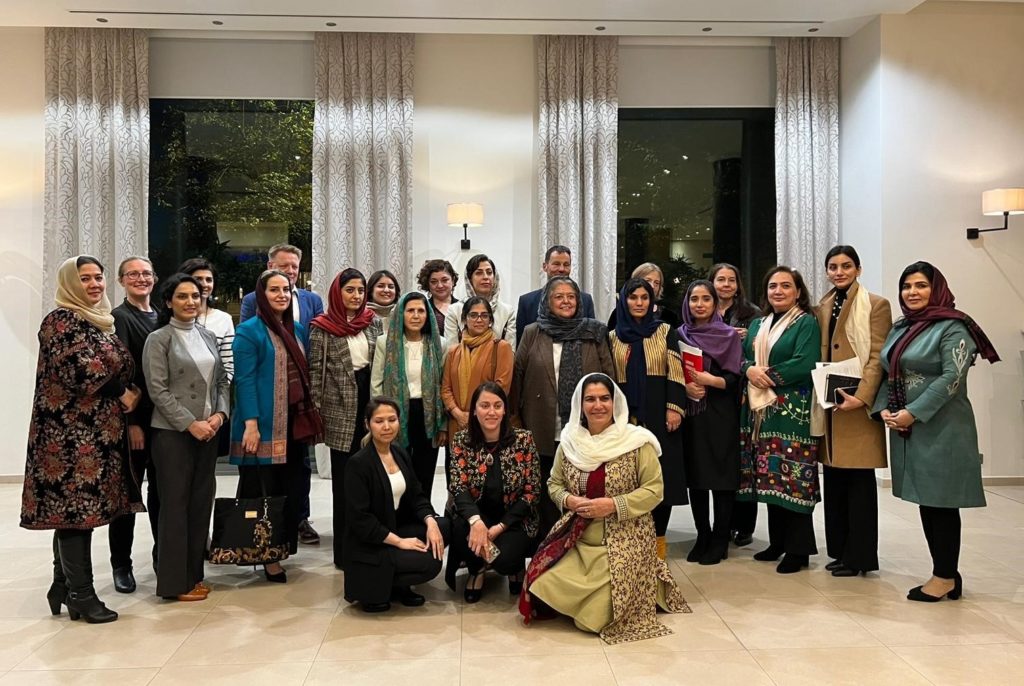
Locally, CMI nurtures relationships with a wide range of actors who constitute a constructive force in promoting societal improvements and increased stability of the country. Notably, the Afghan civil society represents a fundamental element in shaping the future of the country: with its vibrant historical role, it holds significant potential to influence various societal aspects, such as political inclusion, economic productivity, and human security. CMI actively supports dialogue efforts undertaken by Afghan private sector actors on topics related to the country’s economic stability and development.
At the regional and international levels, CMI closely follows the political and security developments in and around the country, and engages with relevant national, regional and international actors to foster cohesive cooperation on matters pertaining to the stability of Afghanistan and the sub-region.