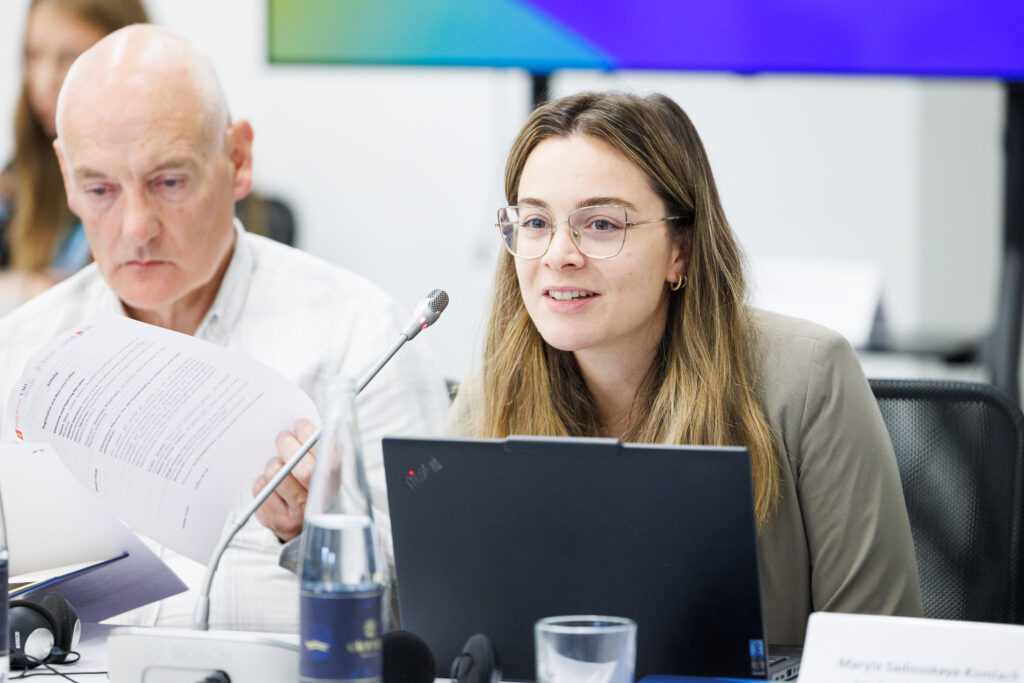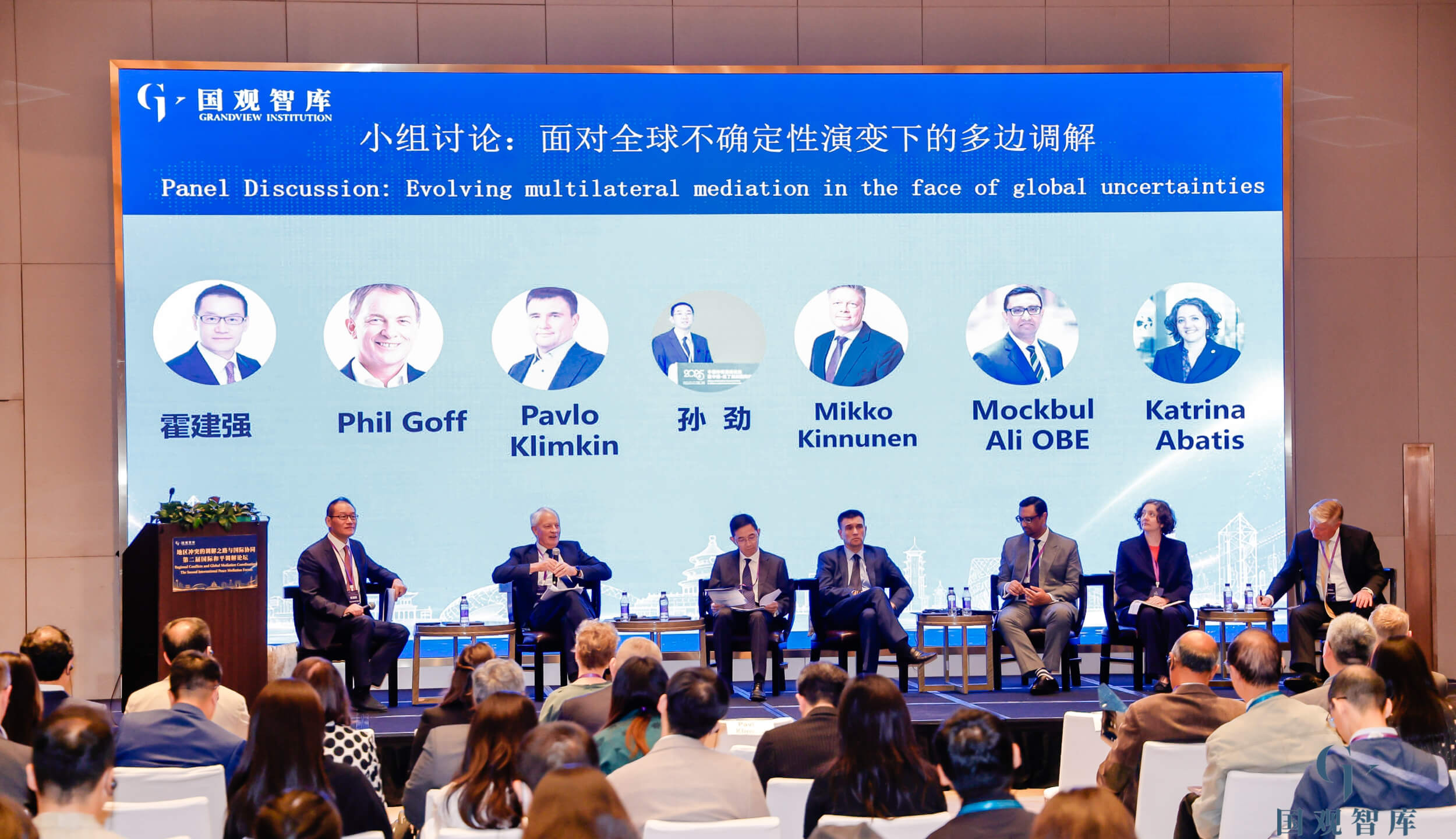
CMI – Martti Ahtisaari Peace Foundation co-organised the second International Peace Mediation Forum, held in Beijing, China, on 2–3 June 2026. The event, themed “Paths to Mediation in Regional Conflicts and International Coordination”, reflects CMI’s strategic commitment to strengthening mediation connectivity in a fragmented world, bringing together diverse actors to share experiences, build mutual understanding, and reinforce the multilateral foundations essential for effective and inclusive peace processes.
“The event in Beijing reaffirmed our conviction that building and maintaining connections in mediation across institutions, regions, and cultures is essential for navigating today’s fragmented geopolitical landscape and advancing sustainable peace. Sharing evidence-based practices, experiences, and knowledge helps build the relationships and understanding among actors in this field, where change is constant and past ways of working might no longer apply “, says Oskari Eronen, CMI’s Chief Programme Officer.
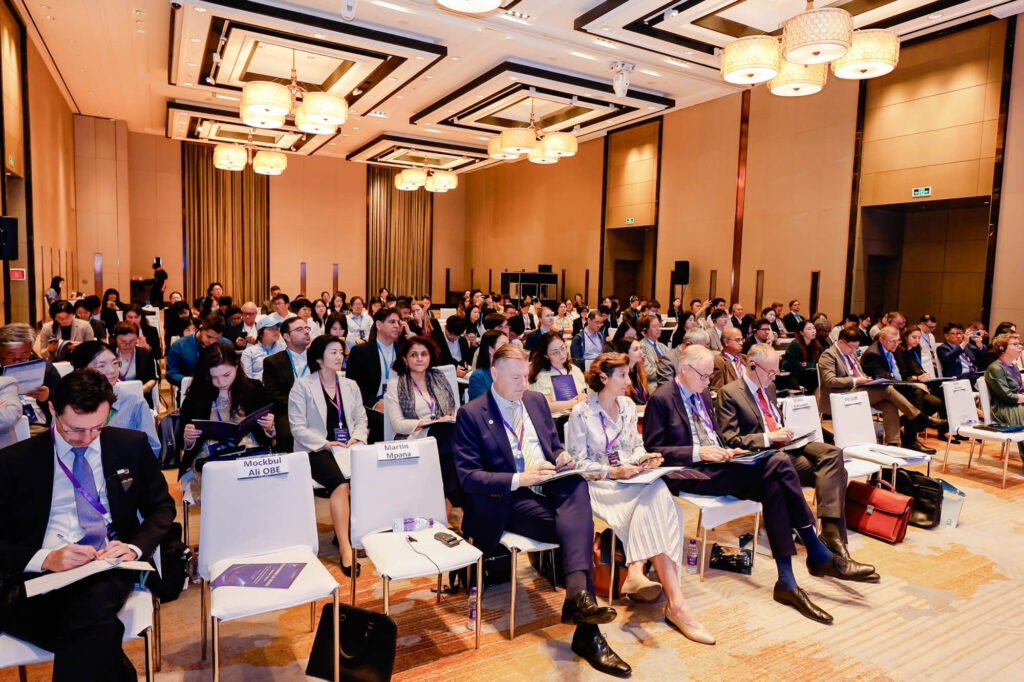
Photo: The Grandview Institute
“We firmly believe forums like these contribute to a more connected and cooperative global mediation landscape. Only by understanding each other can we work together to find the best solutions and paths toward a more peaceful future”, he continues.
The event held in Beijing, was designed to respond to the growing complexity of global conflicts. It provided the opportunity for meaningful dialogue and mutual learning across political and institutional landscapes by convening international mediation experts from Europe and the region, Chinese representatives, and scholars and practitioners from multiple countries for in-depth discussions on practical experiences in mediating conflicts and advancing sustainable peace. The forum raised a range of insights from diverse mediation contexts, highlighting both shared challenges and context-specific approaches to conflict resolution.
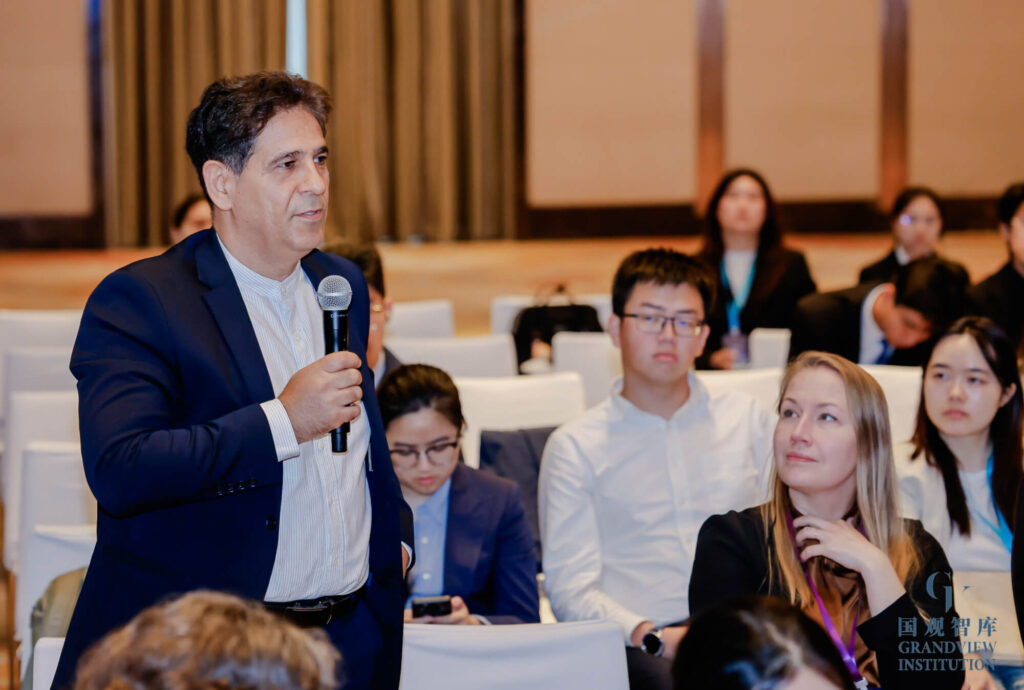
Photo: The Grandview Institute
Participants agreed that in an increasingly complex international environment, peace mediation must uphold core principles such as neutrality, fairness, and respect for the parties’ wishes, while improving coordination is more important than ever to avoid duplication and fragmentation. They also emphasised that effective cooperation in mediation does not require full alignment, but rather pragmatic, issue-based collaboration to help de-escalate conflicts and manage crises.
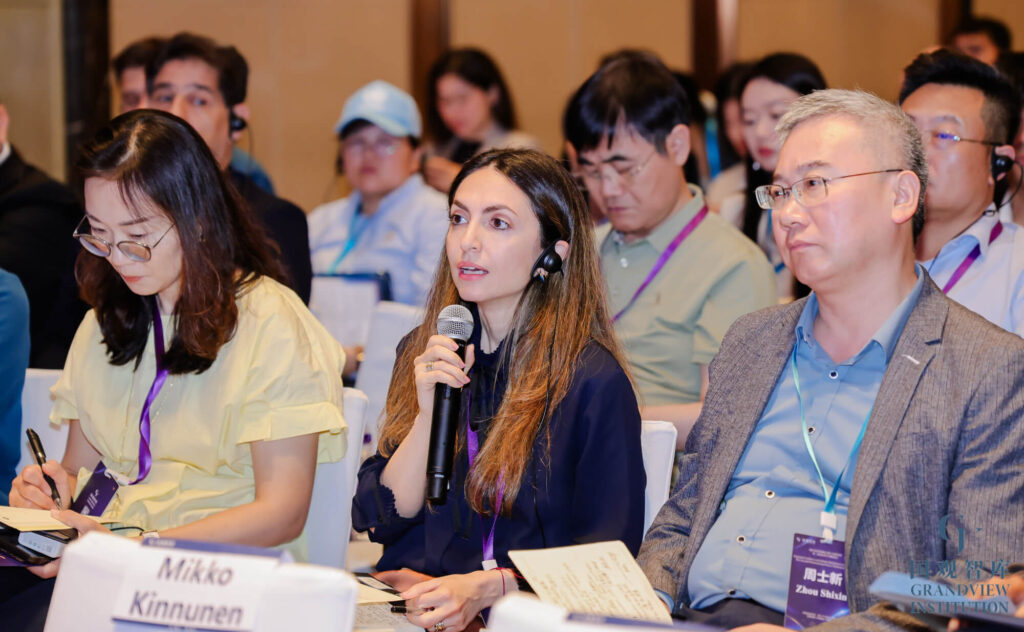
Photo: The Grandview Institution
“By coming together, we were able to strengthen communication channels between actors in peace mediation, but also to explore China’s perspectives and contributions to international conflict resolution. Our discussions highlighted the importance of continuous dialogue, the value of inclusive mediation frameworks, and the growing role of diverse actors in shaping peace processes. However, one recurring theme across all discussions was the need to strengthen ties between all peacemaking actors – it was clear that this is essential for enhancing complementarity and ensuring that peace efforts are effective and sustainable”, concludes Eronen.
The Beijing Mediation Forum 2026 was co-organised by CMI, the Grandview Institution, the International Organization for Mediation (IOMed), The Center for Basic Laws of Hong Kong and Macau Special Administrative Regions at Shenzhen University, and the Federation of Hong Kong Chiu Chow Community Organization.