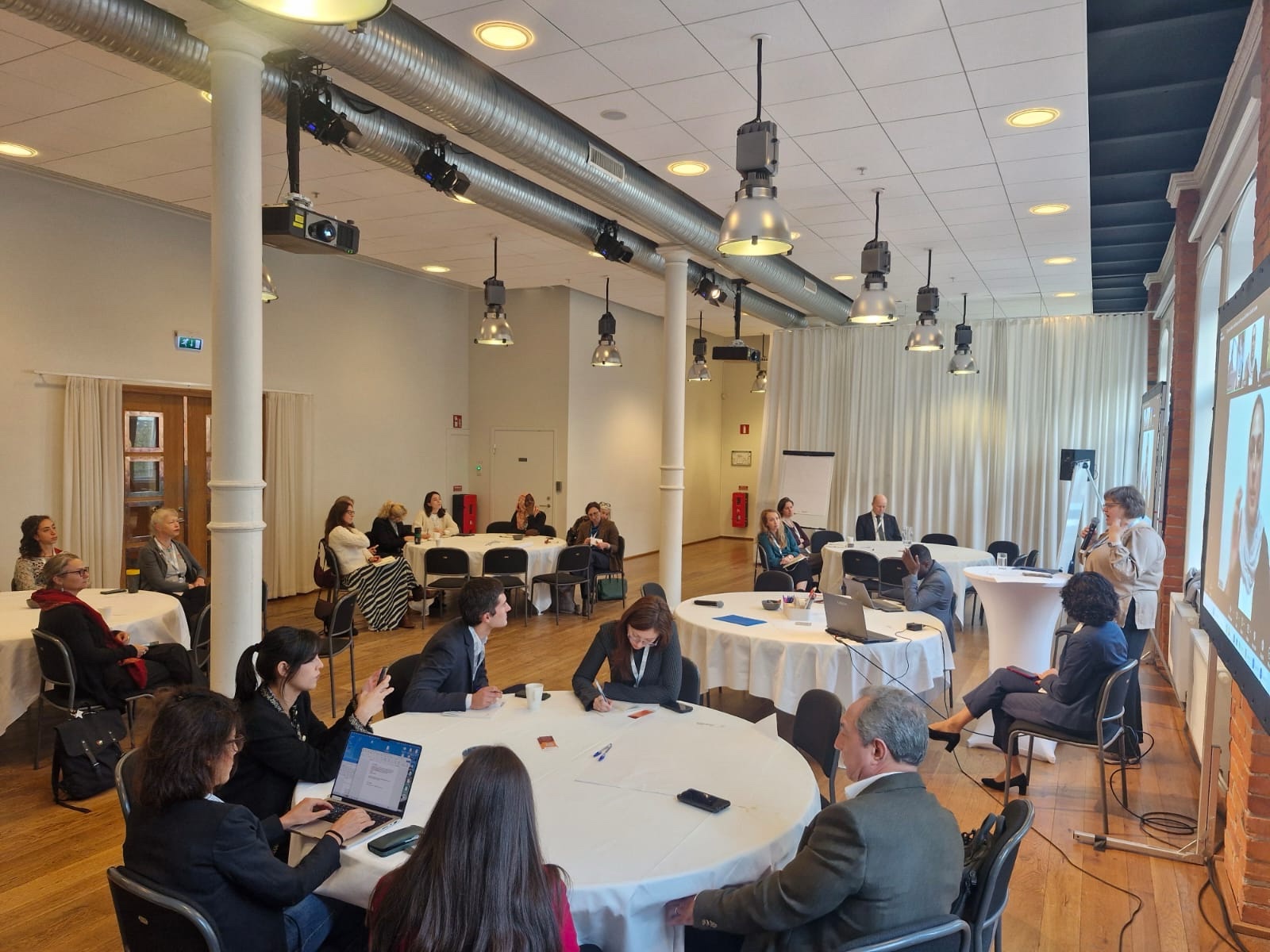
At the Stockholm Forum, a session organised by CMI and Search for Common Ground explored how mental health and psychosocial support can help young people engage in civic life and peacebuilding processes. Drawing on experiences from Mali, Palestine, and Ukraine, participants shared insights on how psychosocial support can be better integrated into peacebuilding efforts.
Young people in conflict-affected settings are often portrayed as victims, risks, or symbols of resilience. Such narratives overlook the profound psychosocial impacts of violence, displacement, and prolonged insecurity, and the ways these experiences shape young people’s participation in peacebuilding and civic life.
Today, an estimated one in four young people live in contexts affected by conflict, and many experience mental health and psychosocial distress. In countries such as Mali, Palestine, and Ukraine, young people navigate not only immediate crisis, but also the lasting effects of intergenerational trauma, social fragmentation, and mistrust. Yet peacebuilding efforts rarely address these realities in a systematic way.
Mental health and psychosocial support should be less about technical terms and more about caring for people.
Recognising and addressing psychosocial realities is essential for meaningful participation. When young people have the support they need, they are better able to engage in civic and peacebuilding processes, helping to build trust, strengthen social cohesion, and support more sustainable peace.
From recognition to action: integrating psychosocial support into peacebuilding
By bringing together practitioners, policymakers, and young people from diverse conflict contexts, the discussion highlighted practical insights for programming, funding, and policy approaches. Participants explored both the barriers that institutions and practitioners face and the opportunities to better integrate mental health and psychosocial support (MHPSS) into peacebuilding efforts involving young people.
When we label young people as heroes, we leave little room for them to feel tired, angry, or simply not okay.
Some of the key insights from the discussions were:
- Young people’s concerns go beyond survival. In conflict settings, questions of identity, belonging, and emotional expression are often just as significant as material needs. Many young people struggle with expectations about which emotions they are allowed to show and how they are perceived by those around them.
- Labels can limit participation. Framing young people solely as “victims” may reinforce exclusion and dependency, while portraying them as “heroes” can place unrealistic expectations on them to remain strong and resilient. Both narratives risk overlooking the full complexity of young people’s experiences.
- Recognition has not yet translated into practice. While MHPSS is increasingly acknowledged as an important component of peacebuilding, it is still rarely treated as a core element of programme design, implementation, and evaluation.
- Sustainable change requires long-term investment. Short-term projects focused on quick results often struggle to address the deeper psychosocial impacts of conflict. Participants emphasised the need for longer-term approaches that continue supporting young people beyond individual project cycles.
- Creative approaches can strengthen wellbeing and agency. Artistic expression and other creative methods can provide young people with meaningful ways to process experiences, build connections, and engage in civic and peacebuilding initiatives.
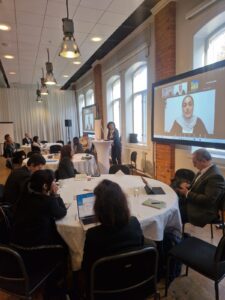
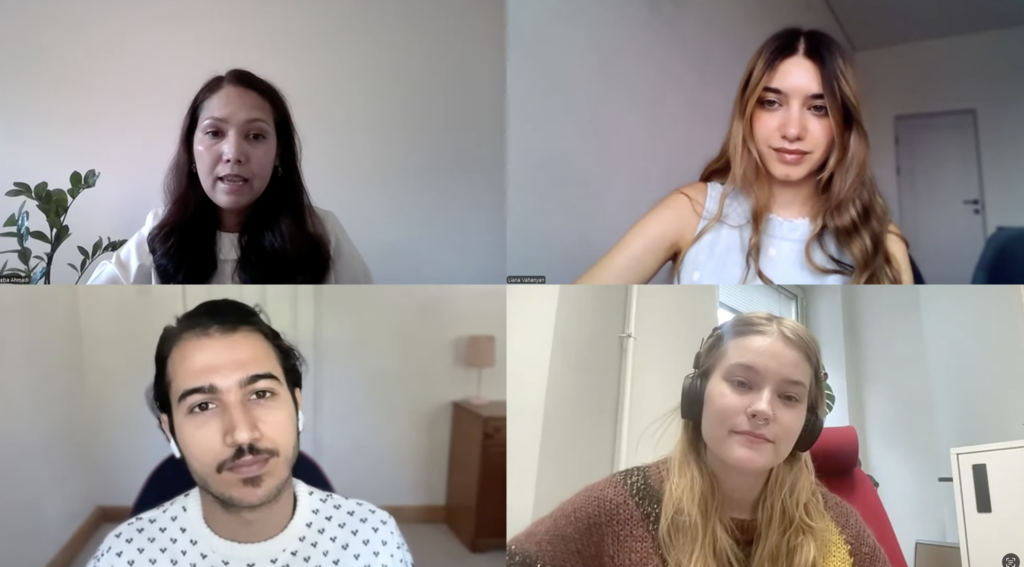
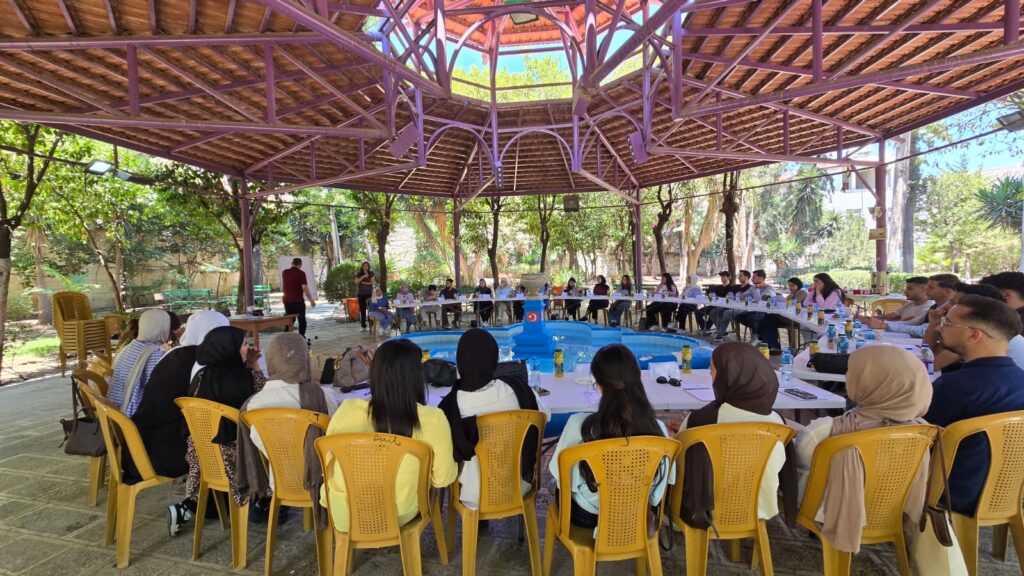
The event brought together voices from Mali, Nigeria, Palestine, and Ukraine to share experiences from conflict contexts. Photo: CMI
Recommendations for strengthening youth-centred peacebuilding
Participants stressed that mental health and psychosocial support should not be an add-on to peacebuilding programmes. Instead, it should be embedded throughout activities that engage young people in conflict-affected settings. Approaches should be tailored to the local context and grounded in an understanding of participants’ experiences, identities, and priorities.
When designing dialogue and peacebuilding processes, it is important to take the time to understand participants’ backgrounds, as their past experiences will shape how they contribute to the discussion. For example, in Gaza, CMI and its Palestine-based partner Social Developmental Forum (SDF) integrated a decompression session at the end of dialogue activities after observing that many young participants felt overwhelmed by lengthy discussions about the situation. While participants valued the dialogues, the additional session helped create space to process emotions and support their wellbeing.
Creating safe spaces is equally important. Without trust and a sense of safety, meaningful participation is unlikely to happen. Participants also highlighted the need to build on local knowledge and partnerships, rather than importing approaches that may not fit the context. Finally, they noted that awareness of MHPSS should extend beyond peacebuilding actors to include the security sector, which also plays a role in shaping young people’s experiences and wellbeing.