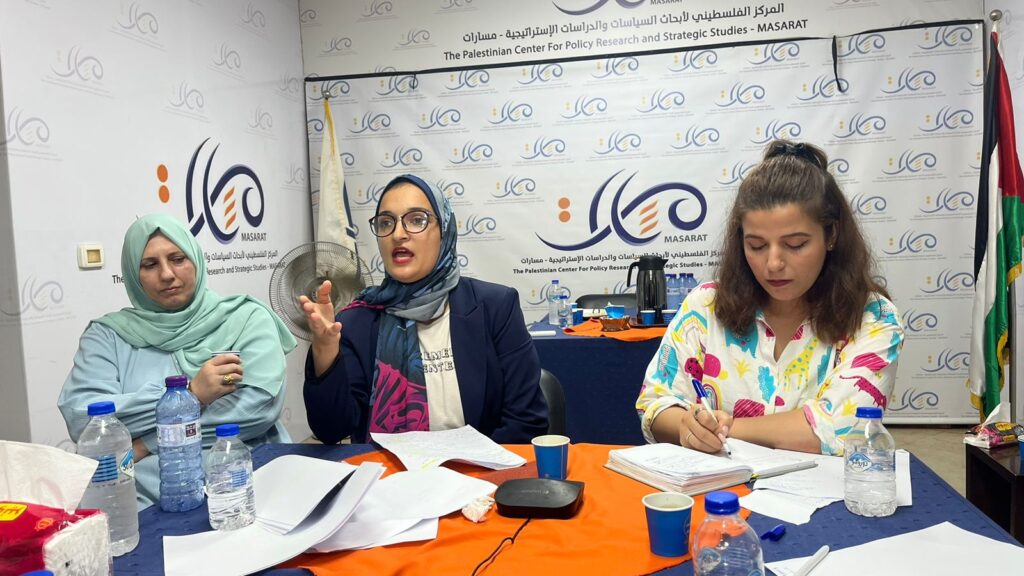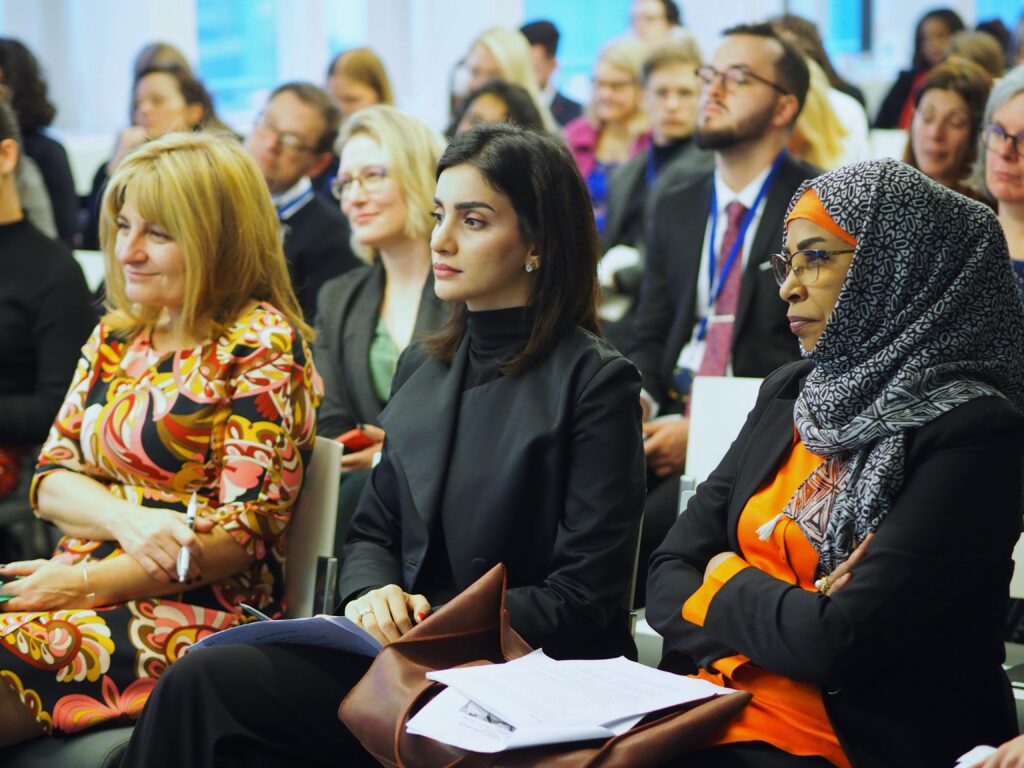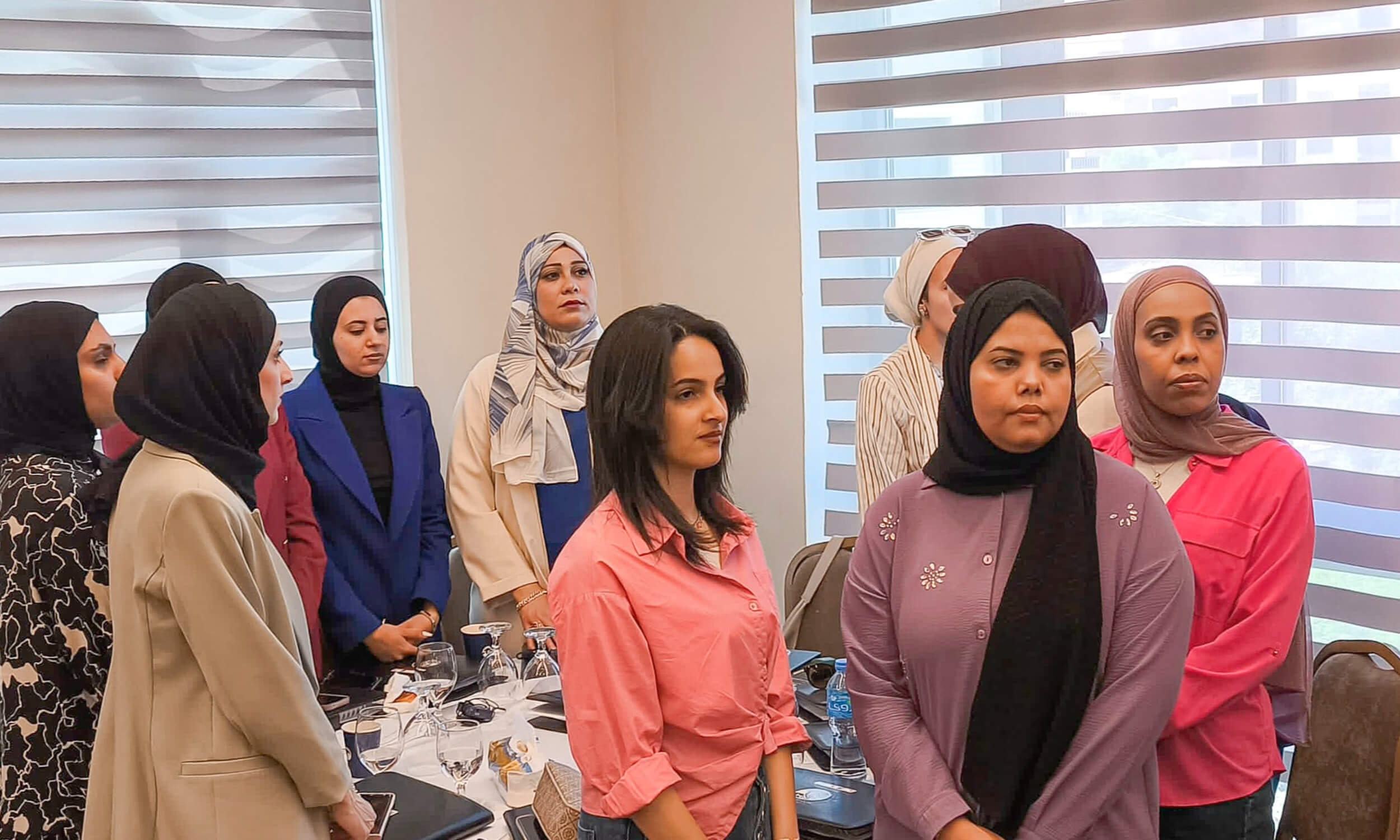
CMI contributes to a new EU-funded project that supports young Palestinian women to engage meaningfully in conflict resolution and political decision-making.
CMI – The Martti Ahtisaari Peace Foundation partners with the Palestinian Centre for Peace and Democracy (PCPD) in a new, EU-funded project that equips young Palestinian women with tools and skills for active participation in conflict prevention and transformation. The project, which spans 40 months, began in May 2025 and aims to boost the political role of women and civil society in peacebuilding in the West Bank and Gaza.
The Palestinian Centre for Peace and Democracy has extensive experience working with women’s community-based organisations across the West Bank and Gaza.
Over the course of the project, CMI will lead a variety of activities to enhance the capacities of young Palestinian women in mediation, negotiation, and conflict resolution. In the first year, CMI will deliver 60 hours of advanced training to participants from a range of Palestinian communities. Training sessions will be planned and facilitated by local and international experts and are tailored to the needs of participants.
The Palestinian Centre for Peace and Democracy has extensive experience working with women’s community-based organisations (WCBOs) across the West Bank and Gaza. The organisation has developed the project in close coordination with these networks, and with CMI, to respond to the aspirations of young women for greater involvement in political and civic life. In the initial stage of the project, it provided 60 hours of training to prepare participants for CMI’s advanced training.
EU framework and CMI approach
The project is funded under the EU Peacebuilding Initiative. The funding instrument’s aim is to increase public and political support for a negotiated two-state solution and to support civil society in Israel and Palestine as proactive actors to achieve that objective.
CMI’s involvement reflects its commitment to inclusive peace processes and the role of women as key actors in political dialogue. The foundation has long prioritised initiatives with local ownership and meaningful participation, particularly in fragile or protracted conflict environments. Women and youth in peacemaking are strategic priorities for CMI and the organisation has deep experience of working with Palestinian youth and civil society actors.
Women’s participation in peace processes is not an add-on, but central to reimagining the future and developing real alternatives to conflict.
Based on the beneficiaries’ request, the training curriculum draws on CMI’s international mediation experience and the legacy of founder, former Finnish President and Nobel Laureate Martti Ahtisaari, whose work in peace negotiations around the world continues to inform CMI’s approach.
The project addresses how civil society can influence public opinion and advance peaceful alternatives to conflict. Participants will engage in conflict analysis, mediation strategies, and public discourse methods. Women from marginalised regions in both the West Bank and Gaza are prioritised, reflecting a deliberate focus on inclusion.
Long-term engagement and regional exchange
The project is “not merely a programme of activities, but the opening of a new space for Palestinian women’s voices to be heard,” said Sultan Yasin, CMI Senior Advisor at the project opening. Reflecting on years of work with Palestinian women across various contexts, he added, “I can attest to the talent, resilience, and vision they bring, even amidst daily challenges and structural limitations.”
In the third year of the project, CMI will facilitate a series of comparative experience-sharing opportunities. Participants from the advanced training will travel to South Africa for workshops with peacebuilding practitioners, while two women from Northern Ireland will visit Palestine. An online “lessons learned” event is also planned with actors from Namibia. These exchanges are designed to offer diverse perspectives on reconciliation, inclusion, and the practical challenges of fostering peaceful community dialogue in conflict-affected contexts.
Palestinian women can articulate their visions for the future of Palestine, lead, explore, and help shape discourse in their organisations and communities.
A conference will be organised in the final stage of the project, during which participants and organisers will reflect on their journeys and make strategic plans. The purpose is to consolidate the project’s key outcomes: to strengthen young women’s capacity for peace advocacy; foster dialogue with peers and policymakers; and promote gender-equality strategies within civil society organisations. Advancing meaningful civic engagement and a just two-state solution will be supported by the final recommendations and development of strategic plans.
CMI and the Palestinian Centre for Peace and Democracy share the responsibilities of leading the project across different components. With deep roots in the local context and longstanding engagement in civic education and political participation, PCPD brings essential knowledge and networks to the partnership. CMI’s role complements this by offering targeted technical expertise and facilitating international linkages.
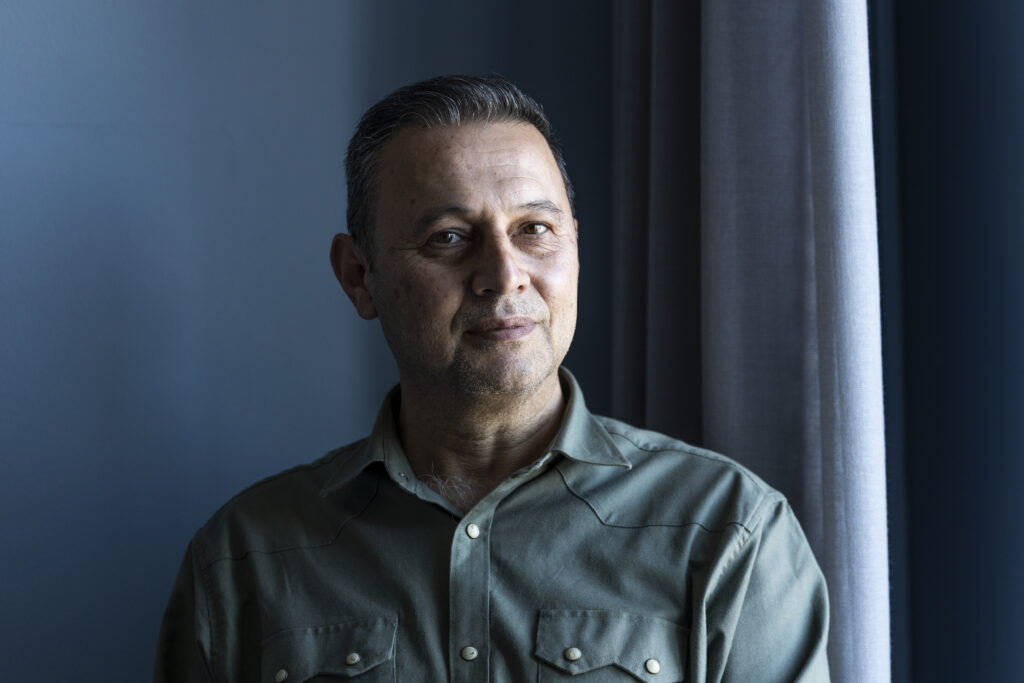
Sultan Yasin, CMI Senior Advisor, says that the project provides a new space for Palestinian women’s voices to be heard. Photo: Maria Hossain Santto/CMI
At the project launch, Sultan Yasin emphasised that women’s participation in peace processes is “not an add-on, but central to reimagining the future and developing real alternatives to conflict.” The principle underpins CMI’s approach to partnership with Palestinian women, he said. “We do not come with ready-made solutions. We come to accompany you on a journey where you are the leaders.”
With this project, CMI and PCPD create a space in which young Palestinian women can articulate their visions for the future of Palestine, lead, explore, and help shape discourse in their organisations and communities. As participants share what they have learnt within their communities, they also become advocates for peaceful dialogue and non-violent alternatives to conflict.
CMI’s work in Palestine
CMI has been supporting dialogue on intra-Palestinian reconciliation since 2010. In recent years, this work has placed special emphasis on women’s political agency. The unique networks that bring together women from across the political spectrum and civil society have been used to share information and coordinate joint action during the Gaza war.