Moldova
CMI has been present in Moldova since 2011. Initially the work focused on the Transdniestrian settlement process (TSP) where CMI has contributed to efforts towards a peaceful and equitable settlement to the Transdniestrian conflict.
Since the 1992 war in the Republic of Moldova that divided the country into the right and left banks of the River Dniestr/Nistru, the parties to the conflict have been engaged in often interrupted negotiations towards a political settlement. Despite international mediation efforts, the final settlement of the conflict remains unresolved.
The Gagauz autonomy was established to safeguard the rights of the Gagauz ethnic minority in 1994. Moldova passed a law on the Special Legal Status of Gagauz Yeri which outlined the structure of the autonomy, including a legislature (the People’s Assembly, consisting of 35 members) and an executive branch, headed by the Governor (the Bashkan). The establishment of the autonomy was a successful conflict resolution model. However, implementation of the 1994 Law has been inconsistent, resulting in frequent disputes and growing sources of tension between the central Government and the autonomy.
Our work
CMI’s work in the region includes support to the peace process on multiple levels, building confidence between the sides, engaging with the sides on key issues where international and local expert support can be of most help and support to the formal settlement process.
CMI has worked to support the Transdniestrian settlement process (TSP) by convening and supporting ongoing informal dialogue between high-level independent experts, former diplomats with expertise in the conflict, political analysts, former negotiators in the official settlement process and current advisers to the political leadership in Chisinau and Tiraspol. CMI’s dialogue platform members have provided briefings to international actors, directly involved in and influencing the settlement process in Vienna, Brussels, Moscow, Washington, Kyiv, and other key capitals.
Since 2017, CMI has facilitated a high-level Track 1 regular dialogue platform between the sides to complement the settlement process. CMI has provided tailored support to international actors bringing dialogue platform participants and locally generated analysis and recommendations to international actors with special focus on the OSCE. Through facilitating events that create space for informal and open dialogue on sensitive issues, CMI contributes to the efforts of the negotiators, mediators and observers to find solutions based on compromise.
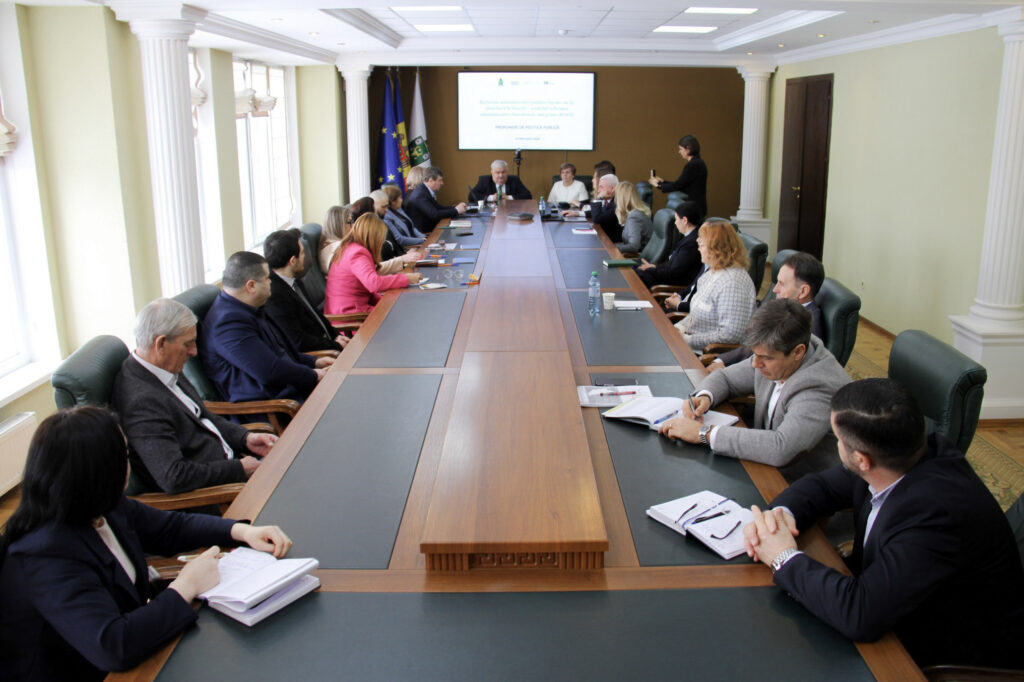
Since 2015, CMI has facilitated the informal dialogue process between the Parliament of the Republic of Moldova and People’s Assembly of Gagauzia and provided good offices for the official political dialogue platform to improve institutional mechanisms of centre-autonomy relations.
In 2015, with funding from Sweden, CMI convened an informal dialogue group made up of representatives from the Moldovan Parliament and the People’s Assembly of Gagauzia for sustained joint dialogue to build confidence between both sets of legislators and improve the functioning of the autonomy. Following this initiative, and the creation of the official Parliamentary Working Group on Gagauzia (PWG) CMI was mandated to support the work of the official dialogue platform.
The dialogue process contributes to the institutionalization and sustainability of dialogue between the centre and the autonomy through strengthening institutions, capacities and ownership around the PWG. CMI enables the stakeholders to come together to find joint solutions to common issues. CMI uses its international expertise in informal mediation to facilitate the informal dialogue process providing the necessary technical support, contributes to the capacity building of both national and autonomy stakeholders as well as cooperating with academia and the expert community to ensure continuity of the dialogue process.
You can visit the project website here. The project report 2015 – 2018 can be found here and the project newsletter here. The expert report on centre-autonomy arrangements can be found here.