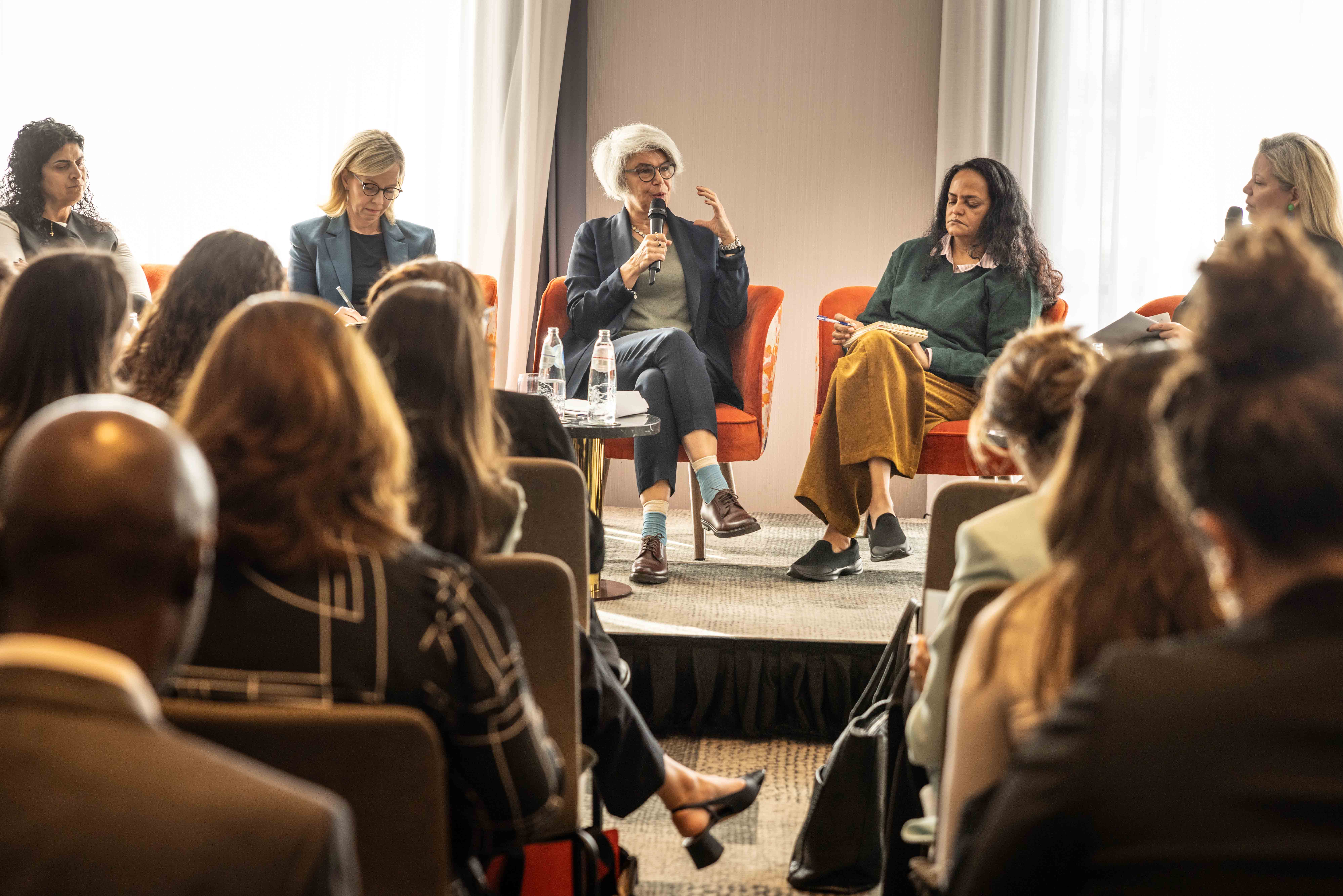
On 6 October 2026, the EU-funded programme Still, We Rise: Reclaiming and Transforming the Women, Peace and Security (WPS) Agenda was launched in Brussels. The event brought together policymakers, peacebuilding practitioners, civil society representatives and experts to discuss how women’s influence and leadership in peace processes can be strengthened at a time when the need has never been greater.
The programme is being launched against a backdrop of rising violent conflict worldwide and continuing barriers to women’s meaningful participation in efforts to build peace. Despite decades of advocacy and evidence demonstrating the value of inclusive peace processes, women remain significantly underrepresented in formal negotiations and mediation efforts. In 2024, women made up just 7 per cent of negotiators and 14 per cent of mediators in formal peace processes, and many talks included no women at all.
From participation to power: women shaping peace
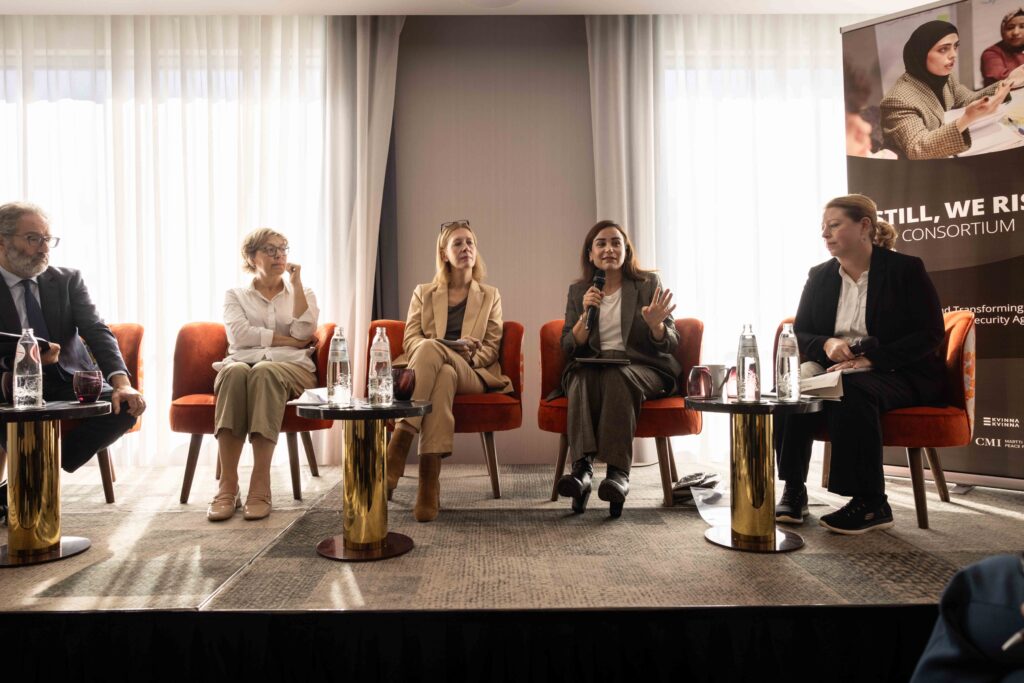
Discussions at the launch highlighted a key message: women are already building peace. The task now is to ensure they have the influence, resources and political support to shape peace processes and outcomes. Photo: Johanna de Tessières
Over the course of the launch event, discussions focused on a shared challenge: how to move beyond participation towards genuine influence. Participants reflected on experiences from conflict contexts including Sudan, Palestine, Syria and the Democratic Republic of the Congo (DRC) , highlighting that women are often involved in peace processes in consultative or advisory roles, while key decisions continue to be made elsewhere.
A recurring theme throughout the discussions was that meaningful inclusion requires more than a seat at the table. Women peacebuilders, mediators and civil society leaders need the political space, resources and authority to help shape agendas and influence outcomes. Participants emphasised the importance of creating sustained channels between women leaders and decisionmakers, strengthening coordination among women’s groups, and ensuring predictable, long-term support for women’s political leadership and peacebuilding efforts.
Discussions also underscored a persistent gap between policy commitments and realities on the ground. Across conflict-affected contexts, women are already leading peace efforts in their communities. The challenge is not their capacity to lead, but ensuring that political systems, peace processes and decision-makers provide the support, resources and political will needed for that leadership to shape outcomes.
Supporting women peacebuilders where it matters most
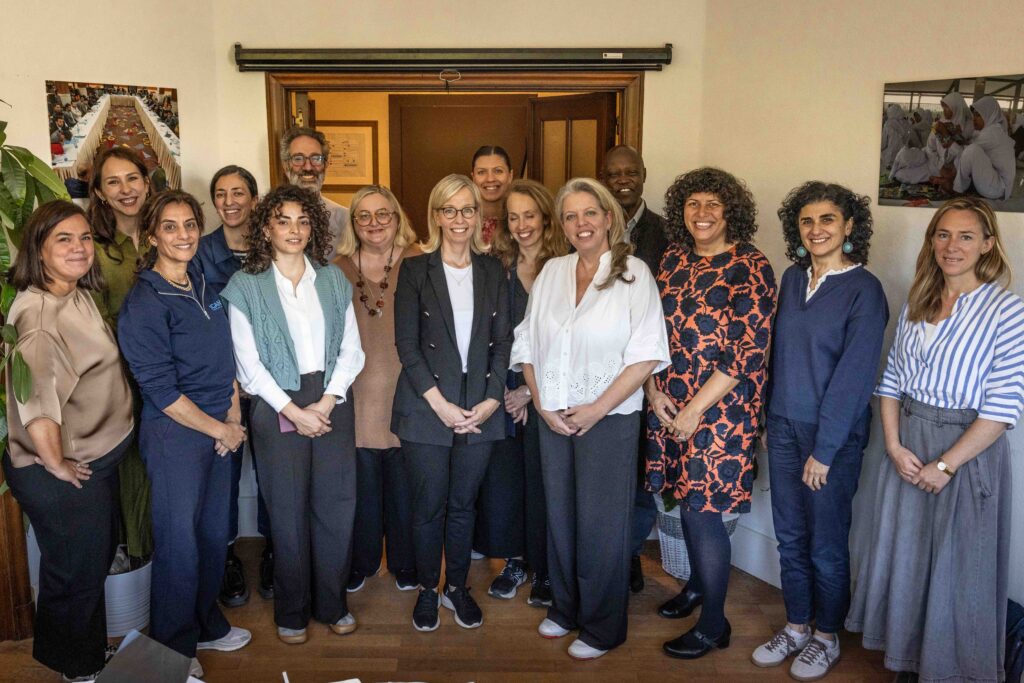
The Still, We Rise Programme brings together expertise from CMI, The Kvinna till Kvinna Foundation, Conciliation Resources and ICAN, all working across peacebuilding, mediation and women’s rights. Photo: Johanna de Tessières
The Still, We Rise programme is supporting women peacebuilders and human rights defenders in the Democratic Republic of the Congo (DRC), Palestine, Sudan and Syria. Through partnerships with local organisations and international actors, the programme seeks to strengthen women’s influence in peace and political processes while helping ensure that gender-responsive approaches remain at the centre of EU and global peacebuilding efforts.
CMI is one of the consortium partners and will implement the programme in Sudan and DRC. Drawing on its long-standing experience in inclusive peace mediation, CMI will contribute expertise on women’s meaningful participation in peace processes, support women mediators and peacebuilders, and help strengthen connections between local actors and formal peace efforts.
The programme is implemented by a consortium of partners (CMI, The Kvinna till Kvinna Foundation, Conciliation Resources and International Civil Society Action Network (ICAN)) working across peacebuilding, mediation and women’s rights. It is funded by the European Union’s Foreign Policy Instrument.