The past year made unmistakably clear a trend that has been building for some time: war is once again a central feature of international politics. The use of force has become an increasingly accepted tool of power. Ongoing conflicts ranging from Ukraine and the Middle East to Sudan and eastern Democratic Republic of Congo, as well as other direct confrontations including those between India and Pakistan, reflect the lowered threshold for the use of military force. All of these signal a transformation of the global order.
This shift is driven by intensifying great power politics and accelerated by technological change. The threshold for the use of force has fallen. War has become faster, cheaper, and, at least in the short term, more politically accepted. At the same time, multilateral institutions face deepening paralysis. They are constrained by geopolitical rivalry, fragmentation, and diminishing political and financial support.
As war becomes more normalised, the need for and the political weight of peacemaking has equally grown. Mediation has moved decisively to the highest political level; it is now increasingly driven by heads of state and government rather than by traditional actors within multilateral frameworks. In effect, peace efforts are often transactional and highly public.
This evolution challenges some of the core principles of peacemaking, particularly inclusivity and local ownership, and often accountability. A widening gap has emerged between elite negotiations and the societal processes widely recognised as essential for peace to last in time. With the invaluable support of our partners and donors, CMI has been able to adapt its work to this more contested and fast-moving environment. Sustained funding for peace is critical. Equally important in today’s world is the ability to mobilise funds quickly.
2025 was a year of rapid growth and exceptional intensity in CMI’s work. As we marked our 25th anniversary, we also updated CMI’s Strategy 2030 and began its implementation. Reflecting major demographic transformations and rapid technological development that shape conflicts, we are introducing a renewed focus on Youth in Peacemaking and artificial intelligence.
In response to the evolving peacemaking landscape, we are strengthening cooperation with multilateral actors and deepening engagement with key middle powers and regional coalitions. To counter fragmentation on the one hand and to enable exchange on the other, a significant part of this work focuses on creating greater connectivity and shared understanding between these actors. These elements guide our work in the 2026–2029 programme period and ensure that CMI remains relevant and effective amid profound global change.
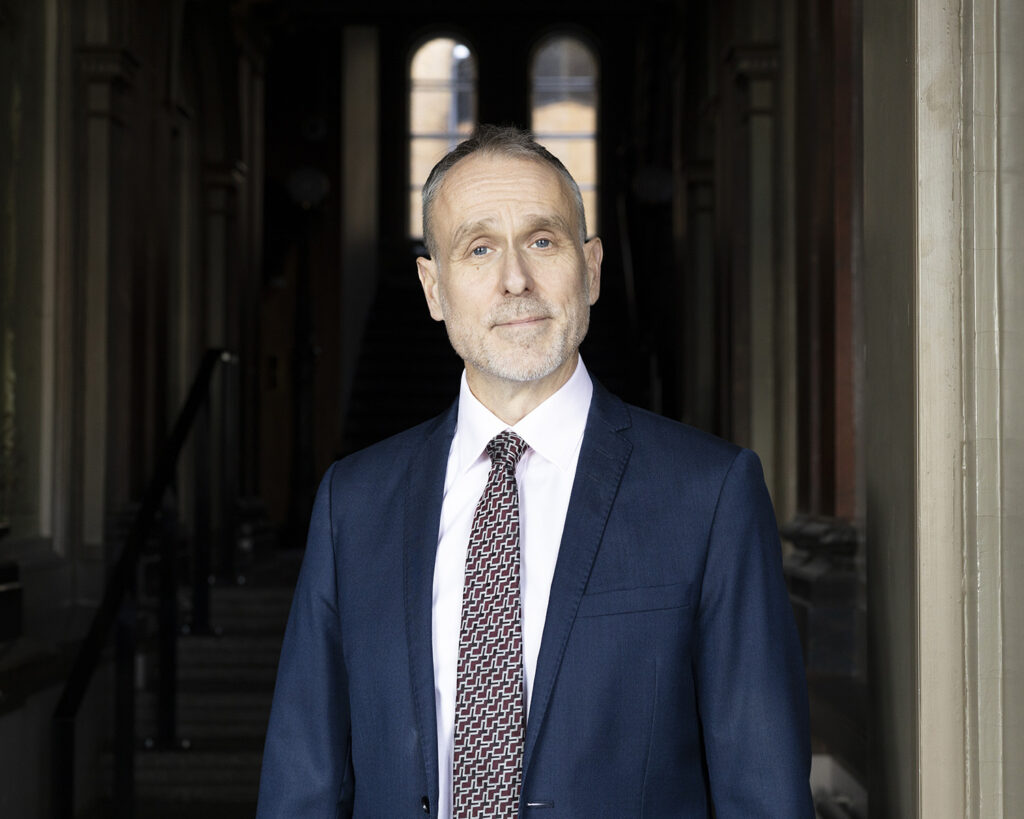
Photo: CMI/ Maria Hossain Santto
Janne Taalas
Chief Executive Officer
This text was first published in the CMI’s Annual Report 2025 where you can read more about our work in 2025.