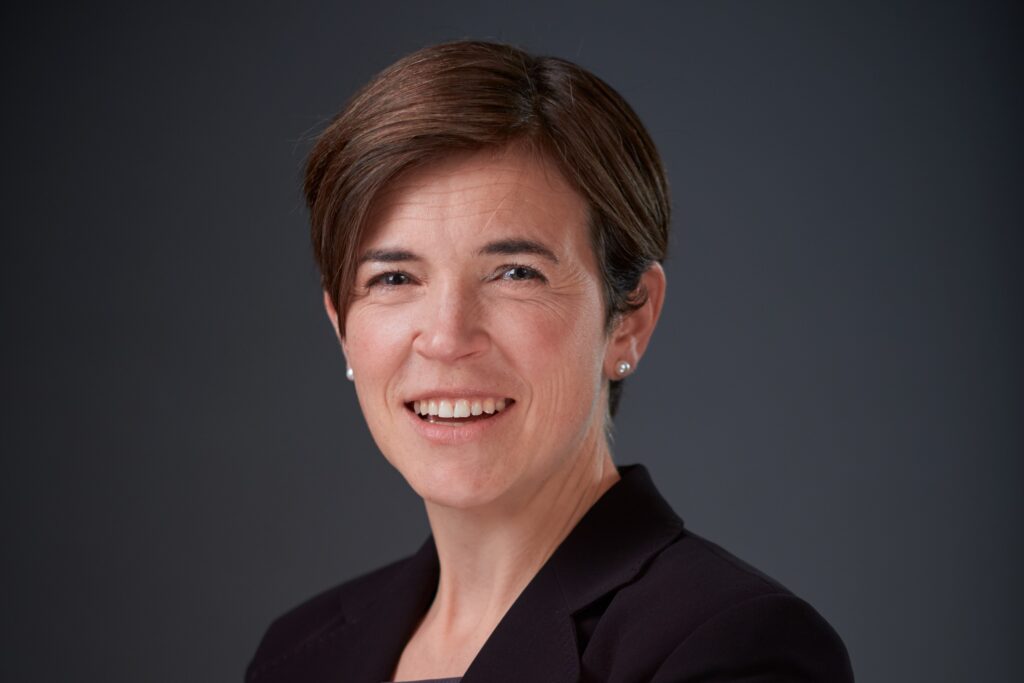
The EU has been a close partner of CMI since President Martti Ahtisaari established the Brussels representation in 2004. CMI is a “trusted and critical friend” says Jibecke Joensson, Head of the Brussels Office.
As the world teeters with the strain of overlapping crises and shifting alliances, the European Union faces mounting pressure to redefine its role in global peacemaking. Calls for principled pragmatism and strategic partnerships are growing, raising difficult questions about what principles to prioritise and when pragmatism must take precedence.
In a world marked by weakening global consensus and fewer shared rules, the EU has a distinct role to play through its economic and socio-political leverage. The stakes are especially high for peacemaking, where balancing values and interests will shape not only the EU’s credibility, but also its capacity to act as a meaningful global actor.
On 9th May we mark Europe Day and the ultimate European peace project. We remind ourselves of the importance of partnership and dialogue, of cooperation and multilateralism, and of the shared norms, rules and values for building and preserving peace, and stability in Europe and beyond.
The European Union has always been a natural and close partner for CMI. President Martti Ahtisaari established CMI’s permanent Brussels representation in 2004, recognising the EU’s growing role in crisis management and conflict resolution. Today, the office is bigger than ever with representation from several teams, including Eurasia, MENA, SSA and Asia, as well as an ever-growing team working on EU and UN affairs.
A trusted and critical friend to the EU
Jibecke Joensson, Head of the CMI Brussels Office, says that as a longstanding, trusted and critical friend, CMI’s goal is to support, inform and even shape EU peacemaking policy and practice.
CMI can bring situational updates and analysis to key policy and decision-makers through timely and topical exchanges, she says. This helps the EU explore how to address emerging crises, resolve conflicts, and enhance partnerships for peace. “CMI can do things that the EU cannot do, and the EU things that CMI cannot do. It is a true partnership where we can strategically leverage our differences and complementarities for peace.”
Joensson stresses that broad engagement with both formal and informal actors is essential to the sustainability of peace efforts, and thus also for CMI and its programmatic work in different regions. “While the formal structures are trying to adjust to a shifting international system – which is shaking the foundations of peacemaking – informal peacemaking actors play a key role in supporting and facilitating the transition to a new era,” Joensson says.
In a world shaped by rivalry and weakening international norms, the EU has the capacity to advance peace through diplomacy, cooperation, and principled engagement, says Joensson. “For peacemaking organisations, the stakes are especially high: the EU’s economic, political, and social leverage – with many tools at hand in its integrated approach – gives it a unique role in defending multilateralism and fostering dialogue in an increasingly polarised geopolitical space,” she adds.

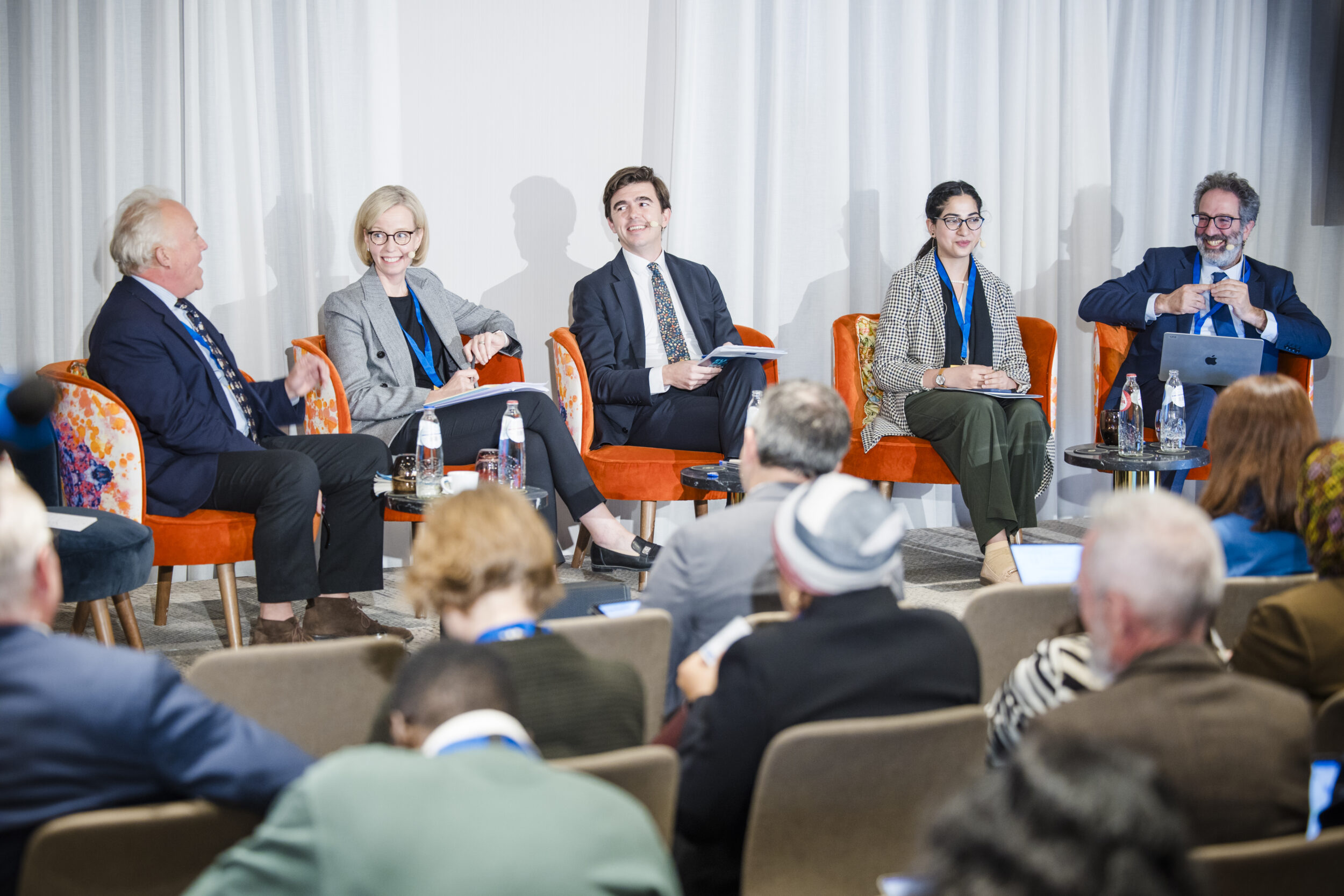
The 2025 edition of the CMI High-Level Dialogue took place in Brussels on 30 January, co-organised with the Polish Presidency of the Council of the EU and the Spanish Ministry of Foreign Affairs. Image: Polish Presidency of the Council of the EU.
Strengthening multilateral peacemaking
Since 2004, CMI’s partnership with the EU has grown exponentially, defined by cooperation around the world on peacemaking policy and practice. In 2024, the EU became CMI’s largest single source of financial support, which CMI’s CEO Janne Taalas attributed to “CMI’s increasing strategic relevance in Europe’s peace and security landscape.”
Joensson acknowledges that multilateralism is challenged by growing geopolitical tension and says: “As much as possible, we should cooperate closely and work transparently with international organisations and partners around the world in support of multilateralism and the rules-based international order. The more, the merrier.”
She adds: “We must be careful to ensure our independence, but I believe that we must show support to multilateral organisations across our engagements and partnerships and demonstrate that we share many of the same commitments, especially with the UN.”
In Brussels, in EU Member States, and in conflict-affected countries where the EU operates, dialogues tackle key EU foreign policy issues with the aim of providing targeted policy recommendations that put people at the centre. One example of how CMI contributes to discussions on EU mediation and multilateral cooperation is the EPLO Civil Society Dialogue Network (CSDN), a unique platform for engagement between civil society actors and EU policymakers and experts.
CMI is also a standing member of the Steering Committee of the EU Community of Practice on Peace Mediation (CoP). The annual gathering has grown into a flagship European Union event – the only one on peace – that convenes international actors, experts and governments for discussions on mediation and peace process support. It raises awareness of the importance of this work to EU and EU Member State decision-makers, builds partnerships across institutions and borders, and provides new ideas and opportunities for peacemaking around the world.
Another fixture in the calendar is CMI’s annual High-Level Dialogue on peacemaking in Brussels, drawing key policymakers and international leaders to discuss pertinent issues in peacemaking. This year focused on how to navigate the complexities of balancing inaction and engagement. The discussion on principled pragmatism underlined that political realities and local power structures must be acknowledged without endorsing them.
Building partnerships for inclusive and sustainable peace
CMI’s strengthened focus on the EU and policymaking comes on the back of last year’s update to the CMI 2030 strategy, which placed connectivity with peacemaking actors, multilateralism and policy at its heart. The updated strategy outlines CMI’s intention to strengthen networks, foster and improve connectivity among diverse actors, support multilateralism, and enhance peacemaking policy and practice. CMI established a Multilateral Affairs and Peacemaking Policy team, headed from Brussels, demonstrating the centrality of the EU in CMI’s work.
Looking to the future, Joensson concludes that strong partnerships between the EU and peacemaking organisations are essential to ensure that peace efforts remain inclusive, effective and sustainable – in other words, capable of responding to today’s complex global challenges.