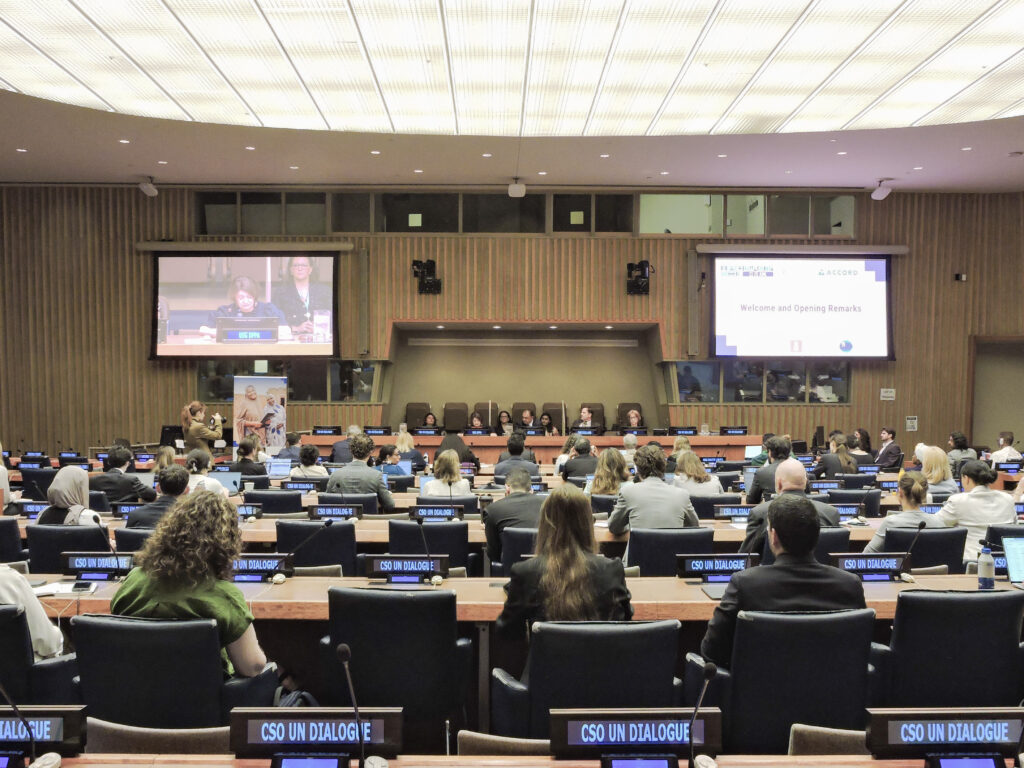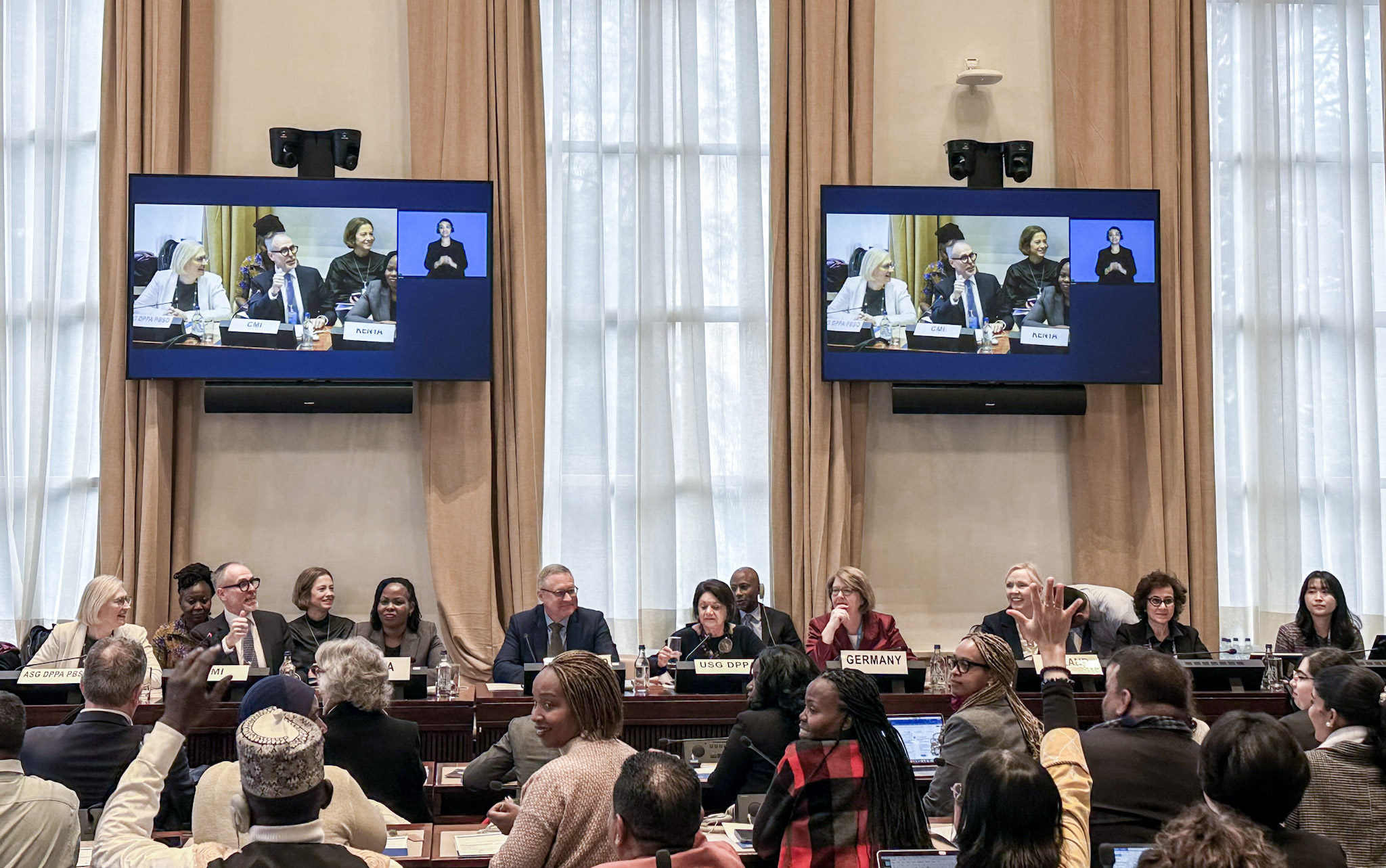
Geneva, 10–11 December, CMI – Martti Ahtisaari Peace Foundation and the Peacebuilding Support Office of the United Nations Department of Political and Peacebuilding Affairs co-chaired the 3rd annual CSO–UN Dialogue on Peacebuilding.
The Dialogue continues to work toward two essential goals: institutionalising CSO–UN cooperation and building trust. Each year, the format evolves, and this edition showed clear progress in making the Dialogue more focussed, inclusive, and effective. CMI has been a member of the Dialogue’s Core Group since its inception in 2023.
With over 200 participants from more than 90 countries, the third edition of the Dialogue provided a powerful platform for exchanging insights and best practices grounded in the lived experiences of local peacebuilders and civil society actors.
The overarching theme, ‘Operationalising a Whole-of-System Approach to Peacebuilding and Sustaining Peace,’ was explored through cross-cutting themes including Women, Peace and Security (WPS); Youth, Peace and Security (YPS); and interconnected crises such as forced displacement.
This year, CMI piloted an innovative reporting-back approach using AI tools allowing us to rapidly analyse common challenges, points of differentiation and shared recommendations across regions, as well as country specific and regional recommendations.
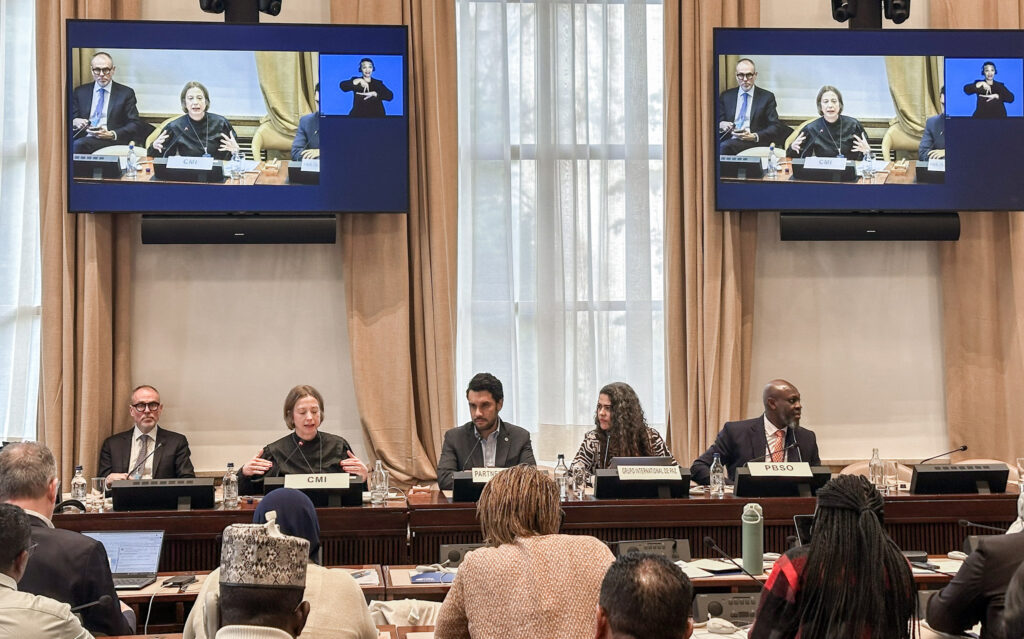
CMI’s CEO Janne Taalas (first from left) looks on as Jibecke Joensson, CMI’s Head of EU/UN Affairs, makes remarks.
Key takeaways
While a more comprehensive report will follow, a few key takeaways stand out:
1. Inclusive consultation and dialogue formats such as the CSO–UN Dialogue should be further institutionalised, with regular national and regional engagements bringing together the UN, civil society and governments, particularly as a means of localising global peacebuilding discussions.
2. The potential of better leveraging existing networks, such as youth councils and sub-regional partnership organisations, as coordination mechanisms for more unified and credible positions in engagement with governments. The role the UN can play in convening and facilitating was stressed, using its legitimacy to bring governments and civil society together.
3. The shrinking of civic space emerged as a major concern. Participants proposed considering the establishment of a UN Special Rapporteur on Peace, a dedicated mandate integrating peace and human rights, to help ensure sustained attention to peacebuilding efforts and the protection of civic space.
Operationalising a ‘whole-of-system’ approach
Participants also identified several key tools or mechanisms that could help operationalise a whole-of-system approach:
1. UN–CSO communication channels were seen as fragmented, with too many entry points, limiting meaningful engagement. Participants emphasised the need for greater centralisation and clarity in these channels to enable more strategic, inclusive, and sustained dialogue with civil society.
2. Resident Coordinators (RCs) were highlighted as a particularly effective mechanism for strengthening coordination across the UN system. However, participants stressed that their role needs to be further leveraged to better bridge global and country levels through more efficient and systematic information sharing. Stronger system-wide planning at the country level is required, and RCs are well placed to play a central coordinating role in this process.
3. The UN80 process was identified as a key opportunity to advance system-wide reform. Civil society actors expressed a strong desire to have a meaningful voice in this process. In addition, participants underscored the importance of Security Council reform as a critical tool for more effective peacebuilding and the strengthening of the rule of law globally, noting that a more representative and accountable Council would enhance the legitimacy and impact of the UN’s work.
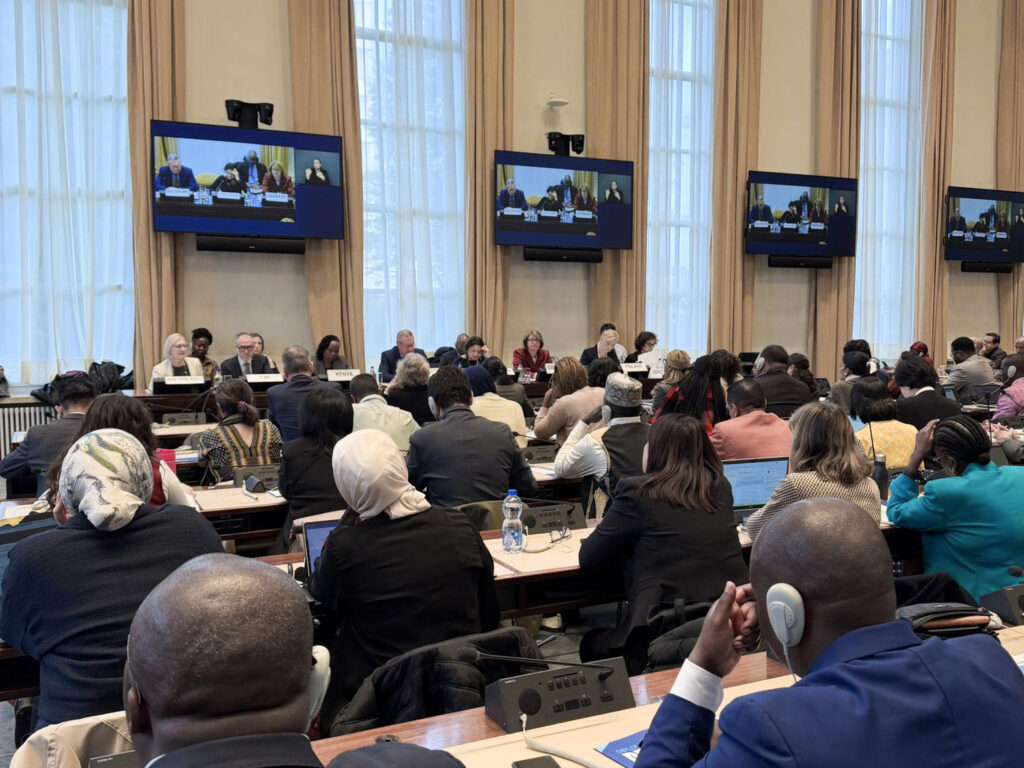
Over 200 participants from more than 90 countries attended.
CMI is grateful to all partners and participants who contributed to making this Dialogue a meaningful step toward more inclusive and effective peacebuilding, and a special thank you to our Core Group members, without whom this initiative would not be possible.
We proudly hand over the co-chairing to ACCORD who we know will do a tremendous job in continuing to improve this Dialogue and ensuring the meaningful participation of CSOs in the UN Peacebuilding Architecture.