


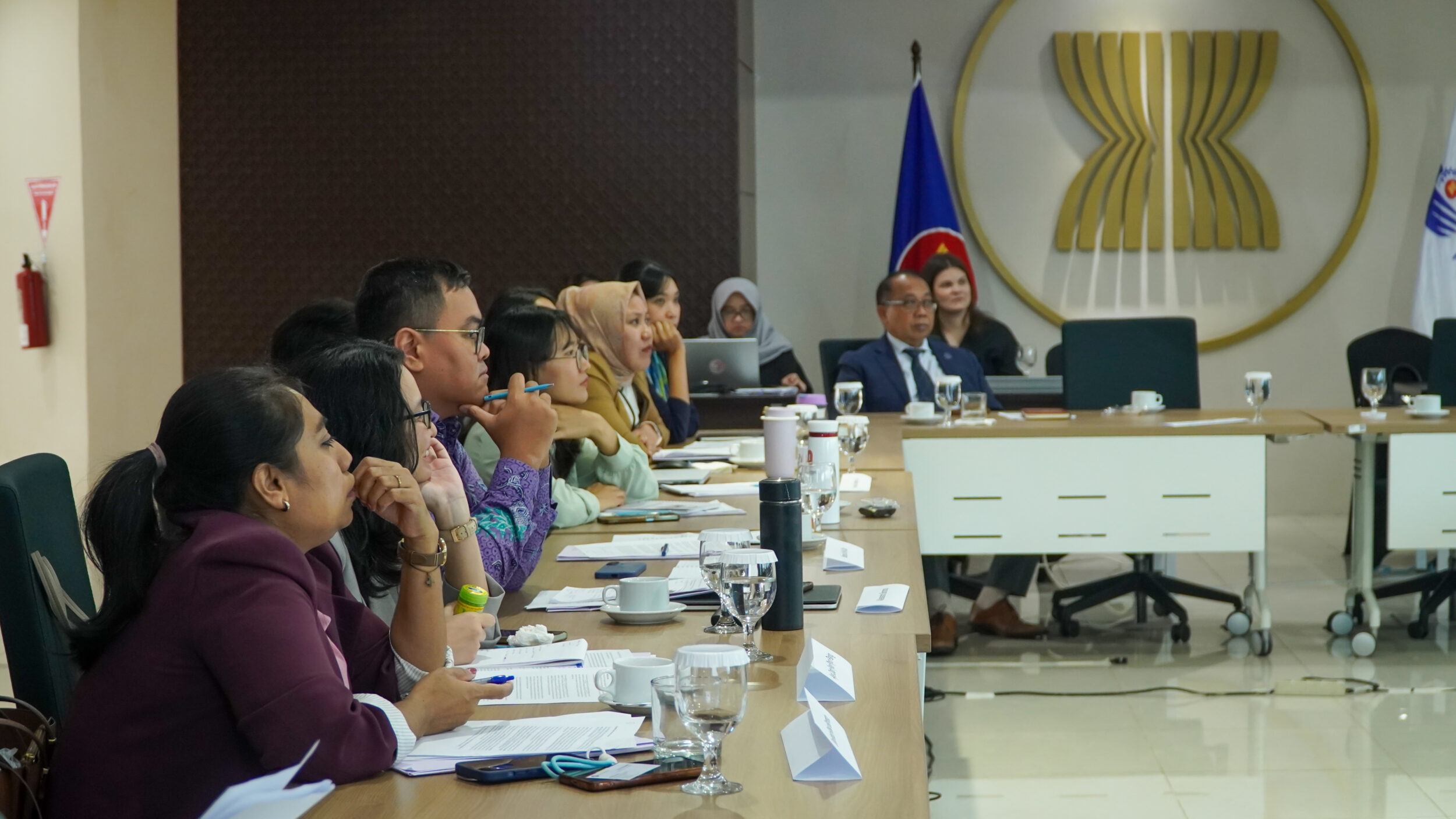
An introductory training on conflict analysis and conflict resolution was held for the Association of Southeast Asian Nations Secretariat and entities from 19-21 November 2025 at ASEAN Headquarters in Jakarta, Indonesia.
“When facing new and contemporary challenges, it is necessary to be equipped with diverse modalities and a deeper understanding of conflict analysis, conflict management, knowledge on mediation, and facilitation methods.”
Such were the remarks of Mr. I Gusti Agung Wesaka Puja, Executive Director of the ASEAN Institute for Peace and Reconciliation, as he officiated the ‘Introductory Training on Conflict Analysis and Conflict Resolution’ for the ASEAN Secretariat and ASEAN entities, which was convened 19-21 November 2025 at the ASEAN Headquarters in Jakarta, Indonesia.
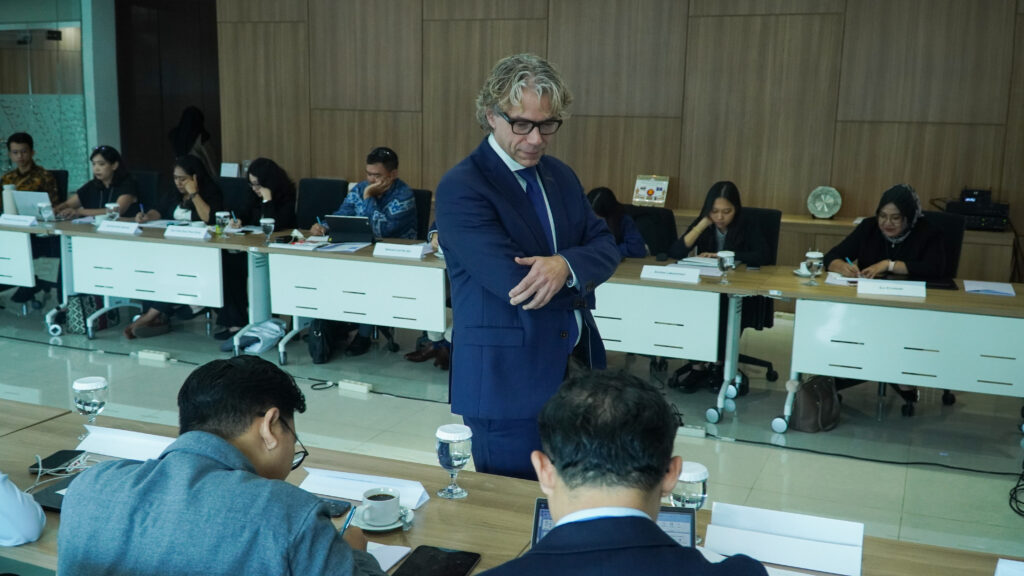
CMI Senior Adviser Wilbur Perlot acted as the Lead Facilitator of the training in which 19 local officials took part.
The training was a flagship collaboration of the ASEAN Institute for Peace & Reconciliation (ASEAN-IPR) and CMI – Martti Ahtisaari Peace Foundation in which the two partnered in developing the training’s framework, programme and organisation.
Mr. Alex Virtanen, Head of CMI’s Asia programme said: “We are pleased to be partnering with ASEAN-IPR and grateful for its leadership within ASEAN in advancing capacities for peacebuilding and reconciliation. Our organisation has enjoyed a long and productive partnership with ASEAN-IPR and today marks a new chapter in that relationship — one focused on building practical skills and shared understanding to address conflict in all its complexity.”
Nineteen officials participated in the training, with participants ranging from officials of the ASEAN Secretariat and ASEAN entities based in Jakarta, to junior to mid-level government officials from ASEAN Member States.
For ASEAN-IPR, it was the first collaborative training focused on conflict analysis and conflict resolution. With this particular training specifically tailored for professionals of the ASEAN Secretariat and ASEAN entities, it reflected the commitment to strengthening institutional expertise across the region.
“This programme is designed with inclusivity, equipping participants with practical skills, enabling to address conflict through a holistic, inclusive approach across ASEAN’s three community pillars,” underlined H.E. Nararya S. Soeprapto, Deputy Secretary-General of ASEAN for Community and Corporate Affairs (DSG-CCA).
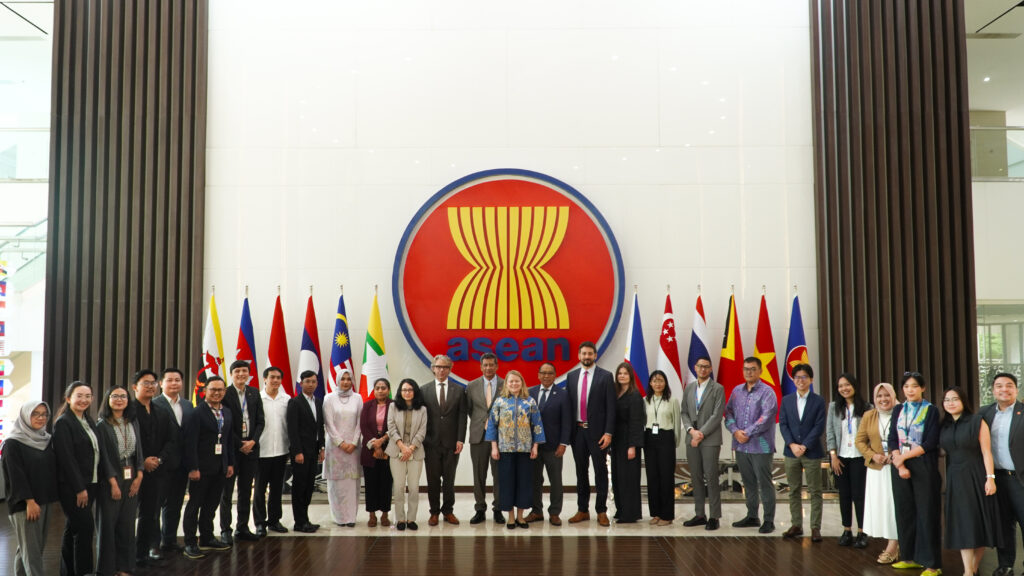
The three-day training was held in Jakarta, Indonesia and was facilitated by CMI and the ASEAN Institute for Peace & Reconciliation (ASEAN-IPR).
During the three-day training, participants took part in a structured programme covering key elements of conflict analysis, resolution, and dialogue. Sessions comprised theoretical frameworks, practical exercises and contextual understanding relevant to the Southeast Asian region. For example, the global and regional peace and security landscape; introduction to main themes, pivotal concepts and theoretical frameworks of conflict resolution; conflict analysis and assessment methods; introduction to negotiation and mediation; introduction to dialogue; strengths and weaknesses of peacemaking methods; as well as simulations and roundtable discussion to identify actors, mechanisms and gaps in conflict management/conflict resolution in the region. The training was facilitated by CMI alongside ASEAN-IPR.
Two sessions specifically highlighted Southeast Asian actors in conflict prevention, conflict management and conflict resolution, as well as insider facilitation in Southeast Asia. For this, the training brought Prof. Kamarulzaman Askandar, Dr. Emma Leslie and Mr. Omar Sema to share their extensive experience in peace processes across the region, and reflections on the practice of dialogue. This included challenges faced, lessons learned in facilitating meaningful engagement among diverse stakeholders, and the transformative potential of sustained and inclusive dialogue in conflict settings.
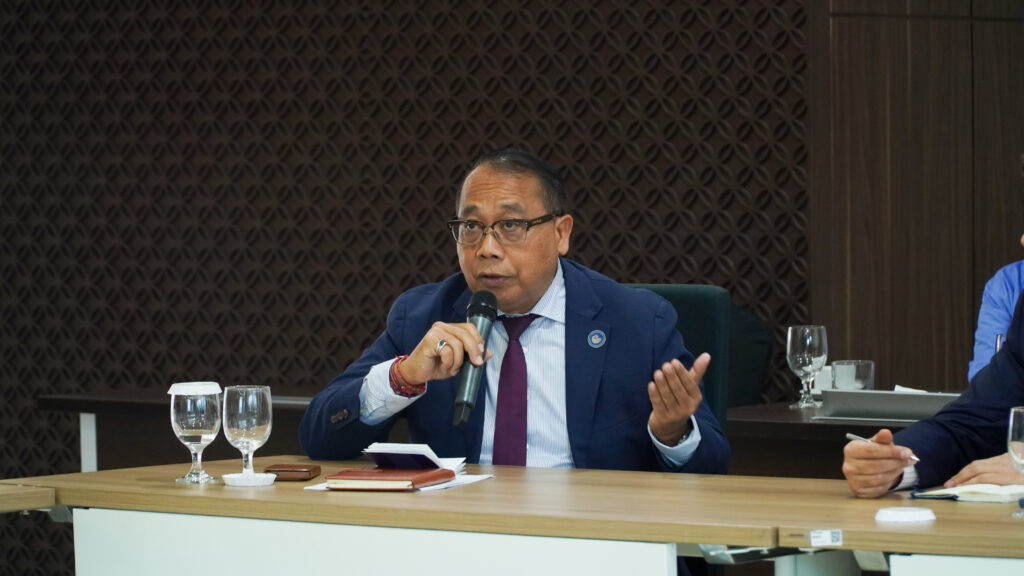
Mr. I Gusti Agung Wesaka Puja, Executive Director of the ASEAN Institute for Peace and Reconciliation.
At the tail end of the training, a group working session was organised to formulate concrete recommendations to address emerging issues and conflicts across the region. Participants collaborated to propose actionable steps and potential approaches for what ASEAN and ASEAN Member States could consider in addressing such issues.
Looking ahead, ASEAN-IPR and CMI will continue on the collaboration through another iteration of the training in 2026; as well as possible expansion of the training’s beneficiaries in future iterations.