


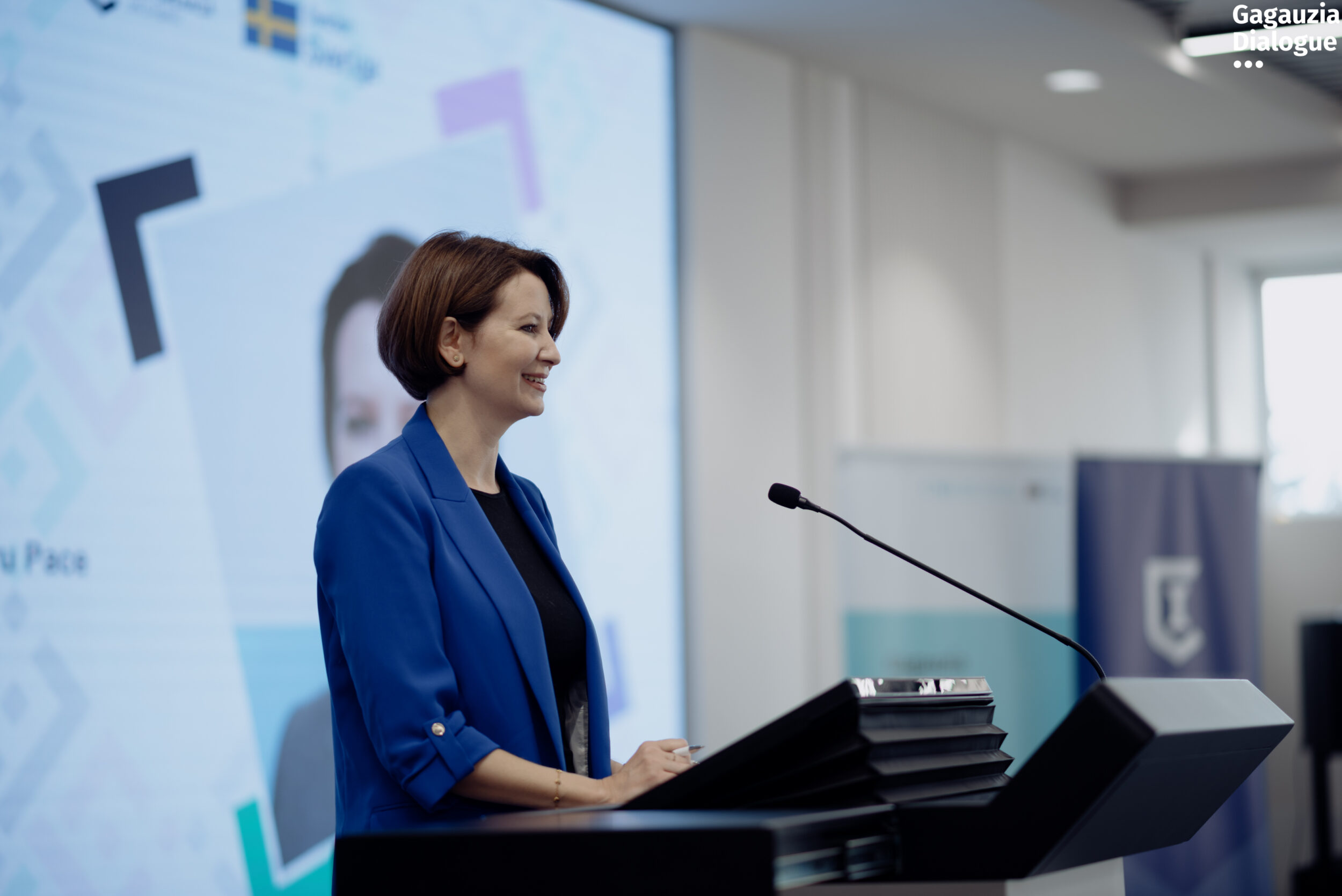
On 26 November, CMI co-launched a national platform for training, research, and innovation in the field of multilingual education. CMI Country Manager, Natalia Djandjgava, said it meets the need for institutionalisation and professionalisation of multilingual education in Moldova.
Since 2011, CMI has been active in the Republic of Moldova, contributing to peacebuilding through support of the Transdniestrian settlement process and dialogue between the central Government and the Gagauz autonomy. CMI’s expertise in fostering trust, inclusion, and social cohesion, is now being applied to the education sector.
On 26 November, CMI in partnership with the “Ion Creanga” State Pedagogical University in Chisinau, launched the National Center for Multilingual Education. The launch of the Center is a natural continuation of work that promotes dialogue, strengthens institutional cooperation, and builds capacities in support of an inclusive and modern education system that reflects Moldova’s linguistic and cultural diversity.
The national platform for training, research, and innovation in multilingual education is designed to support the implementation of the Action Plan on the implementation of multilingual education in allophone schools for the years 2025–2030. It was recently approved by the Ministry of Education of the Republic of Moldova.
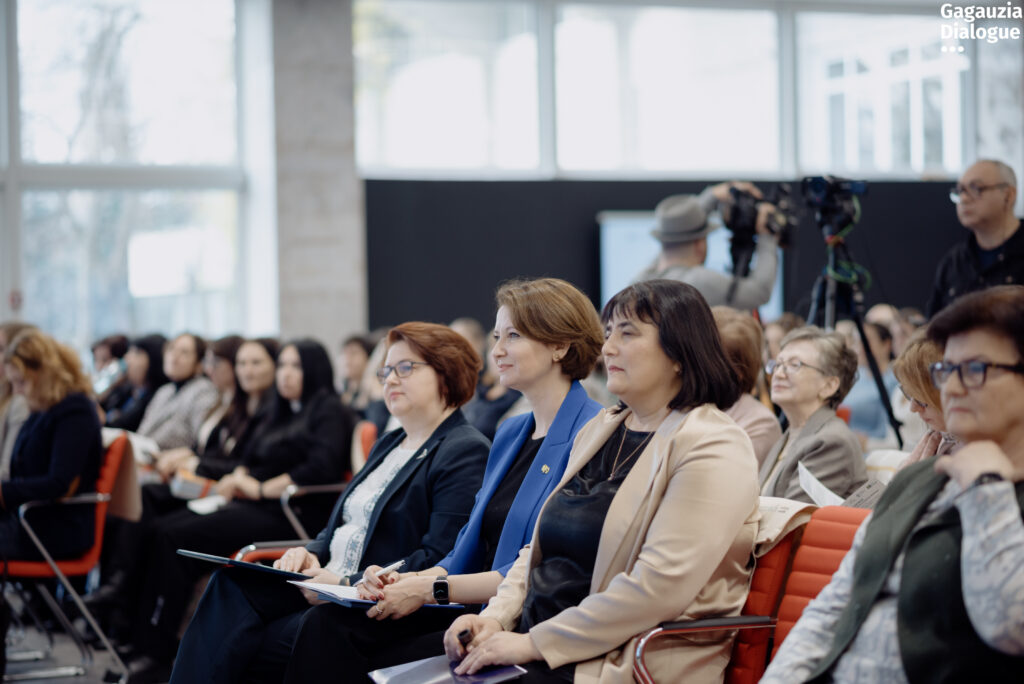
The launch event brought together over 100 representatives from central public institutions, academia, international organisations, and civil society, along with teachers, school principals, and students.
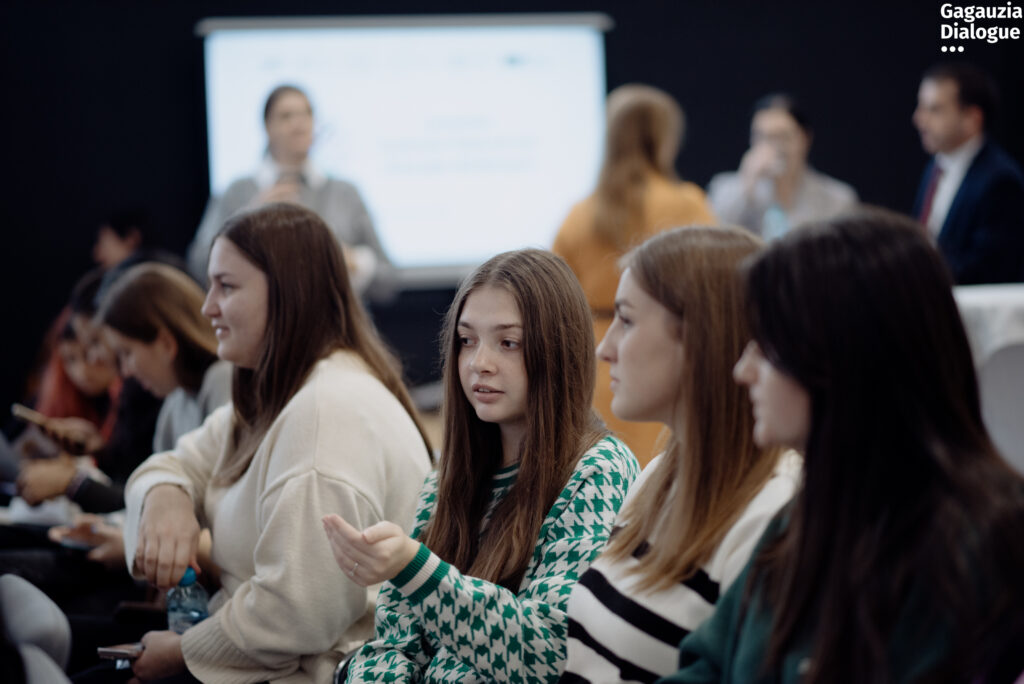
The Center promotes high-quality multilingual education and empowers students to become advocates of multilingual education.
By establishing the Center, the Republic of Moldova takes an important step toward strengthening a modern education system, promoting multilingual education as a model of inclusion, respect for diversity, and personal development for every student.
“The launch of the National Center for Multilingual Education marks a defining moment in the modernisation of the education system in the Republic of Moldova. The Center represents the transition from vision to action, from strategic commitments to concrete mechanisms for the implementation of multilingual education at the national level,” said Valentina Olaru, State Secretary at the Ministry of Education and Science.
“We are pleased to launch the first National Center for Multilingual Education in the country,” said Alexandra Barbaneagra, rector of the “Ion Creanga” Pedagogical University in Chișinău. “We consider this project to be an important event not only at the institutional level, but for the entire education system in the Republic of Moldova, a step towards the development of an inclusive, modern, and future-oriented educational process.”
From left to right: Valentina Olaru, State Secretary, Ministry of Education and Research; Natalia Djandjgava, Country Manager, CMI; Alexandra Barbaneagra, Rector, Ion Creanga State Pedagogical University.
The mission of the Center is to promote high-quality multilingual education, strengthen national capacity through research, training, and the exchange of good practices, and empower teachers, students, and experts to become advocates of multilingual education.
“The establishment of the National Center for Multilingual Education is an important step in supporting multilingual education in the Republic of Moldova, strengthening both educational institutions and broader society,” said Petra Larke, Ambassador of Sweden to Chisinau. “The collaboration between the Ministry of Education and Research, CMI, and the Pedagogical University is a model of interinstitutional cooperation that will benefit teachers, students, and communities across the country.”
Natalia Djandjgava, Country Manager, CMI, said the launch of the National Center for Multilingual Education comes in response to a clear need for institutionalisation and professionalisation of multilingual education. “For CMI, multilingual education is not just an educational policy, it is a tool for building trust, stimulating dialogue, and strengthening social cohesion between communities.”
Teachers and future educators will gain access to training, mentoring, and modern pedagogical resources, while educational institutions will benefit from methodological support to align their programmes with European standards. The Center will also encourage collaboration with civil society and local communities on intercultural education and social cohesion initiatives.
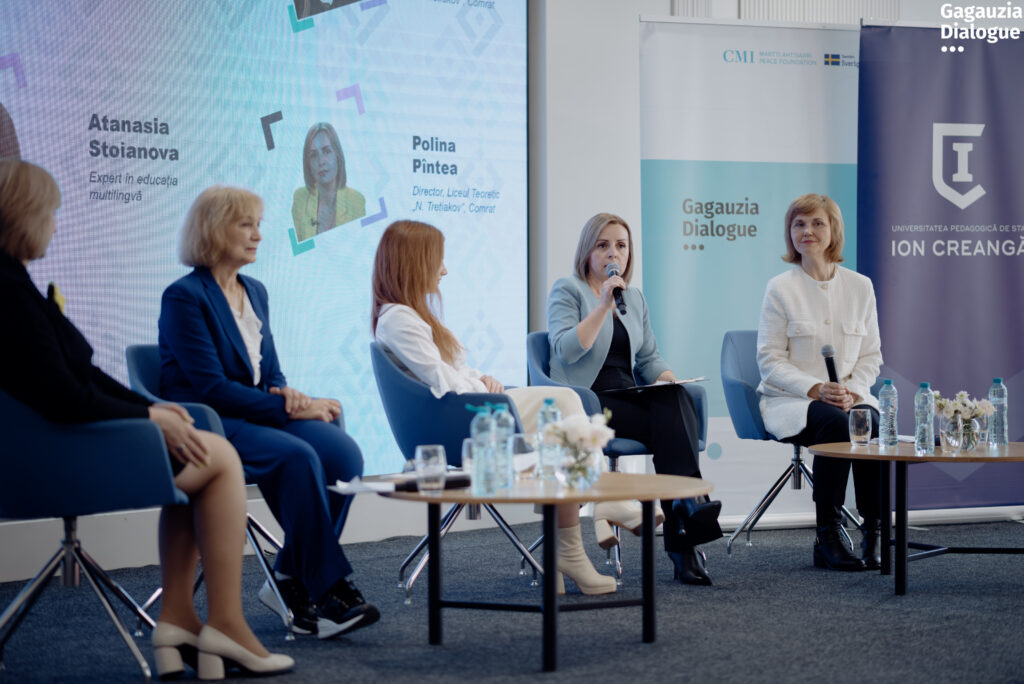
Discussion Panel: “International Good Practices in Multilingual Education and Opportunities for the Republic of Moldova”
“It is a real pleasure to participate in the inauguration of the Center,” said Polina Pintea, director of the N. Tretiakov High School in Comrat, Gagauzia Autonomy. “This Center is a real necessity for all educational institutions that are participating or plan to participate in this multilingual education implementation programme, in order to have access to methodological support and to exchange valuable experience for teachers.”
During the event, a Memorandum of Understanding was signed between “Ion Creanga” State Pedagogical University and CMI, through which the institutions strengthen their cooperation in the field of training and research dedicated to multilingual education.
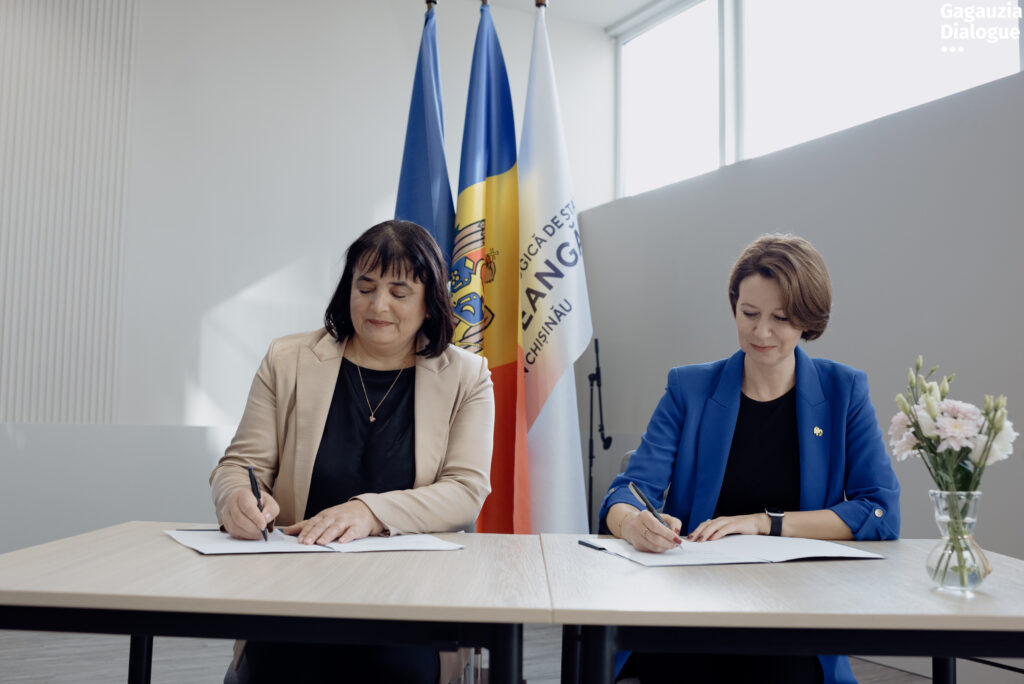
The Memorandum of Understanding was signed between “Ion Creanga” State Pedagogical University and CMI. Pictured: Alexandra Barbaneagra, rector and Natalia Djandjgava, Country Manager, CMI.
The initiative contributes to the development of open, modern, and inclusive education that reflects the cultural and linguistic diversity of the Republic of Moldova and promotes a society in which linguistic diversity becomes a resource for social inclusion and cohesion.
The opening of the Center was made possible thanks to the support of Sweden within the framework of the ‘Gagauzia Dialogue’ project implemented by CMI. The project aims to contribute to establishing a constructive and sustainable dialogue between national and local authorities by strengthening institutions and capacities, bringing together experts, representatives of academia, and stakeholders.