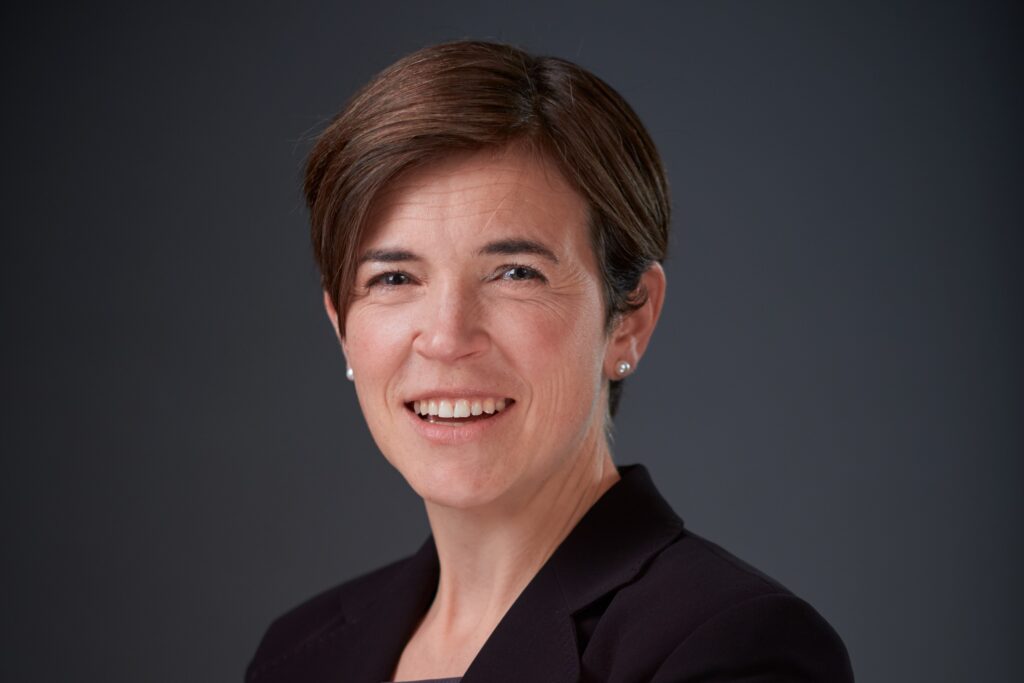
“With shifting defence and deterrence priorities, we remain particularly grateful for the support of our partners, and we continue to make substantive contributions to peace even in the most difficult environments,” writes CEO Janne Taalas in CMI’s Annual Report, reflecting on today’s geopolitical challenges.
The report highlights the ongoing impact of global crises and growing pressure on multilateralism, along with the practical challenges of working for peace in difficult contexts. It also outlines how CMI is adapting its work to new demands and areas of change, including the use of digital tools and growing focus on youth participation.
Headlines
- The European Union became CMI’s largest funder for the first time. The shift signals CMI’s increasing strategic relevance in Europe’s peace and security landscape.
- Technology, particularly artificial intelligence, emerged as a key theme in CMI’s work in 2024, with the Annual Report highlighting several projects that integrated digital tools into peacebuilding processes.
- CMI now operates in more regions than ever before, underscoring the growing demand for CMI’s unique role as an independent, non-state actor.
- ‘Youth in Peacemaking’ was elevated to become a strategic priority, joining Women in Peacemaking and Digital Peacemaking as one of three thematic pillars of CMI’s 2030 Strategy.
- Funding of €17.1 million in 2024 represented an increase of 23% on the previous period and contributed to a strong financial year overall.
Below we summarise some of the key themes that emerged in 2024’s Annual Report.
Global reach and operational scale
CMI supported 18 peace processes in 22 countries or regions during 2024. A total of 19 dialogue platforms were active, and the organisation reached over 20,000 participants in meetings, trainings and other activities. These figures reflect a broadening scope of engagement, particularly in regions where conflict dynamics have grown more complex.
Work ranged from mediation support in Sudan and Yemen, to informal dialogue initiatives in Ukraine, to strategic policy work at the regional level in areas such as the Horn of Africa and the South Caucasus.
A stronger role for multilateral partnerships
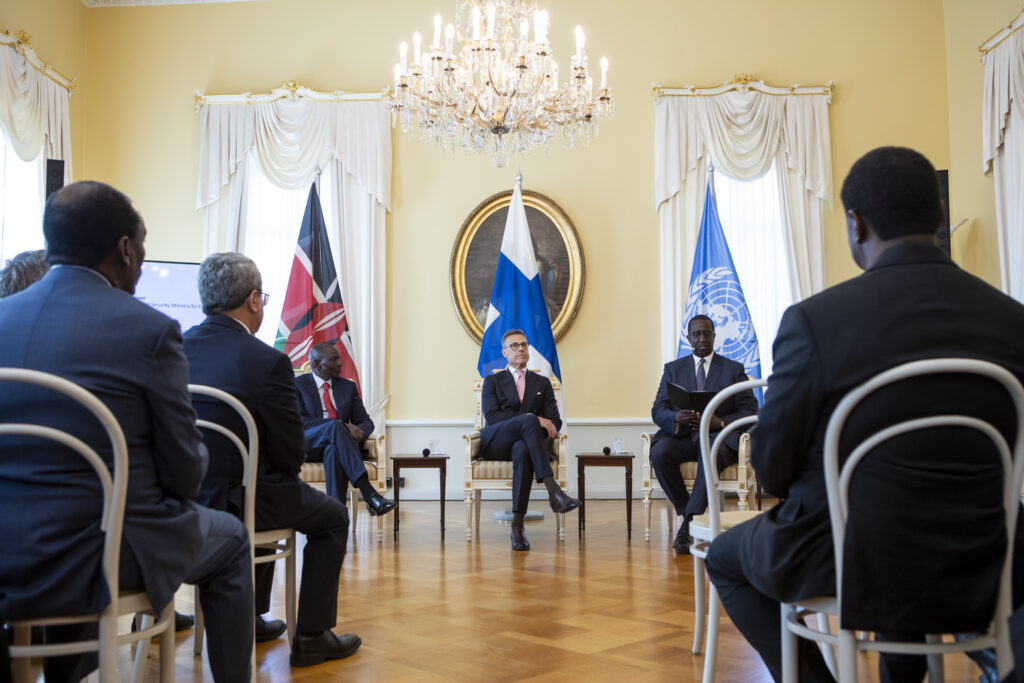
In 2024, the European Union became CMI’s largest funder for the first time, a development that reflects deeper cooperation between the organisation and EU structures. CMI also maintained strategic partnerships with the UN, African Union, OSCE, ASEAN, and other regional organisations.
CMI’s work aims to complement these institutions by providing informal spaces, technical advice, and process design support that can sit alongside official diplomacy. As multilateral actors face growing pressure, this kind of support is increasingly important in both formal and informal peace efforts.
New approaches to technology and conflict
The Annual Report pays particular attention to Digital Peacemaking, with CMI continuing to explore the role of technology in dialogue and mediation. This includes using digital tools to support inclusive processes in Yemen, Ukraine, and Afghanistan, and offering technical input to international partners.
Last year CMI delivered training for the UN Office of the Special Envoy for Yemen focused on the use of artificial intelligence in mediation support. While the report notes that AI is still underused in this field, CMI sees it as an area of both opportunity and risk, particularly in relation to disinformation and trust in peace processes.
Focus on inclusion: Women and youth
CMI continued to prioritise women’s participation in peace processes, particularly in Yemen and Sudan. The report highlights efforts in 2024 to strengthen women’s roles inside political parties, promote gender-responsive language in peace documents, and offer targeted capacity-building.
In addition, Youth in Peacemaking was elevated to become the third strategic priority alongside Women in Peacemaking and Digital Peacemaking, as part of CMI’s Strategy 2030. CMI aims to be recognised as a reliable partner in the Youth, Peace and Security space and has set a goal to increase youth agency in conflict prevention and resolution.
Reflecting on legacy and purpose
Following the passing of founder President Martti Ahtisaari, CMI launched a global seminar series to explore the future of peace mediation. Events were held in Ankara and Brussels in 2024. The series brings together policymakers, peace practitioners and civil society to reflect on evolving peace challenges and the relevance of dialogue in today’s context. The series continues in 2025 and concludes with CMI’s 25th anniversary event in Helsinki.
Financial and organisational overview
CMI’s total income in 2024 was €17.1 million, a 23% increase from the previous year. Funding came mainly from the EU (38%), Finland (36%), Sweden (9%), and other governments. Private donations and fundraising efforts contributed a smaller share.
Most funding was used for programme work in Eurasia, Sub-Saharan Africa, and the Middle East and North Africa. A smaller portion supported thematic projects and core functions. Staff numbers remained steady at 87 employees, with a diverse pool of consultants engaged across various regions. The report also notes continued investment in compliance, staff wellbeing, and digital infrastructure.
Looking ahead
The 2024 report offers a clear picture of where CMI is today. We work across more regions than ever, and we have deepened ties with institutional partners. Furthermore, we have adapted tools and priorities to match the demands of a changing global landscape.
It also shows that the core of CMI’s work remains unchanged: supporting dialogue, building trust, and creating space for peaceful solutions, even in difficult and divided contexts.