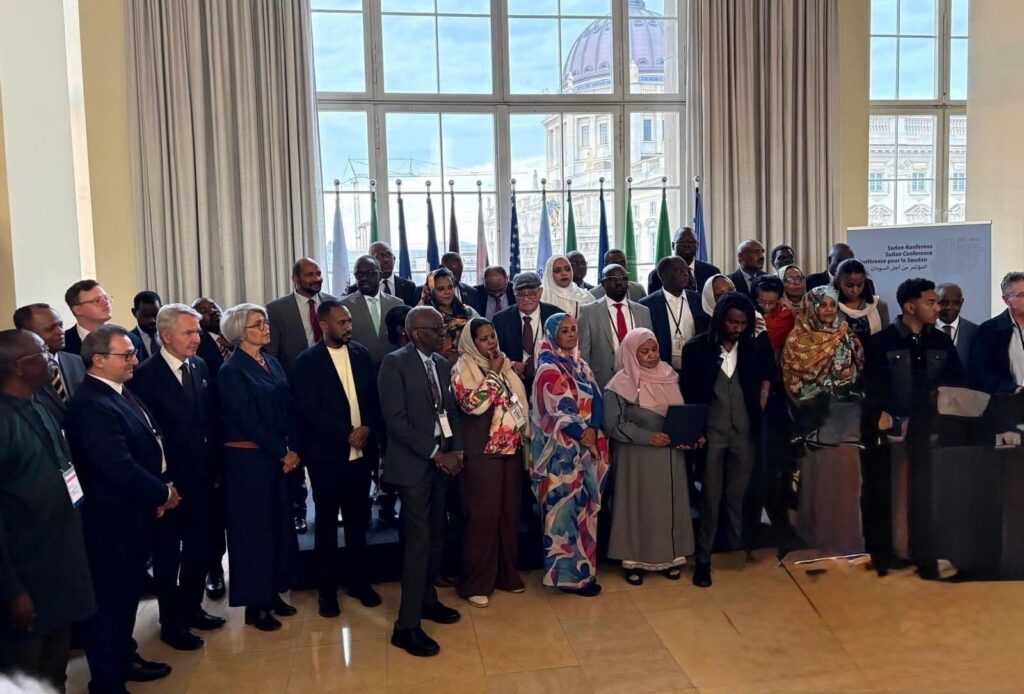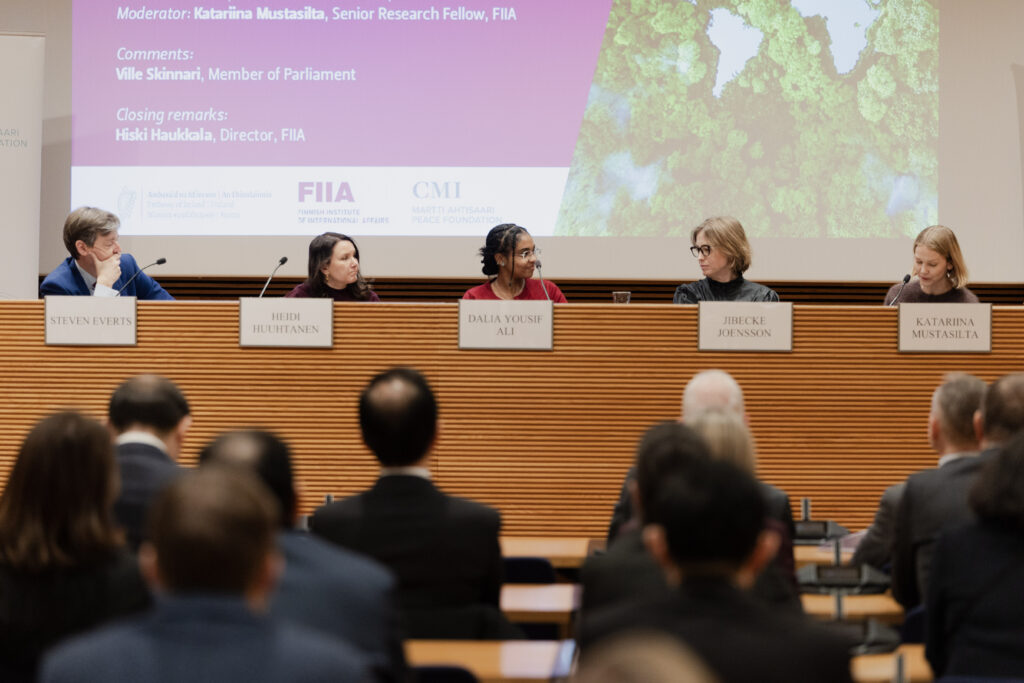
Since the outbreak of conflict in Sudan in April 2023, Sudanese women have played an indispensable but largely unrecognised role in the country’s struggle for peace. They have been at the forefront of efforts to heal a nation torn apart by war: advocating for the cessation of violence; helping to de-escalate tensions; and supporting displaced families and communities. Yet, despite the long history of political activism and community leadership among Sudanese women, they continue to be systematically excluded from formal ceasefire negotiations and wider political processes.
In the few attempts to include women’s voices in official efforts to achieve a ceasefire or resume a political process, frustration has been expressed by Sudanese women regarding the lack of transparency in the selection process and the absence of clear selection criteria and nomination procedures. Inclusive and criteria-based selection helps bring forward women with legitimacy, diverse expertise, and strong community linkages; especially those from conflict-affected areas. It also ensures stronger linkages to their constituencies.
A shared women’s agenda, meanwhile, enables participants to advocate collectively for gender-responsive ceasefire provisions and broader political priorities, such as protection, accountability, and services. Together, these tools help embed women’s voices and priorities in shaping a more inclusive and sustainable peace. Recognising this urgent need, CMI – Martti Ahtisaari Peace Foundation has recently been supporting Sudanese women to shape their role in the country’s future peace and political negotiations with a multi-pronged approach unfolding online and in person.
After the Nairobi workshop an outcome document was published comprising selection criteria and a women’s agenda.
What is CMI organising, and why?
The structured, multi-step process aims to help Sudanese women leaders agree on clear, fair, and transparent criteria for who should represent them in formal and informal peace discussions. “Without any selection criteria, women’s participation risks being ad hoc, limited to token representation, or subject to political manipulation,” says Ilmari Luna, Project Officer at CMI. “Ultimately undermining the credibility and legitimacy of the process.”
The foundation’s approach began with an online survey conducted in March 2025 that received responses from 313 women. A wide network of Sudanese women’s groups and leaders – both within Sudan and in the diaspora – answered with their views on what fair representation should look like and what collective messages they wish to take to future negotiations.
This initial step was followed by a series of online consultations with key women’s organisations and political parties and movements to test and refine the survey’s findings. This inclusive groundwork laid the basis for a significant milestone: a two-day workshop held in Nairobi, Kenya, on 2–3 June 2025.
Who participated and what did they aim to achieve?
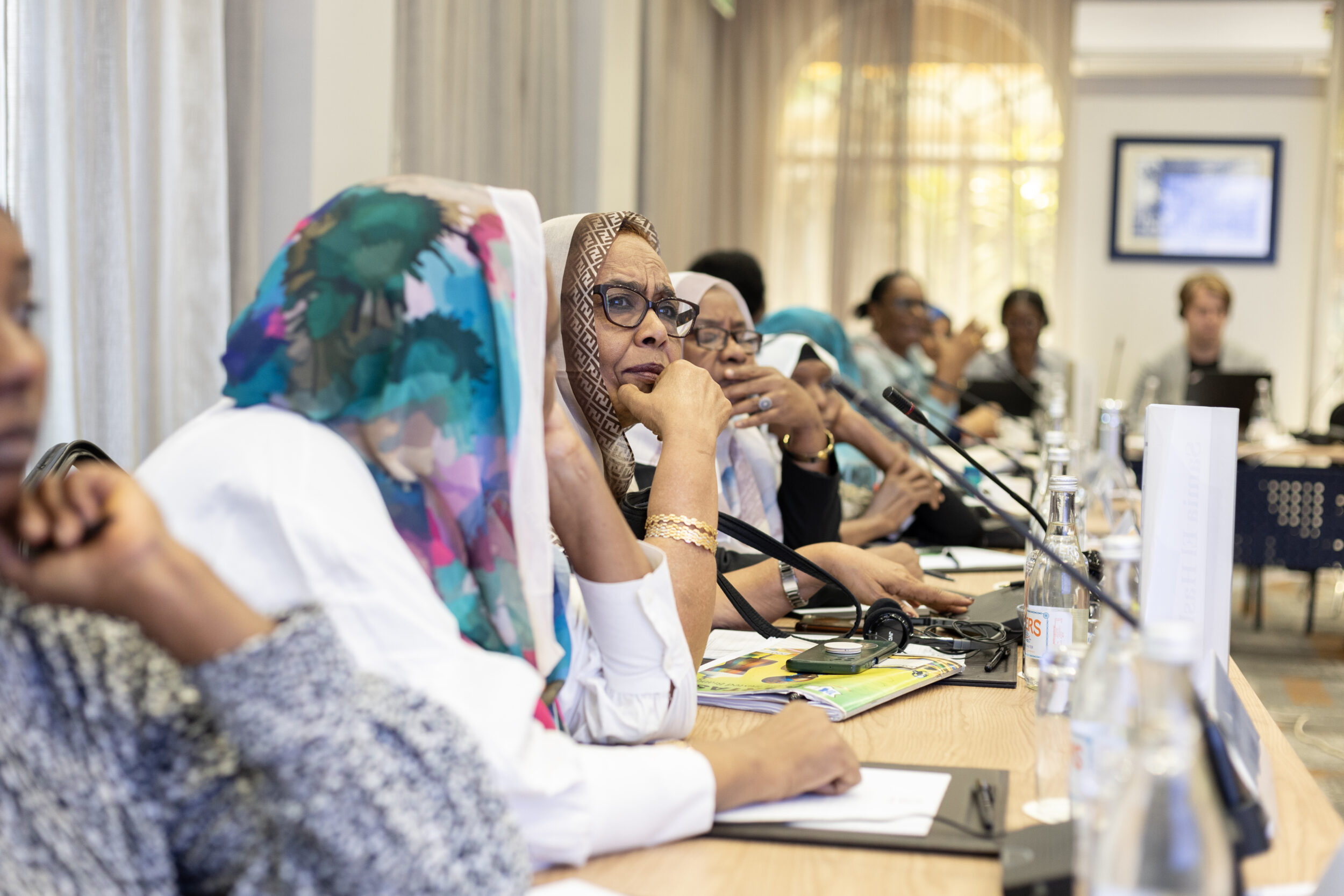
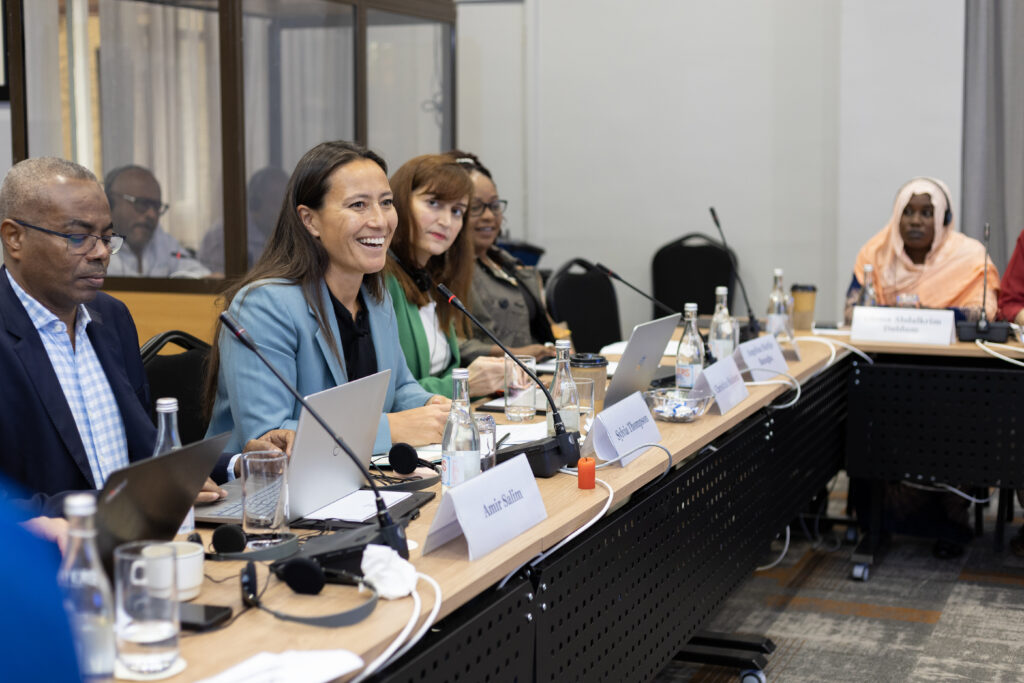
The Nairobi workshop brought together Sudanese women leaders and representatives from a diverse range of networks, alliances, political parties, and movements. The aim? Not only to build consensus on selection criteria, but also to foster unity and a shared sense of purpose, and a joint women’s agenda, among women from different regions and political affiliations.
Participants discussed lessons they had learned from other conflict-affected countries; they shared experiences of building coalitions; and debated how women’s participation should be designed to be both meaningful and effective. At the heart of the discussions was the recognition that, to shape Sudan’s future, women must be able to select their own representatives based on principles and criteria that they define themselves.
What did the process deliver?
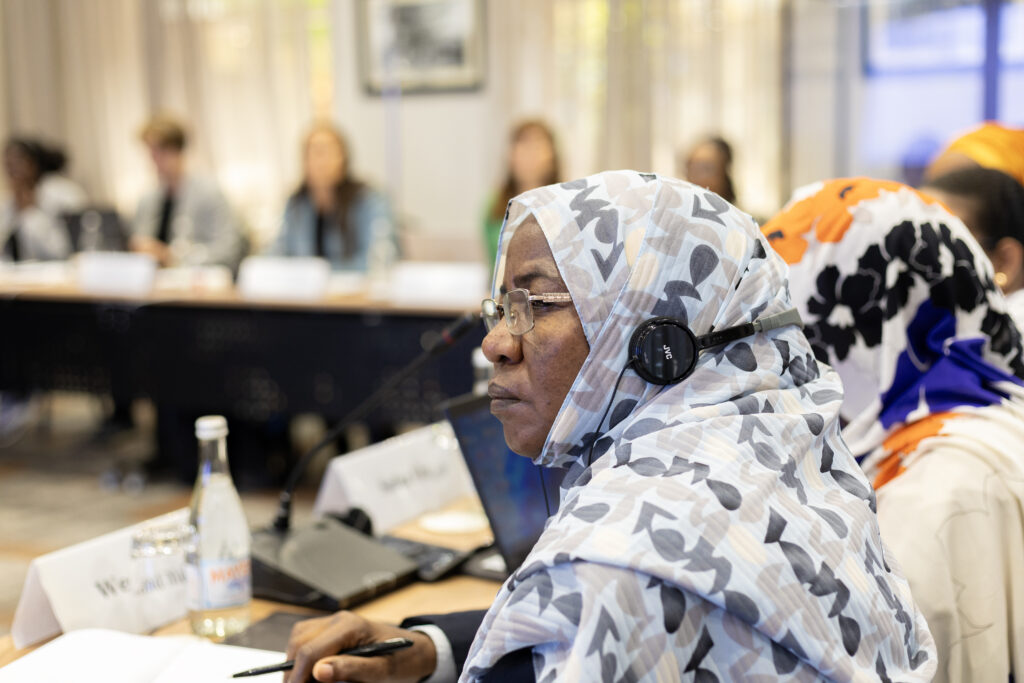
Participant at the workshop in Nairobi.
The workshop and surrounding consultations culminated in an outcome document that sets out:
- Key principles for women’s participation in peace and political processes in Sudan;
- Criteria for selecting the women who will participate in formal and informal talks;
- Guidelines for choosing the organisations and networks that will be entitled to nominate representatives;
- And a clearly articulated Sudanese women’s agenda for the peace process: this is a set of agreed messages and priorities that women will bring to the negotiating table.
“This document is intended to serve as guidelines for the mediation structure and women leaders in Sudan,” says Sylvia Thompson, Senior Manager at CMI. “It provides a shared framework for the selection of women representatives, while emphasising the importance of nomination processes, and strong awareness around constituencies and feedback loops. It also presents a minimum level of agreement on a women’s agenda, among women across political divides.”
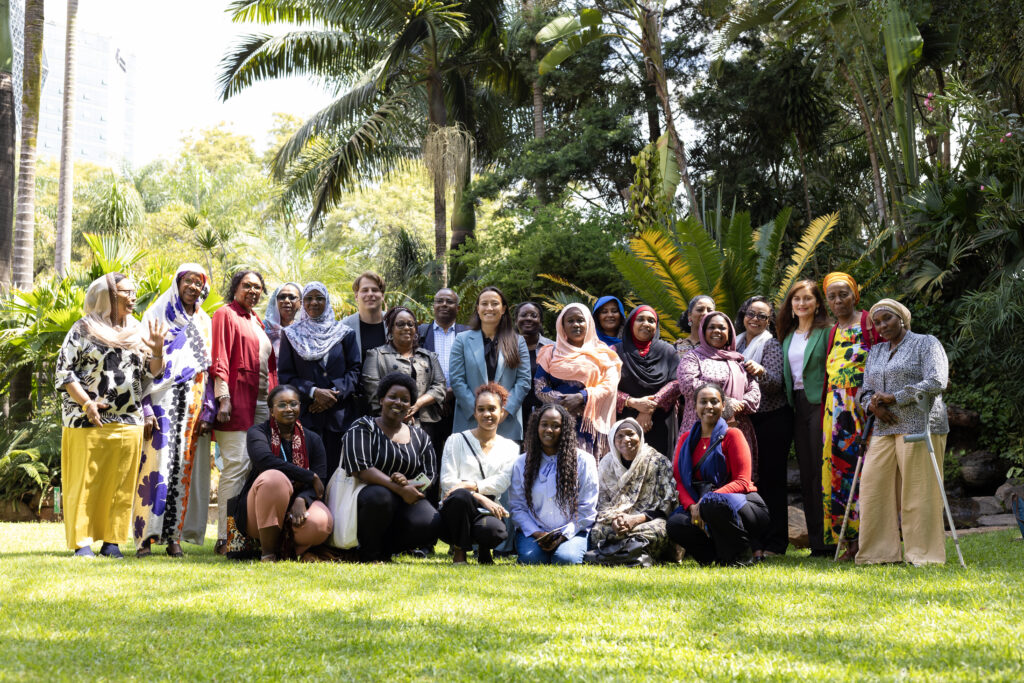
Participants at the Nairobi workshop held in June 2025.
What happens next?
Importantly, CMI’s work does not stop with the Nairobi workshop because building consensus requires ongoing work. The process will continue with further validation, consultations and dialogue among Sudanese women, alongside presentation to, and coordination with, national, international and multilateral mediation actors. The goal is to embed the agreed principles and selection criteria into the wider peace and political negotiations that are essential to Sudan’s future. However, the outcome document is a living document that will continue to develop and broaden as it gains further support from more women groups and leaders.
Why does this matter?
History shows that when peace processes fail to include women, they fail to account for the needs and experiences of half the population: leaving societies more vulnerable to renewed conflict and instability.
By supporting Sudanese women to organise, define their collective voice, and establish transparent mechanisms for representation, CMI is helping lay the groundwork for a more inclusive, legitimate, and durable peace in Sudan.
This project was made possible with the generous support of the Kingdom of the Netherlands.