CMI – Martti Ahtisaari Peace Foundation, the Embassy of Ireland, and the Finnish Institute of International Affairs (FIIA) held a briefing event on January 28th, 2025, bringing together experts to discuss critical issues in peace and security, while looking at the changing landscape of peacemaking, with special emphasis on the role of women in peacemaking. The event was organized in Helsinki, Finland and a recording of the event can be found at the bottom of the article.
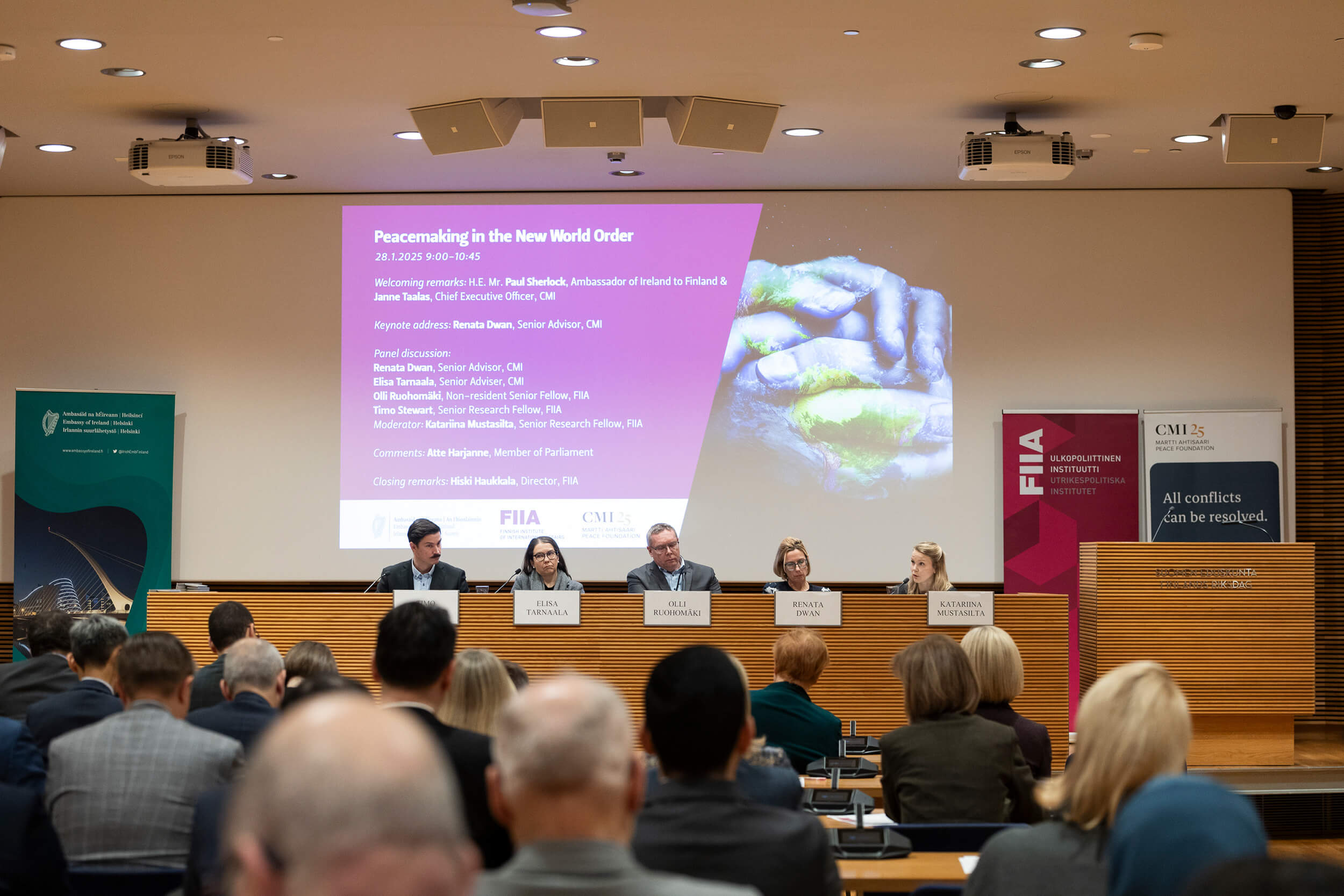
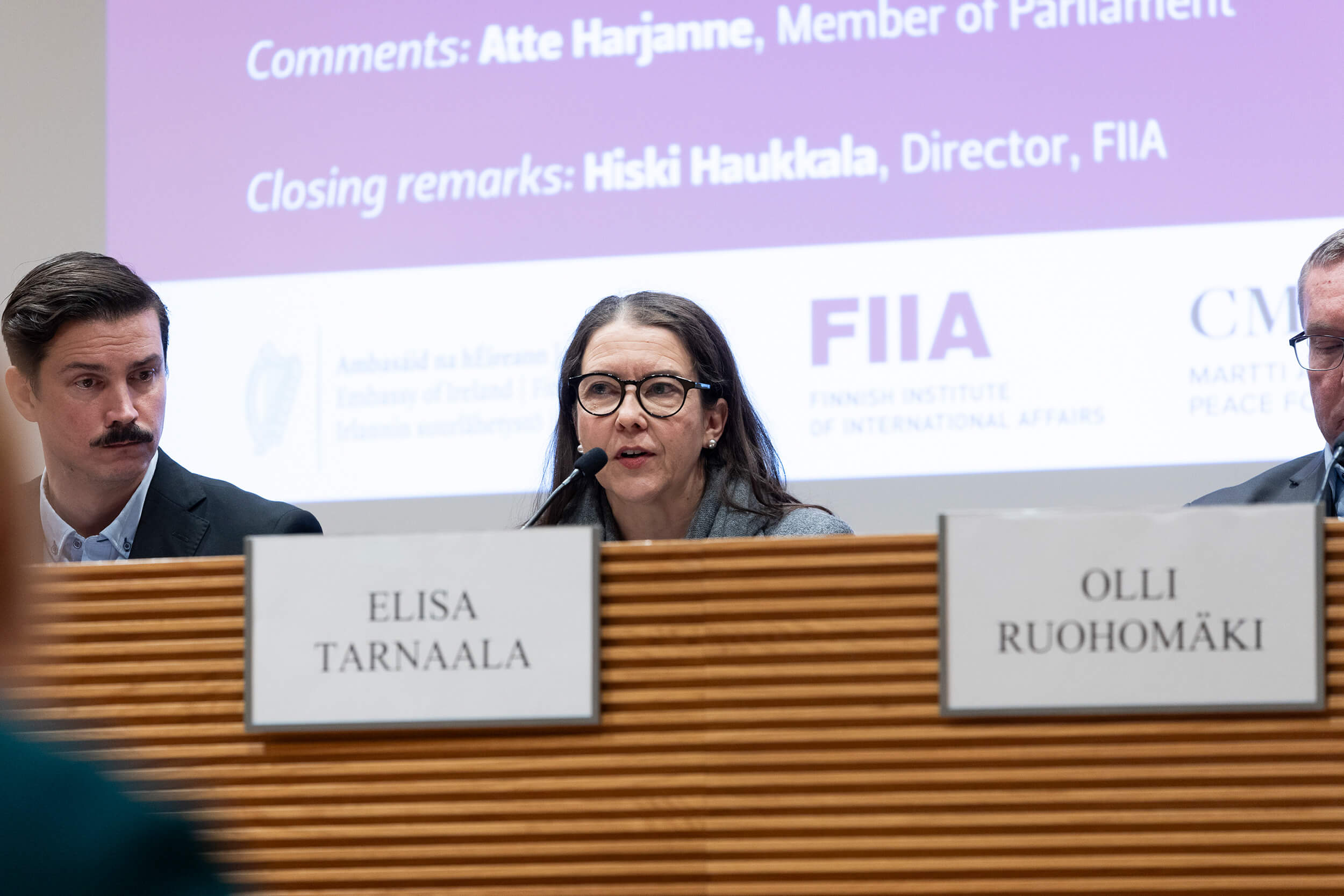
Moderated by Katariina Mustasilta, Senior Research Fellow at FIIA, the expert panel featured insights from Renata Dwan, Senior Advisor at CMI; Elisa Tarnaala, Senior Adviser at CMI; Olli Ruohomäki, Non-resident Senior Fellow at FIIA; and Timo Stewart, Senior Research Fellow at FIIA. photo Maria Hossain Santto / CMI
The global order is undergoing significant change, with a decline in multilateralism and growing geopolitical fragmentation. Global norms are shifting and there is increasing uncertainty surrounding the future direction of global affairs. The need for peacemaking actors to adapt to these changes and make the most of the approaches available was at the heart of the event, with the panelists discussing the opportunities and challenges arising from the new world order. The discussions were led by keynote speaker Renata Dwan, Senior Advisor at CMI and former Deputy Director of Chatham House with an extensive career at UN in leading positions.
“Conflict resolution today is more complex, more challenging, and more competitive, but it is also more critical than ever. In 2024, we saw more state-based conflicts than at any time since 1946 and new levels of lethality. This surge in conflicts highlights the need for more effective peacemaking strategies.
A more diverse and pluralistic peacemaking environment has potential benefits, bringing knowledge, relationships, cultural understanding, skills, and new ideas. New and more diverse peacemakers can also bring influence and resources to help bring the parties of the conflict to the table. However, in many cases, it can diffuse and fragment efforts, and competing peacemakers can lead to less impact,” said Renata Dwan, Senior Advisor at CMI in her keynote address.
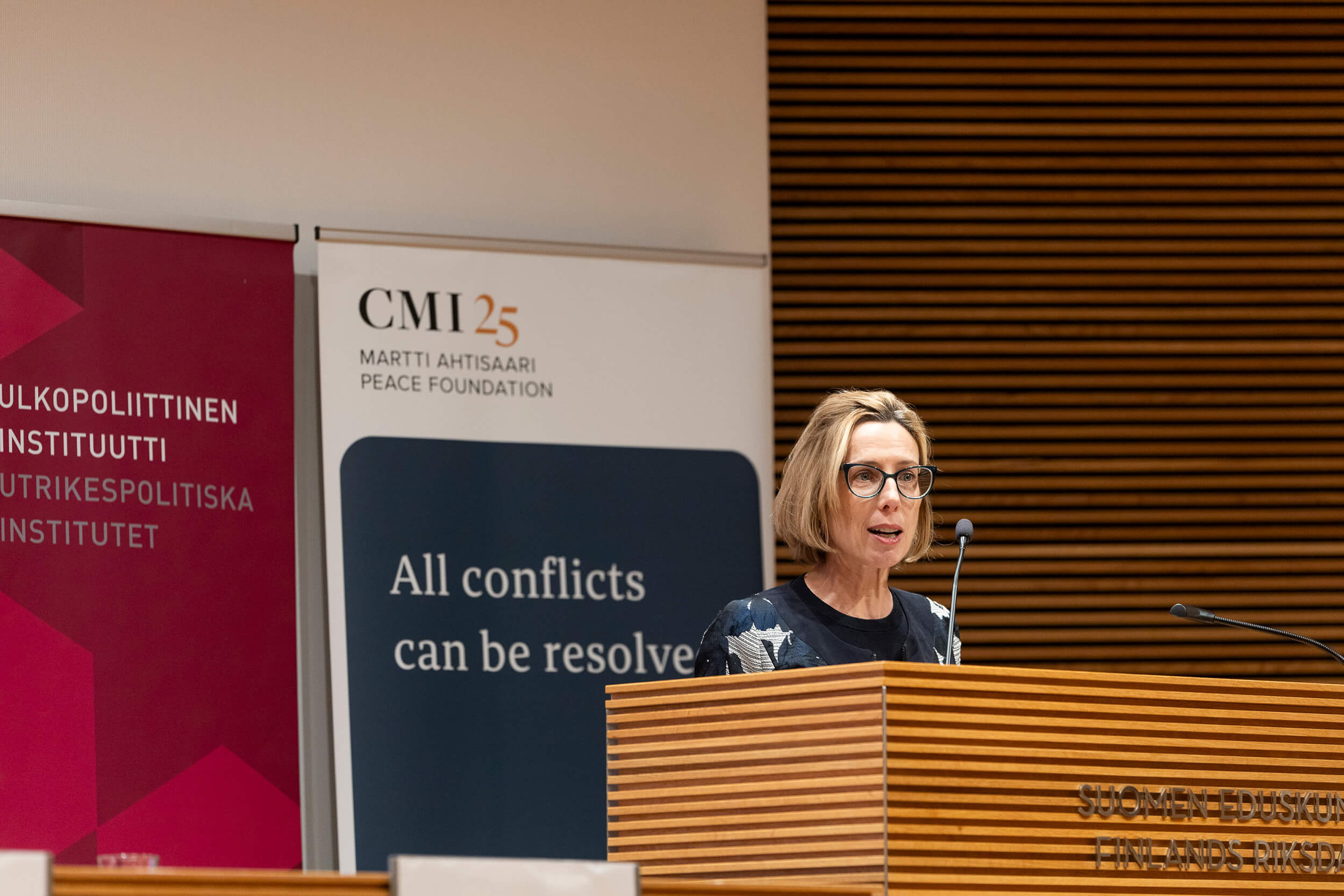
Renata Dwan, Senior Advisor at CMI gave a keynote address at the event emphasising the need for more effective peacemaking strategies to respond to the surge in conflicts we are seeing. photo Maria Hossain Santto / CMI
With a focus on current conflicts—particularly in Ukraine, Sudan, and the Middle East—the panelists delved deep into the future of peacemaking and the increasing complexity of conflict dynamics. One of the central themes of the discussion was the shift from traditional UN-led peace processes to more diverse methods involving new alliances, middle powers, and independent actors gaining more influence. More often, conflicts are taking the form of “internationalized intrastate”, and the role of technology in both warfare and peacemaking is changing rapidly. The discussions called for innovative solutions and an openness to new actors and approaches. They also stressed the importance of multilateralism.
“Multifaceted uncertainties in the world open a space for new forms and actors in peacemaking. My hope is that new forms of technology give us opportunities and tools to foster new forms of agency and to have a better understanding of our world. This would help us better grasp how to affect it for the better,” noted Hiski Haukkala, Director of the Finnish Institute of International Affairs in his closing remarks.
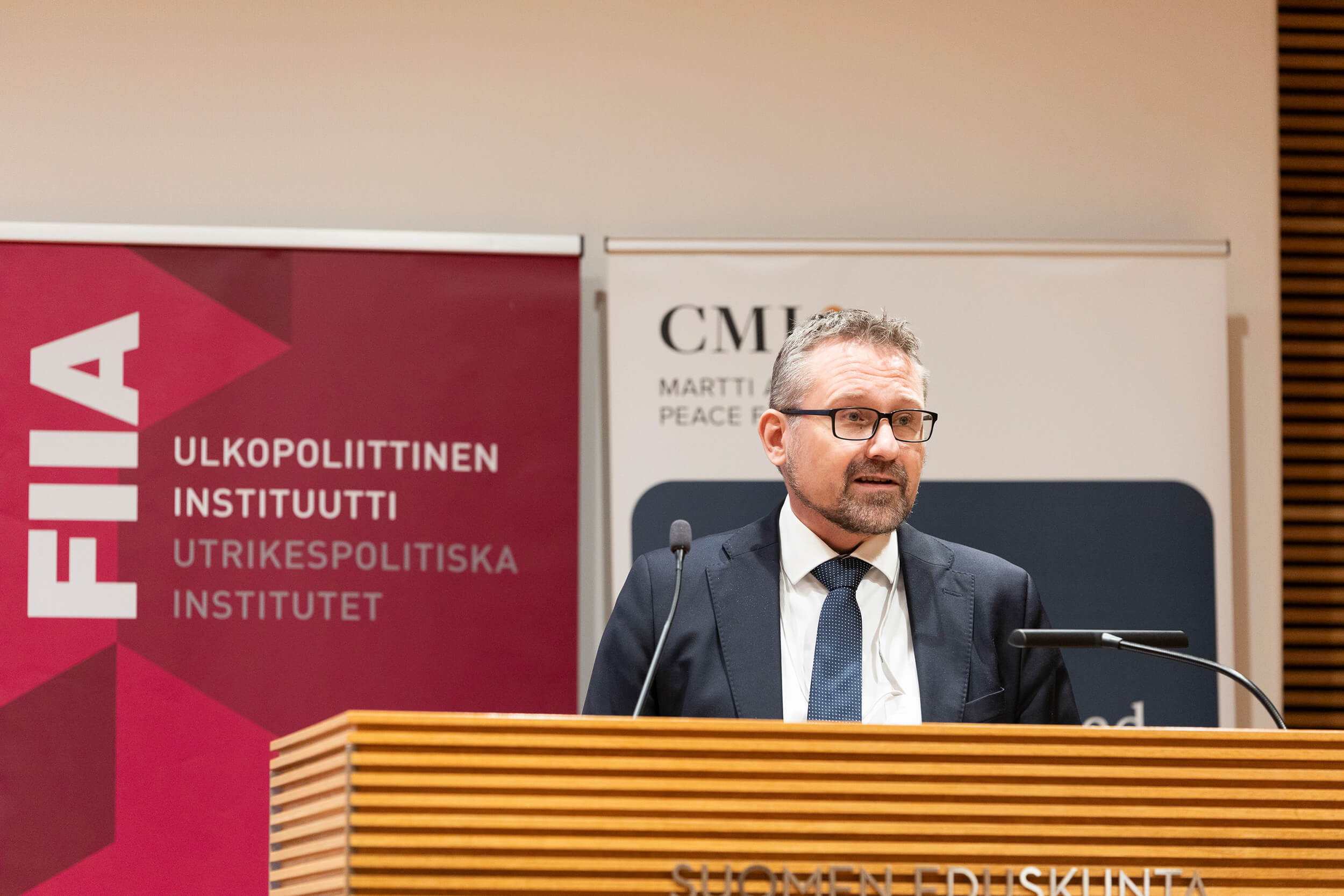
Hiski Haukkala, Director of the Finnish Institute of International Affairs spoke of his hope that new forms of technology give us opportunities and tools to better understand the world and ways to affect it for the better. photo Maria Hossain Santto / CMI
With shared norms, once foundational to global cooperation, beginning to erode, the peacemaking field faces multiple operational challenges, also related to inclusivity. Special attention was given by the panelists to the situation of women in peacemaking. The challenges women face as mediators and activists for peace, have only intensified, underscoring the need for more inclusive strategies in conflict resolution.
The event marked the 25th anniversary of the Women, Peace and Security (WPS) Agenda, an initiative that has been a cornerstone in advocating for the inclusion of women in peace processes worldwide.
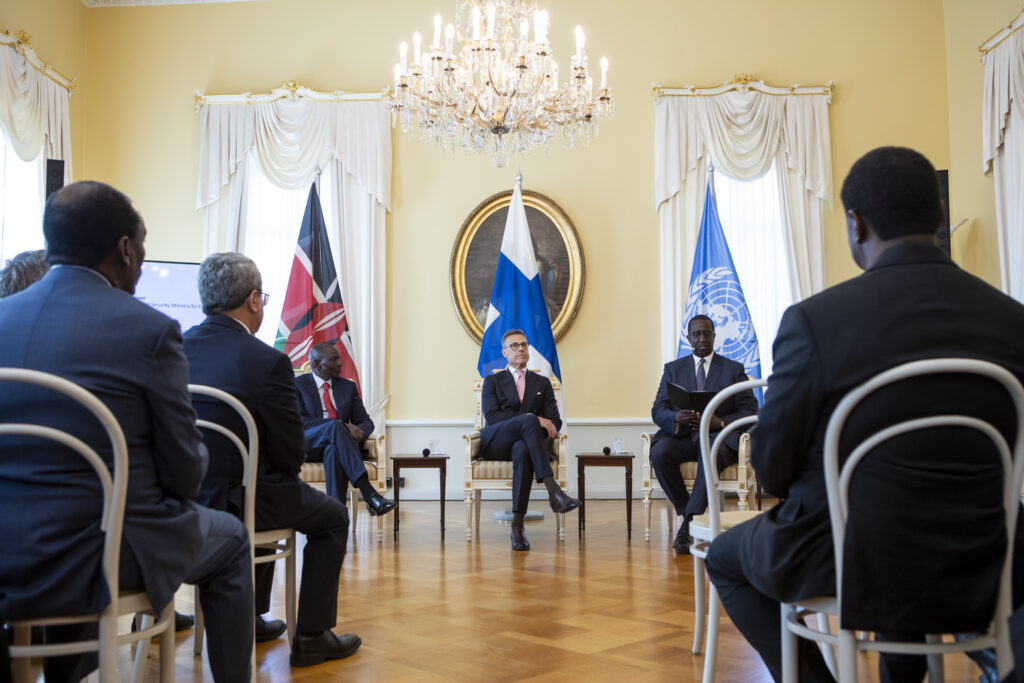
“When we look at today’s conflicts and situations that appear beyond resolution, we must remember that the possible exists within the impossible. My childhood and teenage years in Ireland were shaped by the conflict in Northern Ireland and with a sense that the violence would never end. But through difficult choices, hard compromises, and strong political leadership we achieved what some thought impossible and now a whole generation in Northern Ireland has grown up free from the horrors of violence,” reminded H.E. Mr. Paul Sherlock, Ambassador of Ireland to Finland in his welcoming remarks.
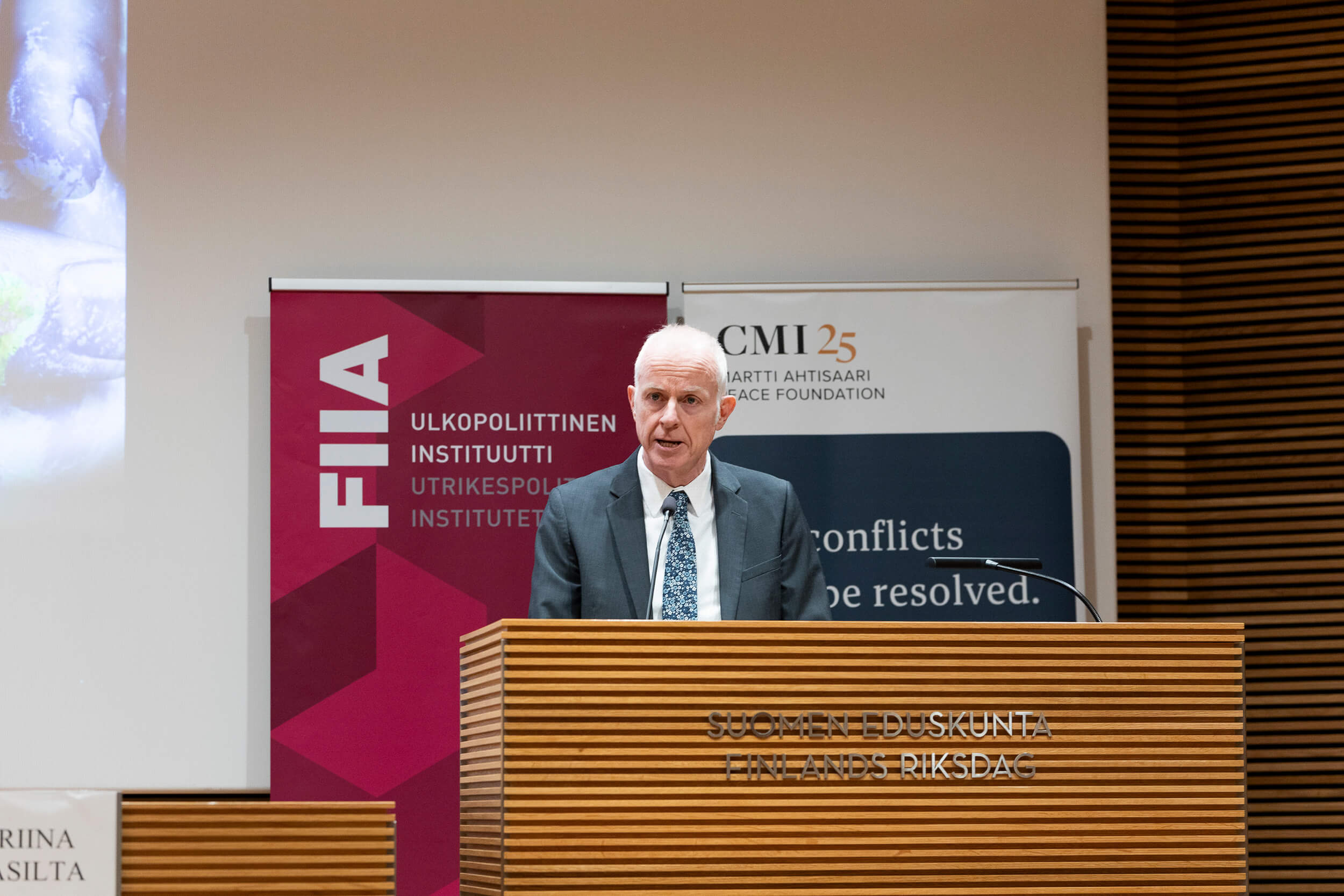
H.E. Mr. Paul Sherlock, Ambassador of Ireland to Finland opened the event with his opening remarks. photo Maria Hossain Santto / CMI
The landscape is shifting, but CMI’s commitment to building a more peaceful, inclusive, and just world remains steadfast.
“CMI will continue to be guided by President Martti Ahtisaari’s principles that have served us well for 25 years. They allow us to keep our eye on the ball even when the playing field is changing. That is, the only parties that can make peace are the parties to the conflict, and we must ensure the inclusion of all relevant parties in the discussion. Remembering that peacemaking is essentially teamwork, we must involve everyone who can impact the peace process to ensure it lasts,” said Janne Taalas, CEO of CMI.
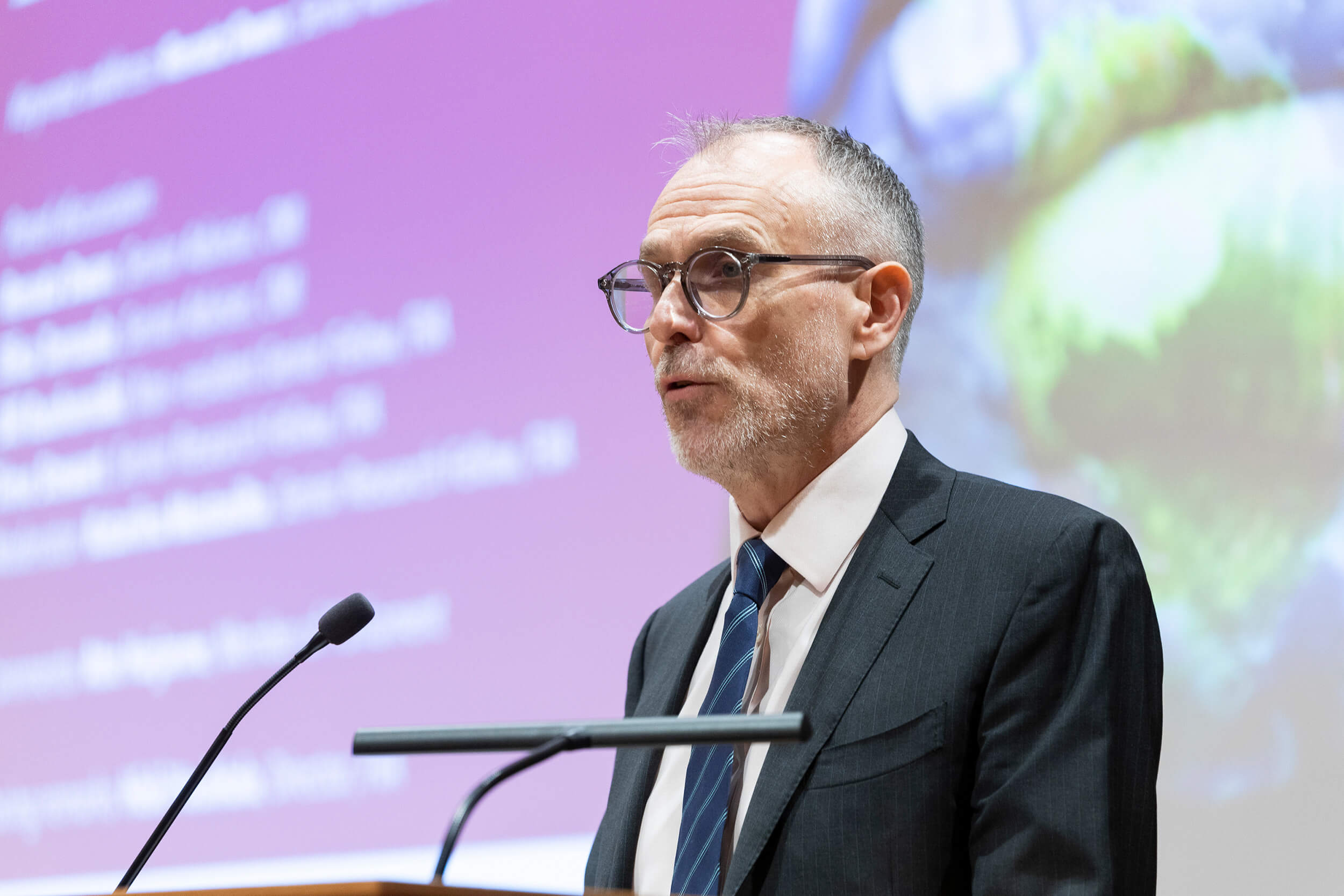
Janne Taalas, CEO of CMI called for the importance of inclusion of all relevant parties in the discussions as peacemaking is essentially teamwork. photo Maria Hossain Santto / CMI
The event in Helsinki also marked the beginning of CMI’s 25th Anniversary Year—a significant milestone in CMI’s journey to promote peace globally. The year continues with several events around the world, including CMI’s Legacy Seminar Series, bringing together experts to spark dialogue on the future of peacemaking in a context where the space for discussing peace has narrowed.
The recording of the event can be viewed here: