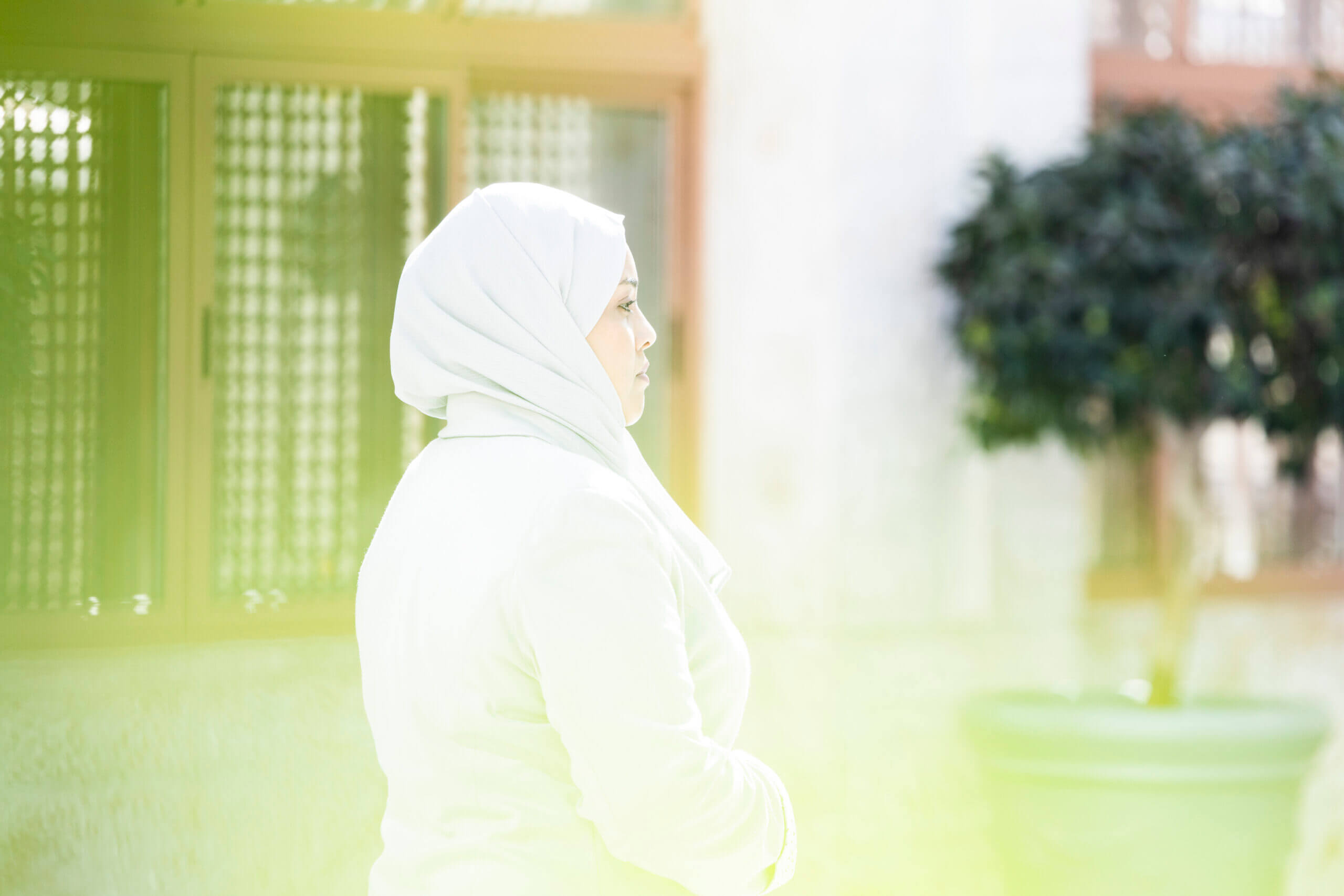
Ten years of war have severely weakened political life, undermining its role as a peaceful foundation for society in Yemen. CMI is supporting the country’s political parties in restoring their standing, with a strong emphasis on empowering women as a crucial step toward lasting peace. During a workshop held in Amman, Jordan, in November 2024, politicians shared their perspectives on how to strengthen women’s role in politics.
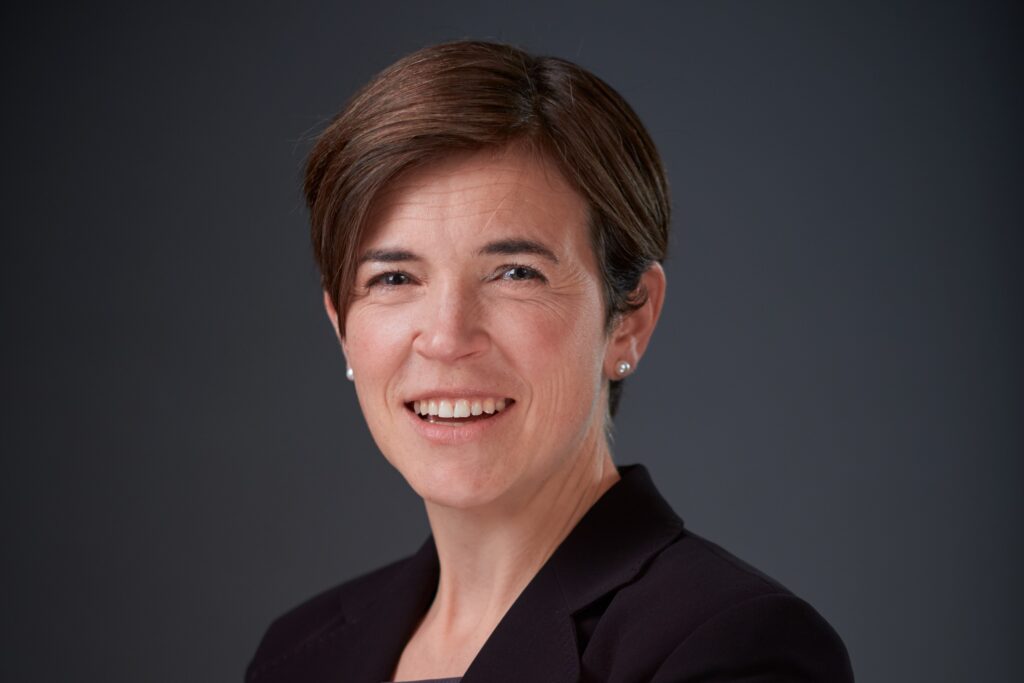
Ahad Saleh Abdulkareem Al-Kasadi, 30
Head of the Department of Rights and Freedoms in the Secretariat of the Yemeni Socialist Party in Hadramaut Governorate
picture Maria Hossain Santto / CMI
“The first obstacle to women’s participation in politics in Yemen is that their roles are restricted to traditional expectations. We rarely see women involved in critical and sensitive departments within political parties. For instance, women hardly ever work in political or economic departments, and they rarely participate in military or diplomatic matters. This means women are often unaware of or uneducated about these issues.”
“I believe we can overcome these obstacles by supporting women’s representation in political departments within the parties and involving them in military matters as well. We can educate women on these topics by conducting workshops, for example. Through these workshops, we can also better understand the mindset of women and how they perceive these issues. Women have a deeper understanding of the conflict and its impact on their lives because they are among the most affected by what is happening.”
“The overarching goal of CMI’s project, as well as the workshops organized since January 2024, has been to engage women directly in political parties and in political life, thereby supporting and strengthening their political agency. We have worked effectively to facilitate a shared vision for Yemen’s political life and activities to achieve that vision. These discussions, in turn, have strengthened women’s roles and activism.”
“We should not be discouraged by the situation in Yemen. Our goal is to break the ice between different political parties by fostering dialogue. This dialogue will eventually lead to de-escalation or, at the very least, prevent further escalation of the situation.”
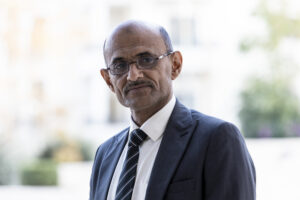
Aref Mohammed Naji Qaid, 50
Member of the Political Department in the Islah Party
picture Maria Hossain Santto / CMI
Expanding the political space for women
- CMI recognizes the indispensable role of women in building and sustaining peace, and we work to expand the political space for women to contribute to peace efforts as political agents.
- In Yemen, CMI’s current project supports the country’s political parties, with a strong focus on women’s meaningful empowerment as a prerequisite for lasting peace.
- The project is a continuation of CMI’s long-standing engagement with Yemeni political actors. CMI has been working in Yemen since 2011.
- The project has advanced women’s meaningful participation by increasing their status within their own parties, for instance. It has also helped the UN enhance the inclusivity of the formal peace process in Yemen.
“Through the activities of NGOs like CMI, we can build the political agency of women. We need more such activities to support women in becoming active participants in political decision-making. This can also be achieved by raising awareness among political party leadership about the importance of women’s engagement and participation. Additionally, we need to educate women leaders about their rights and how to achieve them.”
“There has been a change in women’s political status in Yemen, although it remains limited. Some women have reached parliament, and others have served as ministers in governments before the war. Yemeni women have also reached leadership positions within political parties.”
“Women are half of society, and we believe they will play a significant role in building peace through their work in politics, official positions in government, and in the media. Women are the sisters of men, and there is no doubt that they must be involved in any decision that is made.”
“What I have realized through my participation in this series of workshops is that the political agency and process in Yemen cannot progress without women’s political participation. If one day I become a decision-maker within my political party, I will work to empower women significantly.”
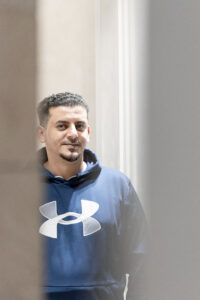
Naif Hamood Al-Ezzi Saleh, 38
Member of the Political Bureau in the Justice and Construction Party, Central Committee of the party representing youth
picture Maria Hossain Santto / CMI
“With regard to women’s participation in politics in Yemen, we must be fair. If we look back at Yemen’s history, we will find that women actually ruled the country. For example, Queen Bilkis ruled Yemen for a long time. Women were not marginalized until the 1990s, which paved the way for the revolution in 2011, where women gained political representation. The recent obstacles emerged after the war, as political parties, women, and youth were harassed and suffered from the shrinking of political space.”
“We must end this backward mentality that insists women’s place is at home. It is impossible to talk about solutions if we do not eliminate this way of thinking. In my view, women are the main pillar, the foundation of society—the mother, the sister, the wife. They are the ones who raise future generations. When women participate politically, they will be able to raise a generation that is politically aware.”
“This CMI workshop is the greatest proof that there is hope. We see true representation of women and youth, which gives us hope. We hope that the international community and all the forces influencing our country will put pressure on political parties and the government to ensure women and youth are represented.”
“As politicians, we must overcome the mistakes of the past. Every political party, every person, needs to make real concessions to others. We must strive to avoid this culture of violence and confrontation. It has been 10 years of conflict. What have we actually achieved?”
Text: Antti Ämmälä