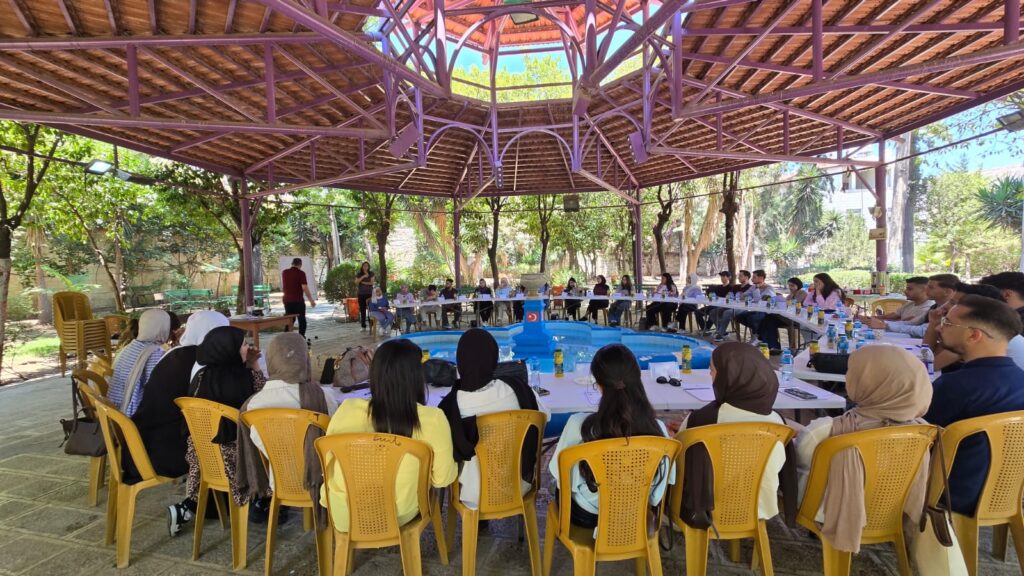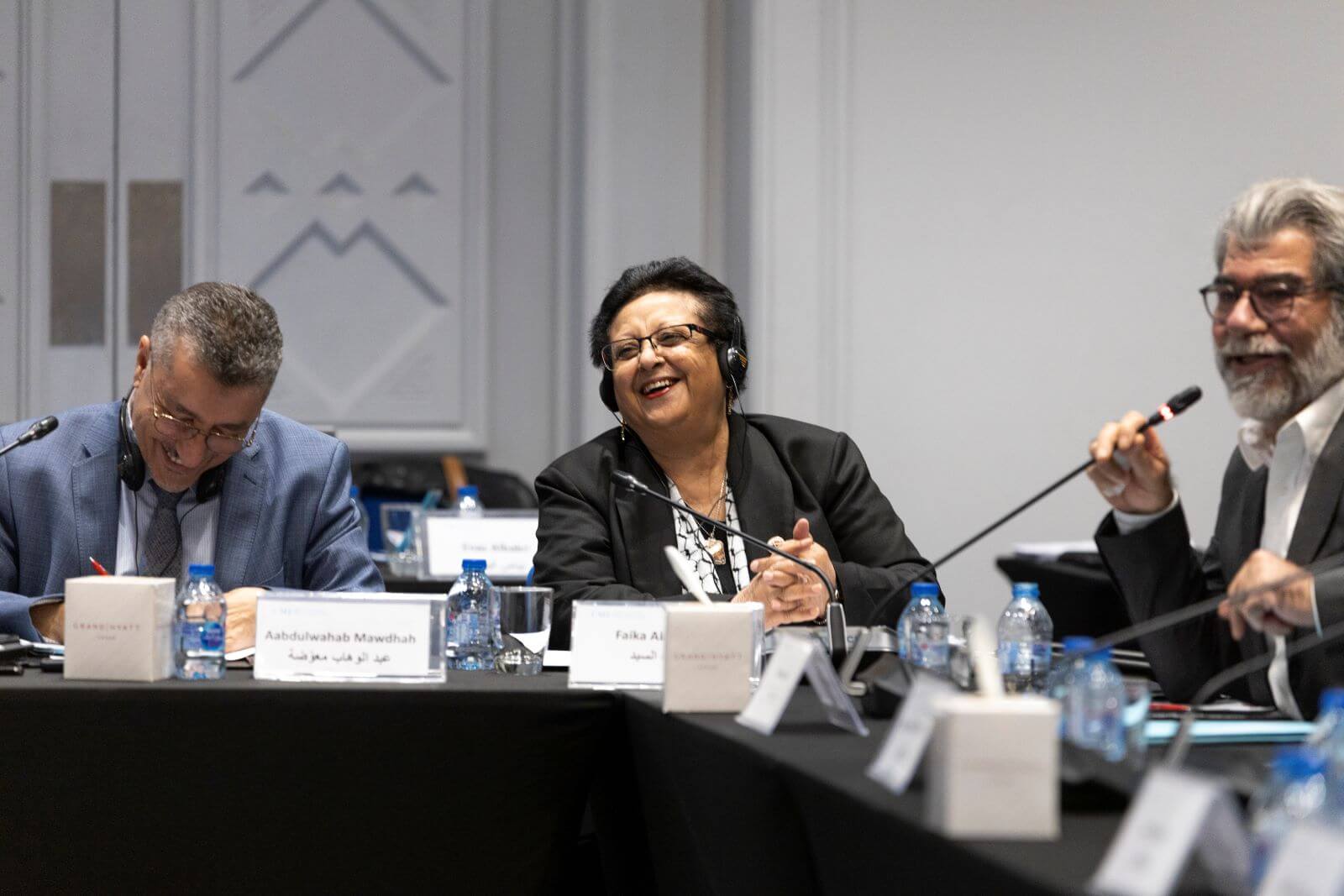
On 10–11 November, CMI organized a workshop where key political parties in Yemen agreed on a joint vision for strengthening political agency in the country. The action plan was presented to the international community. “With this vision, we will not return to the cycle of violence and will embed a culture of peace,” emphasized one politician.
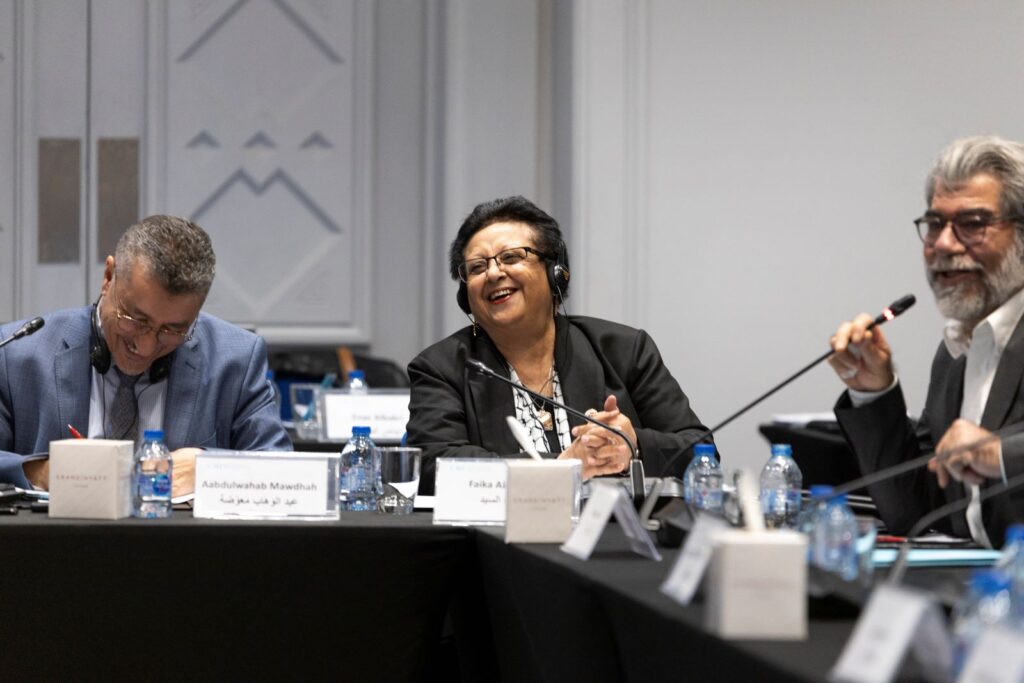
Held in Amman, Jordan, this workshop marked CMI’s continued support for dialogue between political parties and inclusive decision-making in Yemen, with a strong focus on women’s meaningful empowerment as a prerequisite for durable peace. The workshop brought together representatives from seven key political parties, with a significant presence of women politicians. The workshop concluded a year-long vision-building process, bringing together the parties and their respective leadership.
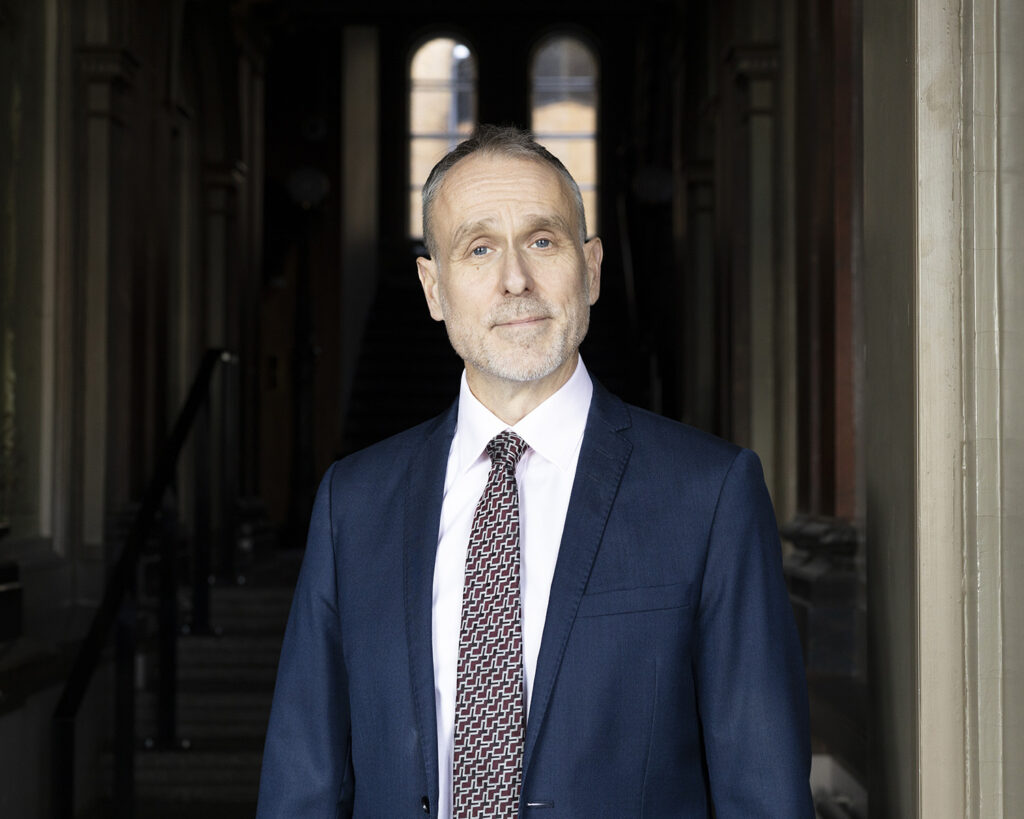
This workshop constitutes a continuation of CMI’s long-standing engagement with Yemeni political actors. CMI has been working in Yemen since 2011. “We firmly believe that all conflicts can be resolved,” said CMI Project Manager Julia Pickhardt at the workshop. She emphasized that broad inclusivity in all peacemaking efforts is essential for sustainable conflict resolution in Yemen. CEO Janne Taalas highlighted that strong local ownership is the starting point of CMI’s work. “Yemeni problems will be solved by the Yemenis. We are proud to help you find solutions,” he said.
The war in Yemen, which began in 2015, has significantly weakened political life and hindered politics as a peaceful foundation for society. The country’s politics has been militarized by armed groups, and political parties face severe repression across the country. “The war has ended political life. Political parties have to regain their status,” said one participant.
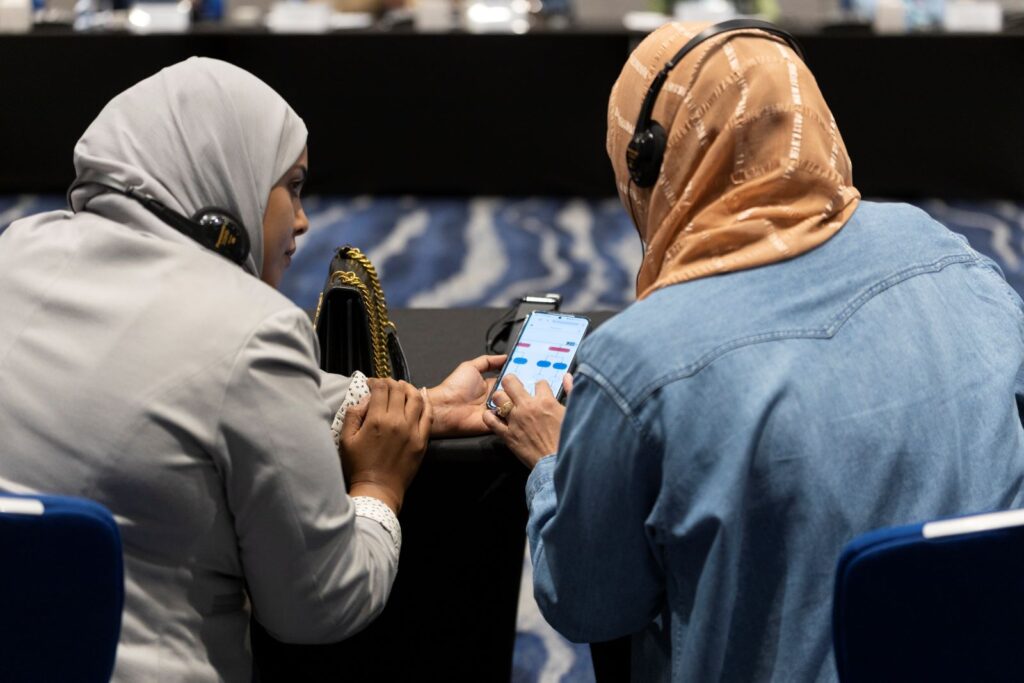
Solutions are found in the future
CMI’s current project has facilitated a joint vision-building on political agency, consisting of four workshops that have brought together representatives of Yemen’s political parties since January 2024. In September, the parties agreed on a joint vision for political agency in future Yemen, based on shared values, principles, and actions. The vision emphasizes, for example, democracy, political pluralism, the peaceful transfer of power, and the principles of equality and justice.
CMI’s foresight methodology, used in other conflicts, helped the parties envision a common future that allows men and women to enact their political agency in the political space. This future-oriented thinking has guided CMI’s work from the very beginning, exemplifying the pragmatic optimism of CMI’s founder, President Martti Ahtisaari. While immediate conflicts often dominate the attention of the parties involved, CMI encourages them to look toward the horizon.
“The only way to resolve conflicts is to look to the future. Typically, parties are stuck in the past and present, but the solutions are found in the future,” said Janne Taalas at the workshop.
This workshop focused on reviewing and validating the vision with the party leadership and representatives. Participants also identified their priorities for translating the vision into action. Decisions were made on the most important actions in three key areas: peace and reconciliation; economy and equity; and pluralism and inclusive representation.
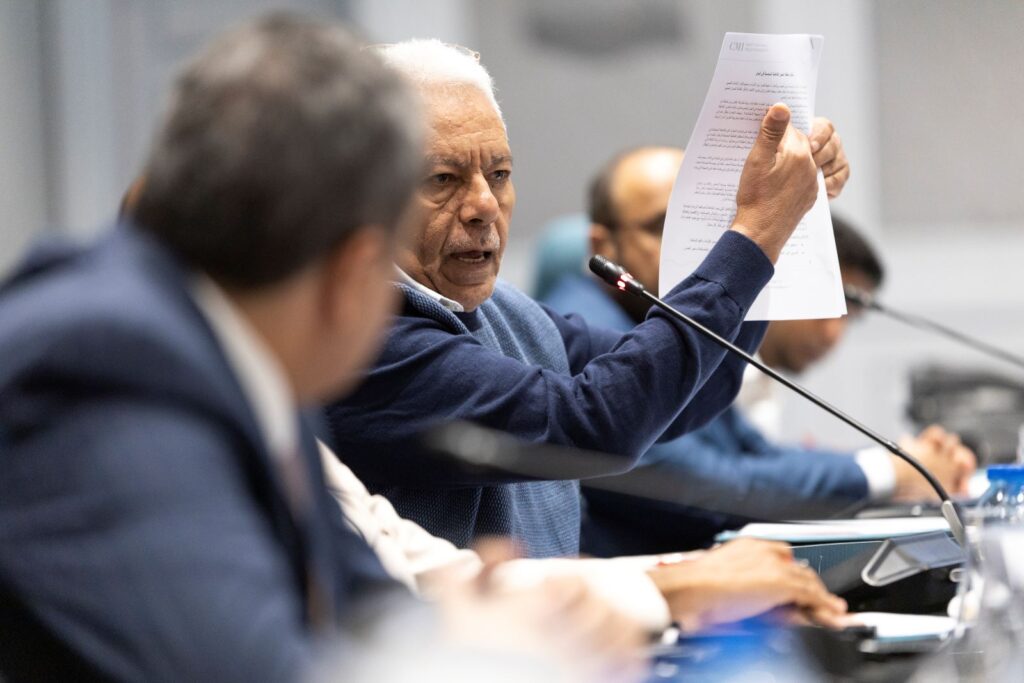
In principle, all parties agreed on the vision. “It is a roadmap for achieving the political agency we aspire to,” said one participant. “With this vision, we will not return to the cycle of violence and will embed a culture of peace,” emphasized another politician.
One participant noted that the problem is not in the room but on the ground: “Militias do not believe in the state, democracy, or dialogue.” The politicians were pleased that the vision came directly from their own efforts. “We have a purely Yemeni document. Nobody intervened in creating it,” said one participant.
Finally, the parties presented the vision and their priorities for implementation to key international partners, including the UN, the EU, the UK, and the Netherlands. The partners acknowledged the parties’ hard work and expressed satisfaction with the results. They also appreciated the direct and honest exchange regarding the vision and Yemen’s political developments. Inclusive politics was highlighted as key to achieving sustainable peace in Yemen.
This CMI initiative is funded by the UK Government.
Photos: Maria Santto/CMI