For three days, mediators, peacebuilding experts, diplomats and researchers from around the world gathered in Oslo to explore a pressing question: how can peace processes remain gender-inclusive and effective in an increasingly fragmented geopolitical landscape?
From 17–19 November, the UN High-Level Seminar on Gender and Inclusive Mediation Strategies brought together experts to share lessons, strengthen skills and examine current challenges facing peace mediation today.
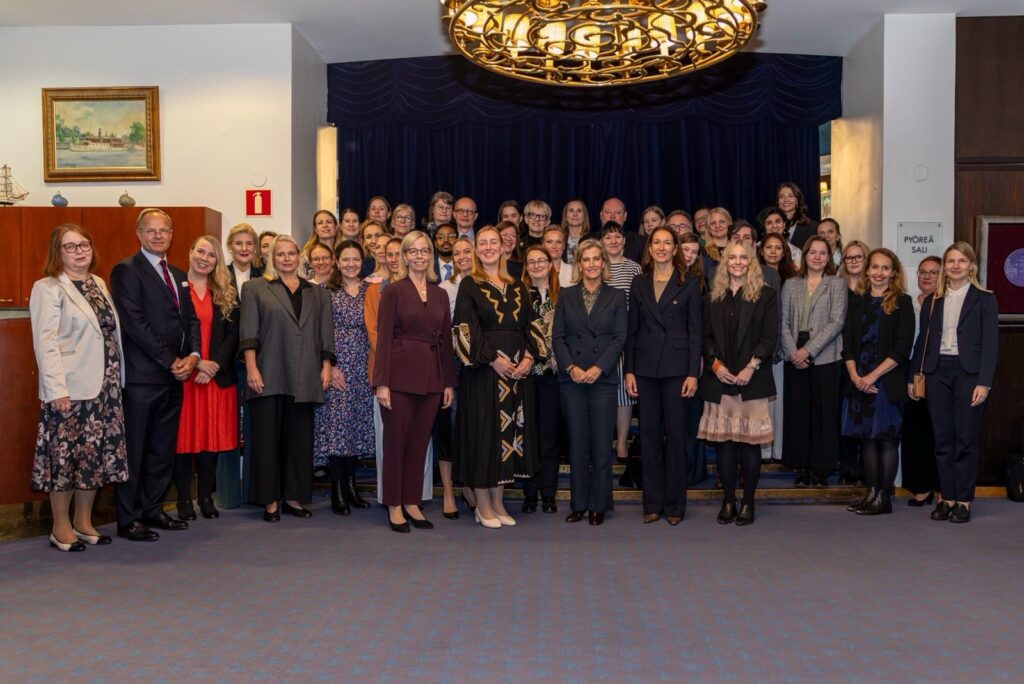
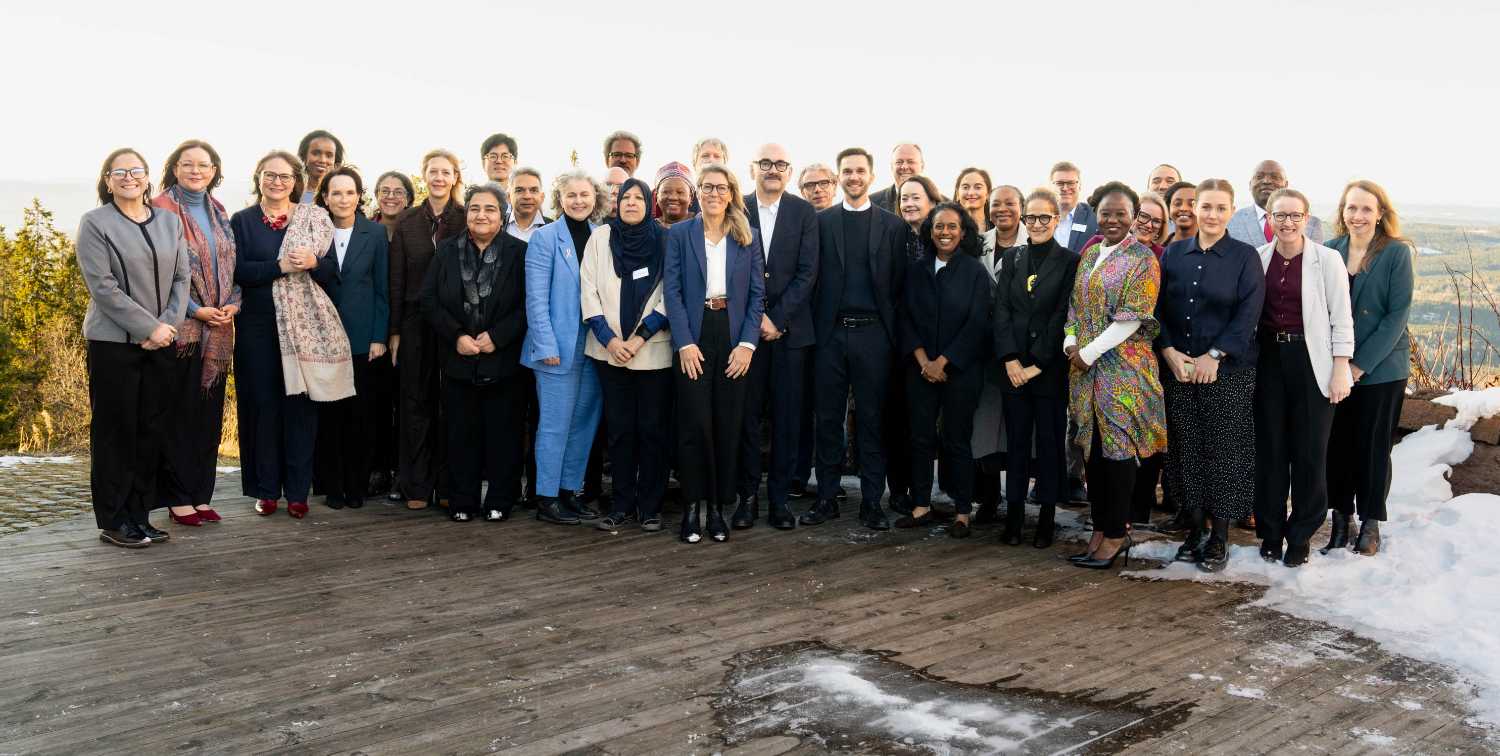
Participants at the 15th UN High-Level Seminar on Gender and Peace Mediation Strategies in Oslo. PRIO / Cendi Frydenlund
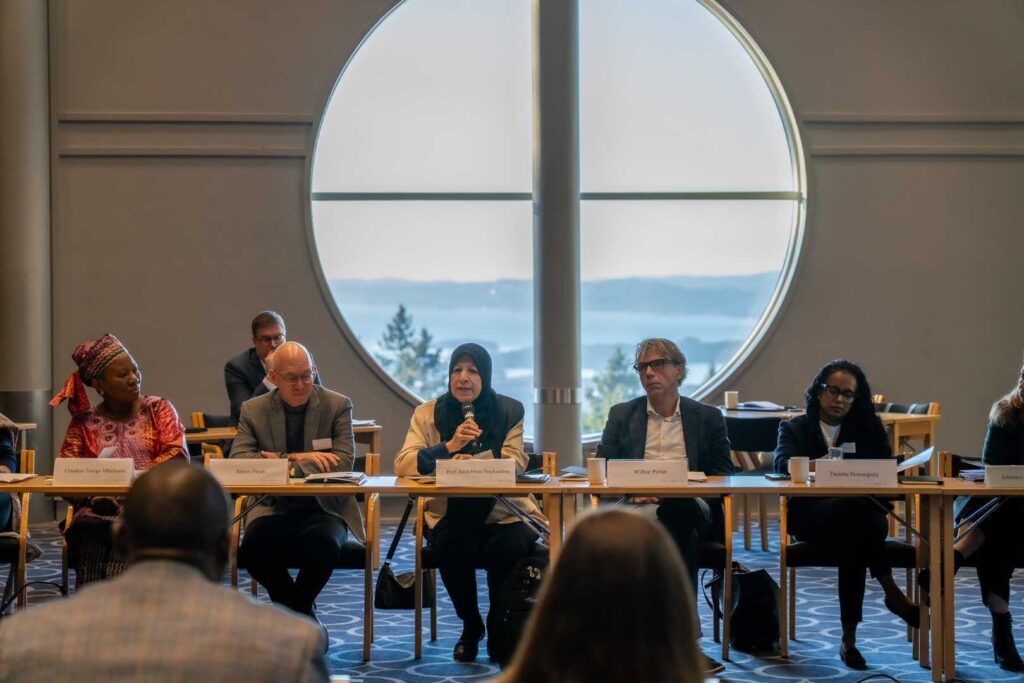
Participants engaged in sessions covering gender-sensitive conflict analysis, mediation process design, conflict-related sexual violence, women’s participation in negotiations, peace agreement provisions and implementation challenges. The discussions took place against a backdrop of growing international tensions and increasing pressure on multilateral norms.
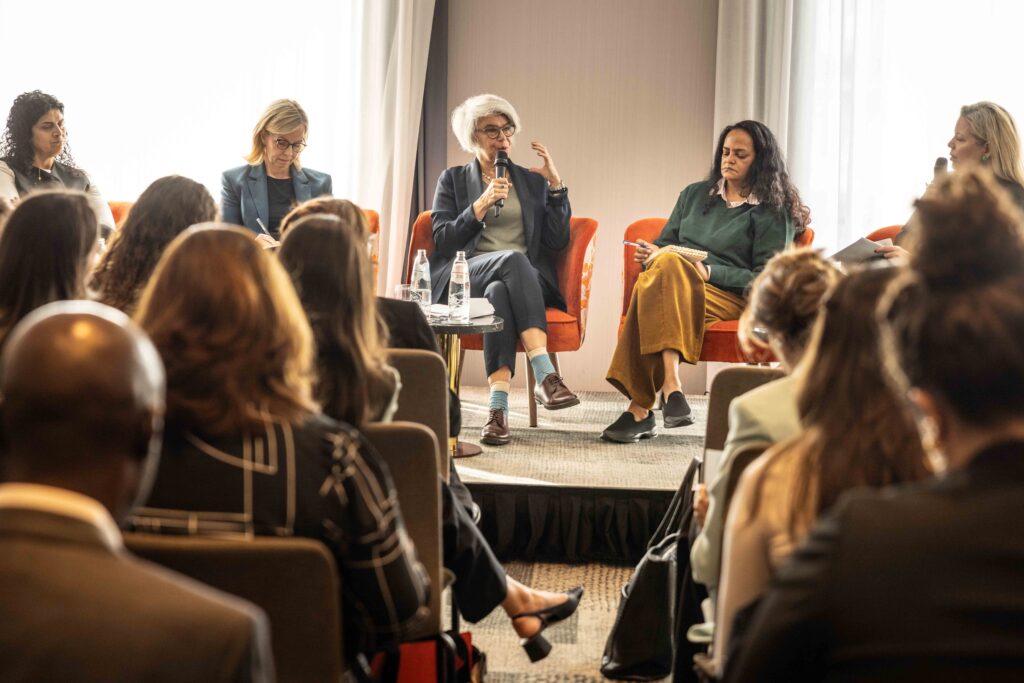
A conversation on the seminar’s opening day examined how gender-inclusive mediation can be pursued amid geopolitical rivalries and a rise in transactional approaches to peace negotiations. According to Torunn L. Tryggestad, Senior Researcher at PRIO and Director of the PRIO Centre on Gender, Peace and Security, ensuring meaningful inclusion is no longer simply an ambition but a practical necessity.
“There is a growing body of research showing what happens if you include women in peace processes. It shows the clear correlation between women’s inclusion and both the quality and durability of peace,” said Tryggestad.
Throughout the seminar, participants emphasised that gender inclusion should be integrated across every stage of mediation, from conflict analysis and process design to ceasefire arrangements and peace agreement implementation. Sessions led by experts from the UN DPPA Standby Team of Senior Mediation Advisers, PRIO and CMI explored concrete tools and approaches that can help mediators achieve these goals.
“Making peace processes more inclusive requires deliberate effort. Women’s participation cannot be an afterthought. As mediators and mediation support actors, we need to think about who is at the table, whose perspectives are being heard and how we can create opportunities for meaningful engagement throughout a peace process,” said Asif R. Khan, Director of the Policy and Mediation Division at DPPA.
A recurring theme was the value of learning across regions and contexts. Participants shared experiences from ongoing and past peace processes, discussing both successes and obstacles in promoting women’s participation and addressing conflict-related sexual violence.
An interactive session led by Johanna Poutanen, Head of Inclusion and Digital Innovation at CMI focused specifically on strategies for strengthening women’s agency in mediation efforts.
“Women’s political participation goes beyond formal peace negotiations. It is about women’s ability to shape decisions affecting their societies before, during and after peace and transition processes. The question is how mediators can help strengthen that access and influence,” said Johanna Poutanen.
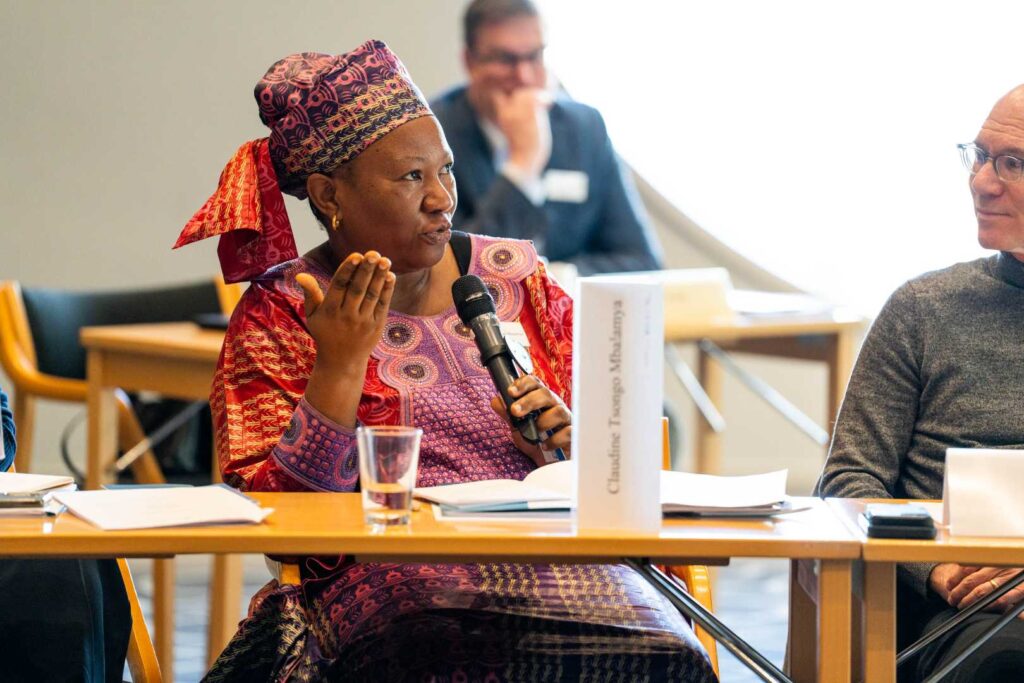
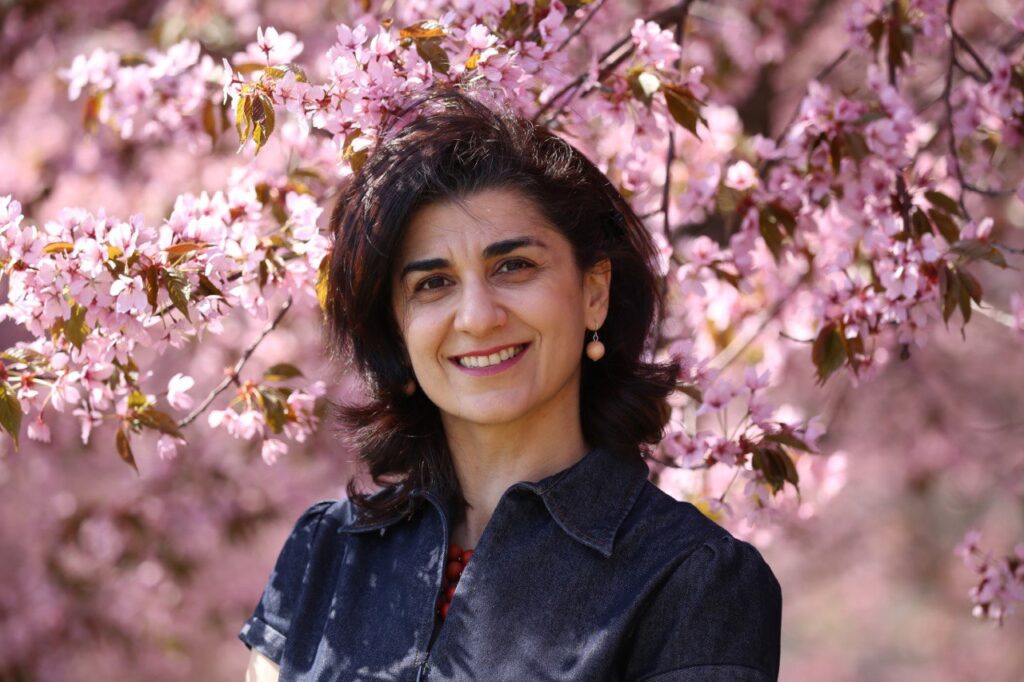
Participant of the UN High-Level Seminar on Gender and Peace Mediation Strategies, Claudine Tsongo Mbalamaya. Photo: PRIO
The programme also allowed participants to put lessons into practice through a mediation simulation exercise designed on the final day. The exercise challenged participants to navigate complex negotiations while applying gender-sensitive approaches discussed throughout the week.
Reflecting on the seminar’s outcomes, PRIO Acting Director Haakon Gjerløw stressed the importance of maintaining momentum at a time when international commitments to gender equality are facing increasing political pushback.
“We are seeing a world with more geopolitical tension, with more transactional bargaining, more high-level track one negotiations. We don’t want to lose sight of inclusive processes. We want to inspire to action, to ensure that peace negotiations can stay inclusive also towards the future.”
Since its start in 2013, the High-Level Seminar on Gender and Inclusive Mediation Processes has been co-organised by CMI – Martti Ahtisaari Peace Foundation, the PRIO Centre on Gender, Peace and Security and the UN Department of Political and Peacebuilding Affairs (DPPA). It is financially supported by the Ministries of Foreign Affairs of Finland and Norway.
Strengthening women’s political agency in peacemaking is a longstanding strategic priority for CMI, and this seminar is part of the broader work of our Women in Peacemaking team.