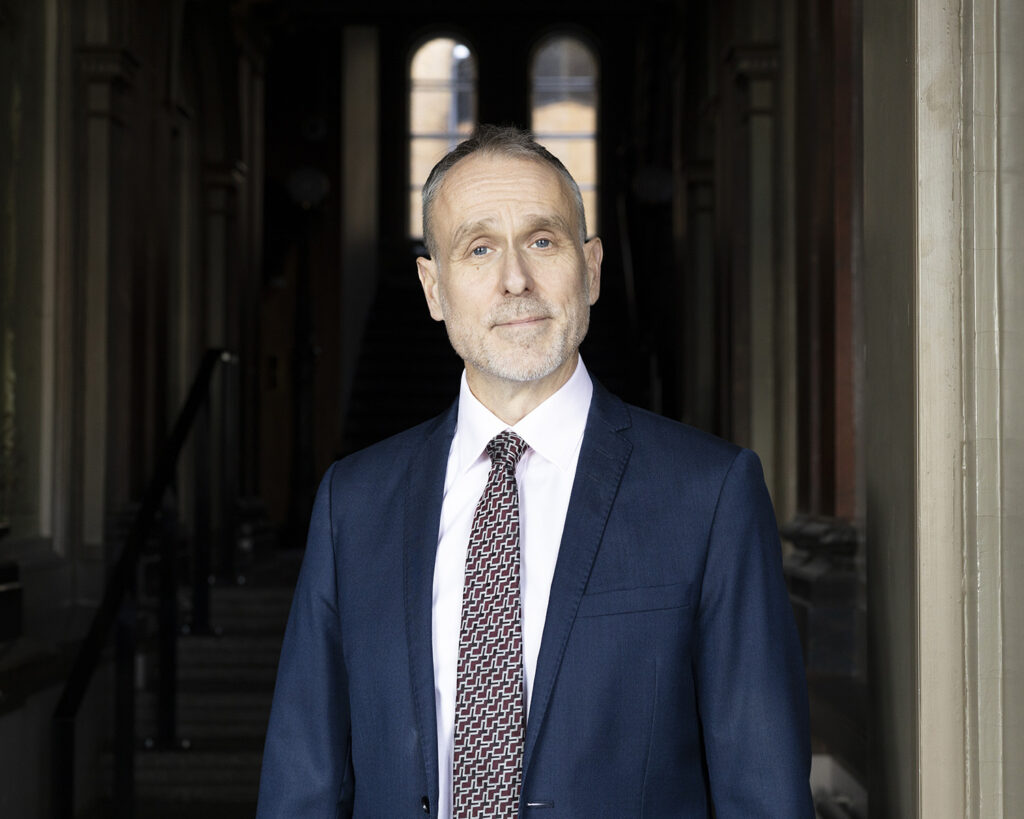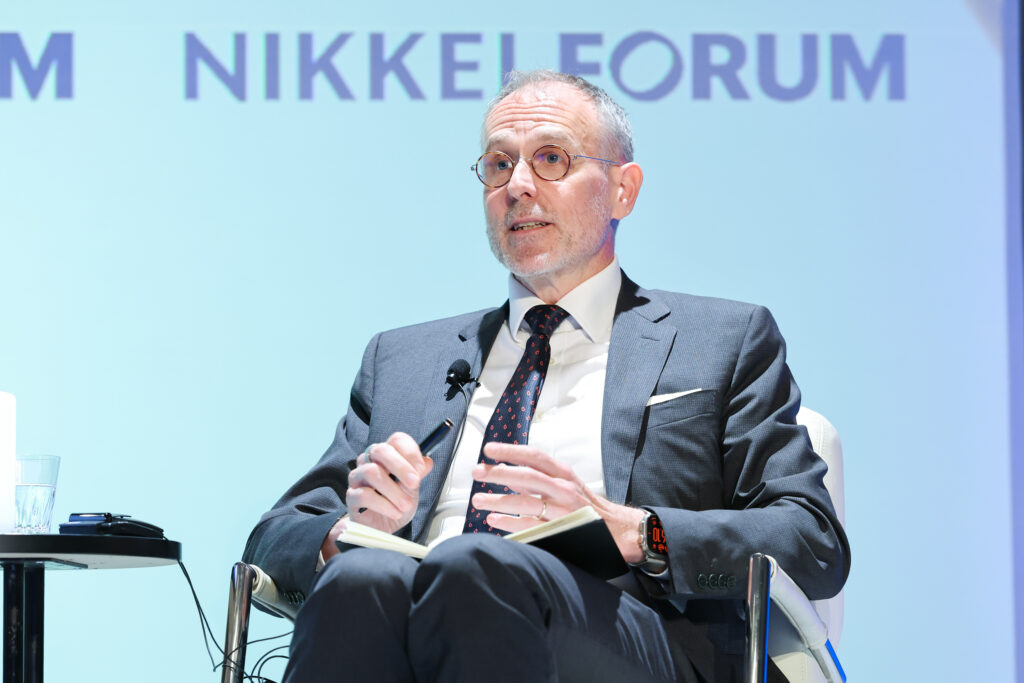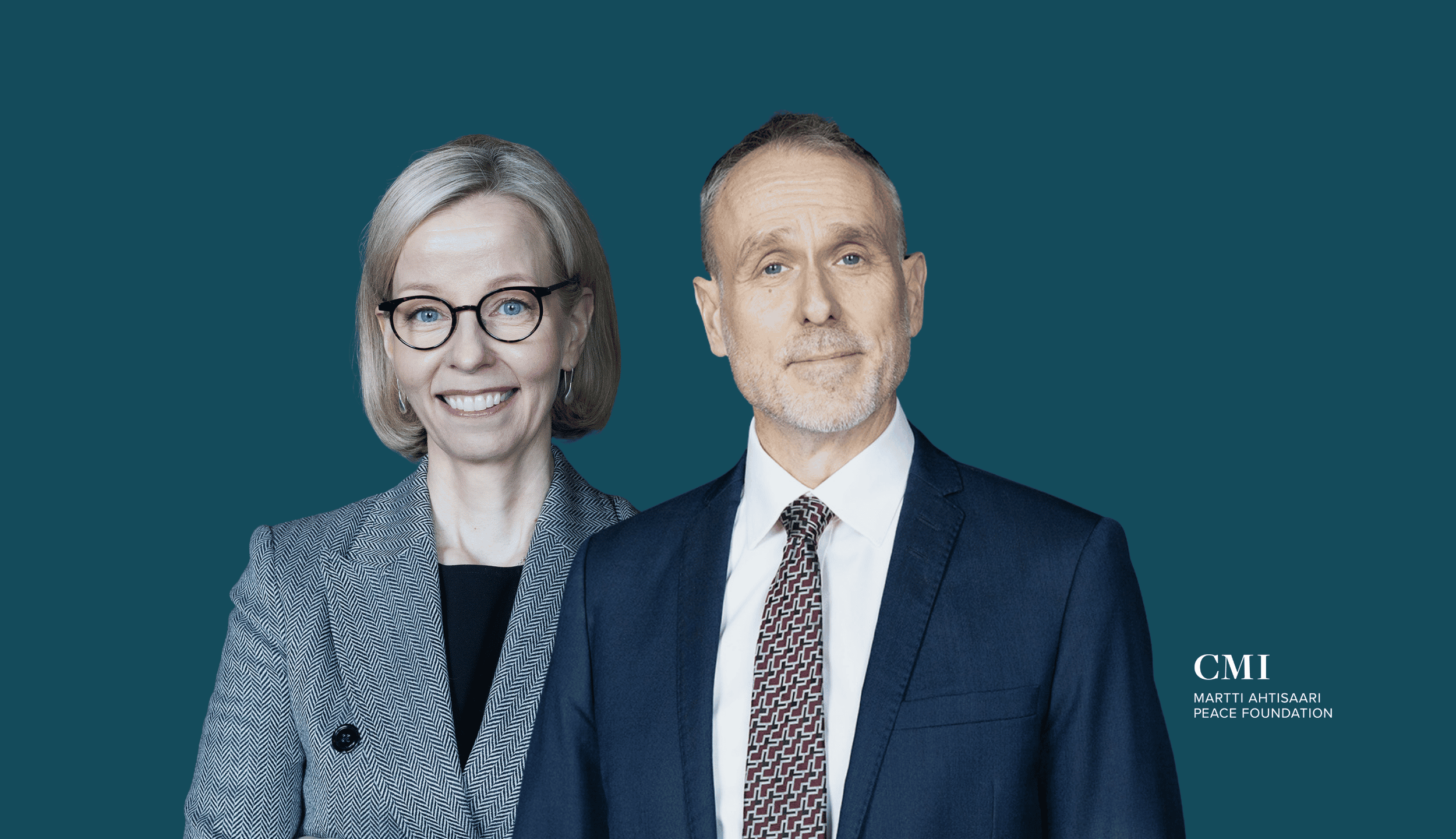
As CEO Janne Taalas moves to a new position as Finland’s Permanent Representative to the United Nations, Hanna Klinge takes over as Acting CEO from 12th October. In this joint piece, they reflect on how CMI and the field have changed during Taalas’ incumbency.
Over the past five years, the international landscape has changed profoundly. Geopolitical competition has intensified, major wars have returned to the centre of international politics, and the international system has become more fragmented. These developments have reshaped the ways in which conflicts can be managed and resolved.
This period has also reinforced a fundamental lesson: military force rarely resolves the political questions that drive conflict. At the same time, as the world invests more heavily in preparing for war, the need for mediation continues to grow.
“This period has reinforced a fundamental lesson: military force rarely resolves the political questions that drive conflict”
In the past five years, the fall of Kabul, Russia’s full-scale invasion of Ukraine, the war in Gaza and wider Middle East, the conflict in Sudan, and instability across many regions have upended assumptions that have guided international peace efforts for decades. Traditional multilateral institutions are being undermined, while new actors and alliances have emerged.
Institutional resilience for complex peace processes
Peace mediation is evolving in this changing environment. CMI – Martti Ahtisaari Peace Foundation has undergone significant transformation during these years. Between 2020 and 2025, annual income grew from €9.5 million to €17.5 million. The number of staff increased from 64 to 94, cooperation requests more than doubled, and our engagement expanded from 10 peace processes to 17. We significantly strengthened our strategic partnership with the EU, established a long-term endowment called the Martti Ahtisaari Peace Fund, and expanded our partnerships with governments and multilateral organisations around the world.
Growth, however, has not been an objective in itself. The purpose has been to ensure that CMI would have the institutional strength and capacity needed to support more complex peace processes. Conflicts are becoming increasingly interconnected, geopolitical, and resistant to traditional approaches. Responding effectively requires long-term commitment as well as the ability to react rapidly to changing circumstances.
“CMI must have the institutional strength and capacity needed to support more complex peace processes”
During this period, we have deepened our expertise in mediation and dialogue support, meaningful political participation of women and youth, digital peacemaking, and multilateral engagement. Independent external evaluations have recognised CMI as a relevant, effective, and trusted organisation delivering sustainable results. This is a reflection of the enduring commitment and growing professionalism of our colleagues, partners, and supporters.
Transforming peace mediation
Peace processes used to be anchored in institutions – preferably in the United Nations – and assumptions of the post-Cold War period. Today, regional organisations, middle powers, private mediators, and ad hoc coalitions dominate the scene.
Mediation has become entwined with power, security, and strategic interests. As geopolitics increasingly defines international affairs, mediation is shifting closer to the core of foreign and security policy. Consequently, it has become a strategic foreign policy instrument for many states.
For Finland, the Nordics and the EU, peace mediation provides practical and partnership-based ways to engage constructively with countries across geopolitical divides. It builds on shared interest to prevent and resolve conflicts. In a crisis-prone world, mediation remains one of the few genuinely solution-oriented and forward-looking tools available to states.
“Mediation has become a strategic foreign policy instrument for many states as it shifts closer to the core of foreign and security policy”
The elite bargains characterising present peacemaking need to be better embedded in the societies affected by conflict and grounded in regional architecture. Independent mediation actors can offer valuable experience in this work. They can provide continuity, create space for dialogue, and support implementation long after an agreement has been reached.
CMI will continue to bring together people who might not otherwise meet, create opportunities for dialogue where there are none, and support war-torn societies seeking peaceful ways forward. We enter the next chapter with confidence in the organisation’s foundations and with a clear understanding of the challenges ahead.
Authors: Janne Taalas, Hanna Klinge.