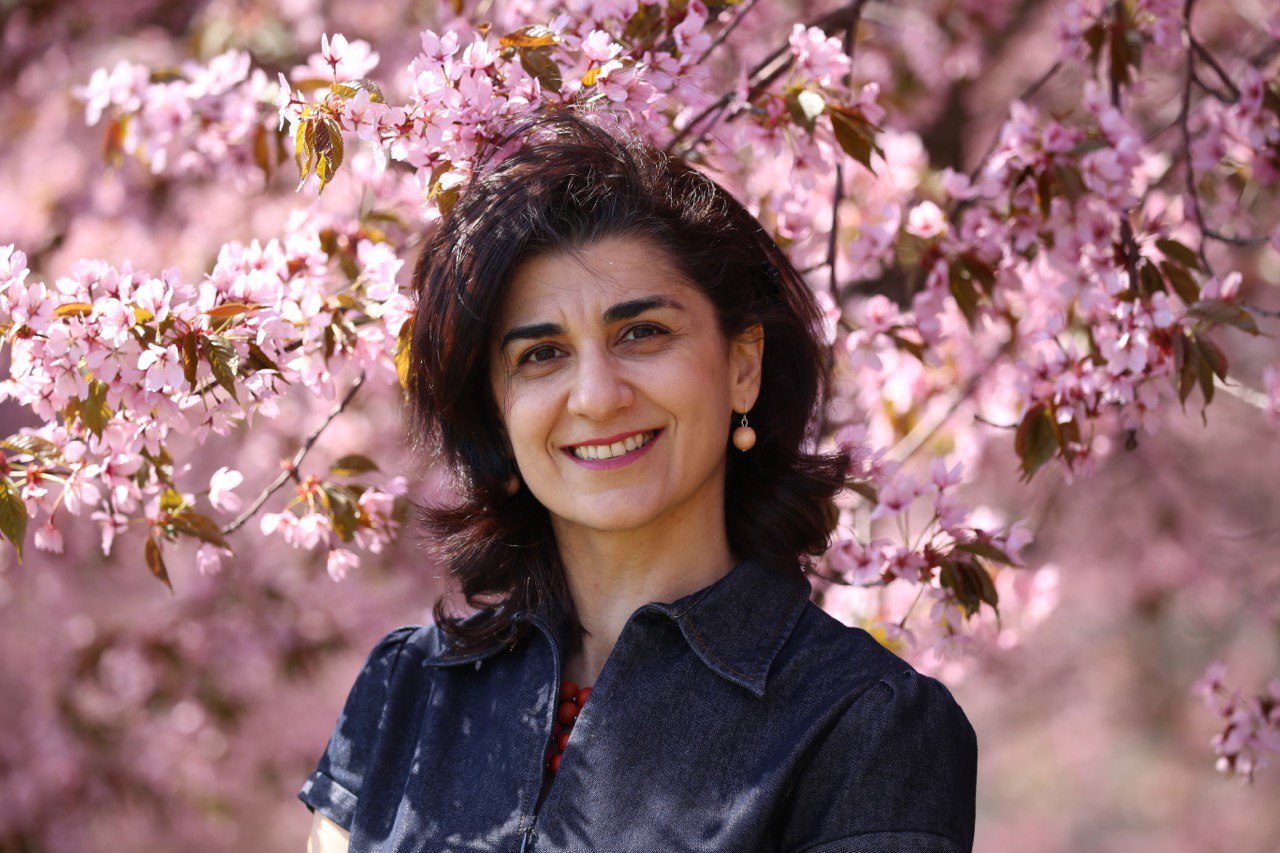
Women are not passive beneficiaries of peace but active agents and advocates, exercising this role every day, writes CMI’s Project Manager Marina Danoyan in European Policy Center’s compendium Women in war: voices from the many front lines.
Author: Marina Danoyan, Project Manager, Women in Peacemaking, CMI
The landscape of contemporary peacebuilding has shifted significantly in recent years. The current international focus increasingly prioritises fast dealmaking over legitimate and inclusive peace processes. In this context, respect for human rights, accountability and justice are often overlooked as essential conditions for lasting peace. Yet this does not mean these principles are unimportant. On the contrary, tremendous efforts are being made to advance human security – particularly by women – even in the absence of formal peace processes.
Coming from a conflict-affected country myself and having worked in the field of peace mediation at CMI for 15 years, I have witnessed the profound value of these small, everyday efforts to build peace. It is through these quiet and persistent actions that real change takes root. Whether in Ukraine or Afghanistan, my work has shown me women’s relentless efforts to support their communities, mitigate tensions, provide psychological support and document crucial witness accounts. They are not passive beneficiaries of peace but active agents and advocates, exercising this role every day. For them, peace means having the space and recognition to do this work.
Beyond this, women also play a crucial bridge-building role, navigating between different groups in ways that foster understanding across divides. In Ukraine, for example, mobile groups consisting of a mediator, a psychologist and a communicator work between displaced and host communities, establishing constructive communication and facilitating dialogue between different groups. In Afghanistan, women inside and outside the country collaborate to amplify local voices on international platforms, ensuring their expertise shapes global peacebuilding conversations. For them, peace means enabling, protecting and actively supporting this vital work.
Although women’s contributions often remain invisible in formal peace processes, we must recognise and value their role in building everyday peace. This is where real, sustainable peace begins. Our responsibility to support and invest in these efforts has never been greater.
Tremendous efforts are being made to advance human security – particularly by women – even in the absence of formal peace processes.
This text was published by the European Policy Center in a compedium, “Women in war: voices from the many front lines”.
Read the full compedium here.