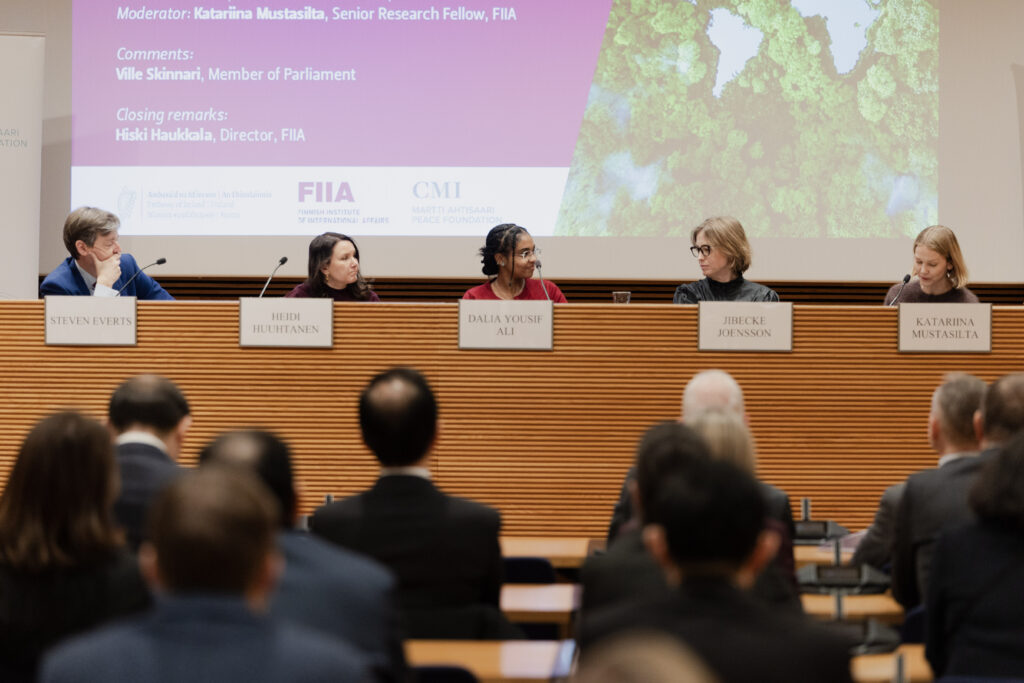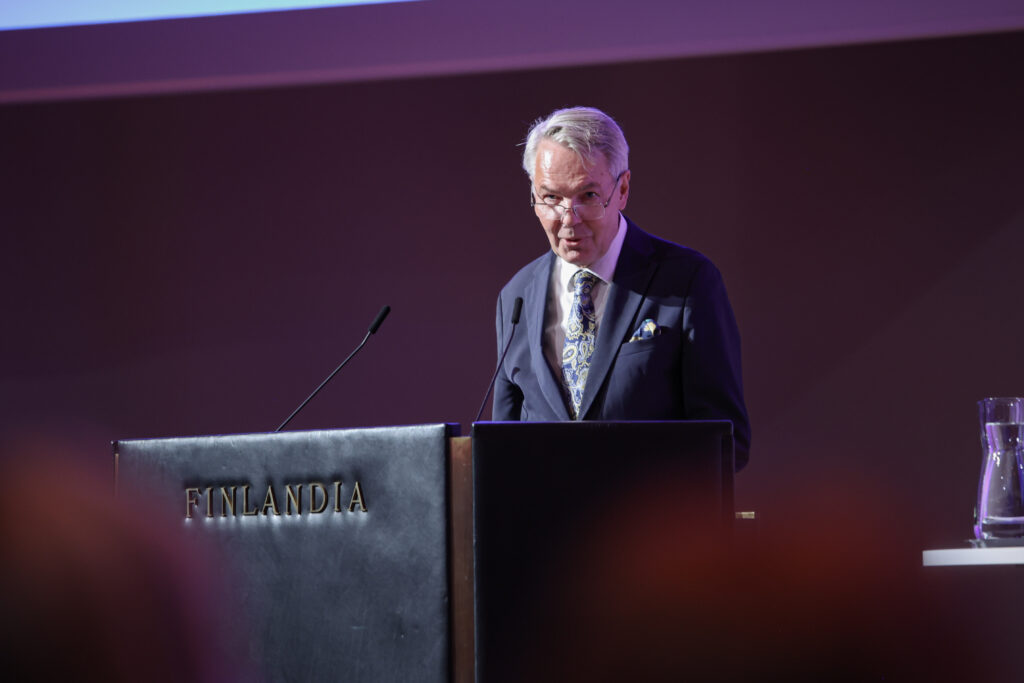
CMI co-chaired the 3rd iteration of the annual global CSO-UN Dialogue on Peacebuilding in 2025. The Dialogue aims to strengthen the strategic and operational partnership between the United Nations and civil society across the peacebuilding spectrum.
In 2023, the United Nations (DPPA/PBSO) established the CSO-UN Dialogue on Peacebuilding to provide more systematic entry points for civil society to engage with the UN and Member States on peacebuilding policy and programming. The step recognised civil society’s importance in an era of mounting geopolitical tensions and declining trust in the multilateral system.
Following the first two editions at UN Headquarters in New York, the third annual Dialogue convened in Geneva on 10 and 11 December 2025. It came at a pivotal moment, with the UN advancing implementation of the 2025 Peacebuilding Architecture Review (PBAR), the UN80 Efficiency and Delivery Review, and the Pact for the Future.
The Initiative’s Core Group – of which CMI has been a member since its inception – recognises that addressing today’s complex and interconnected challenges necessitates a system-wide approach. It must meaningfully integrate peacebuilding, development, humanitarian aid, and human rights efforts at global, regional and local levels.
This understanding informed the focus of the 2025 Dialogue, which sought to operationalise a whole-of-system approach to peacebuilding by identifying ways to further enhance and strengthen its implementation, including through cross-cutting agendas: Women, Peace and Security; Youth, Peace and Security; and themes such as forced displacement and climate change.
Amplifying regional voices
During previous Dialogues, participants have consistently emphasised that regional insights must feed into global discussions to enhance localisation and establish systematic feedback loops. In response to requests from CSO participants from the Eastern European region, CMI organised two sub-regional dialogues in 2025 to ensure that local perspectives would shape the global agenda and come to the fore in Geneva in December.
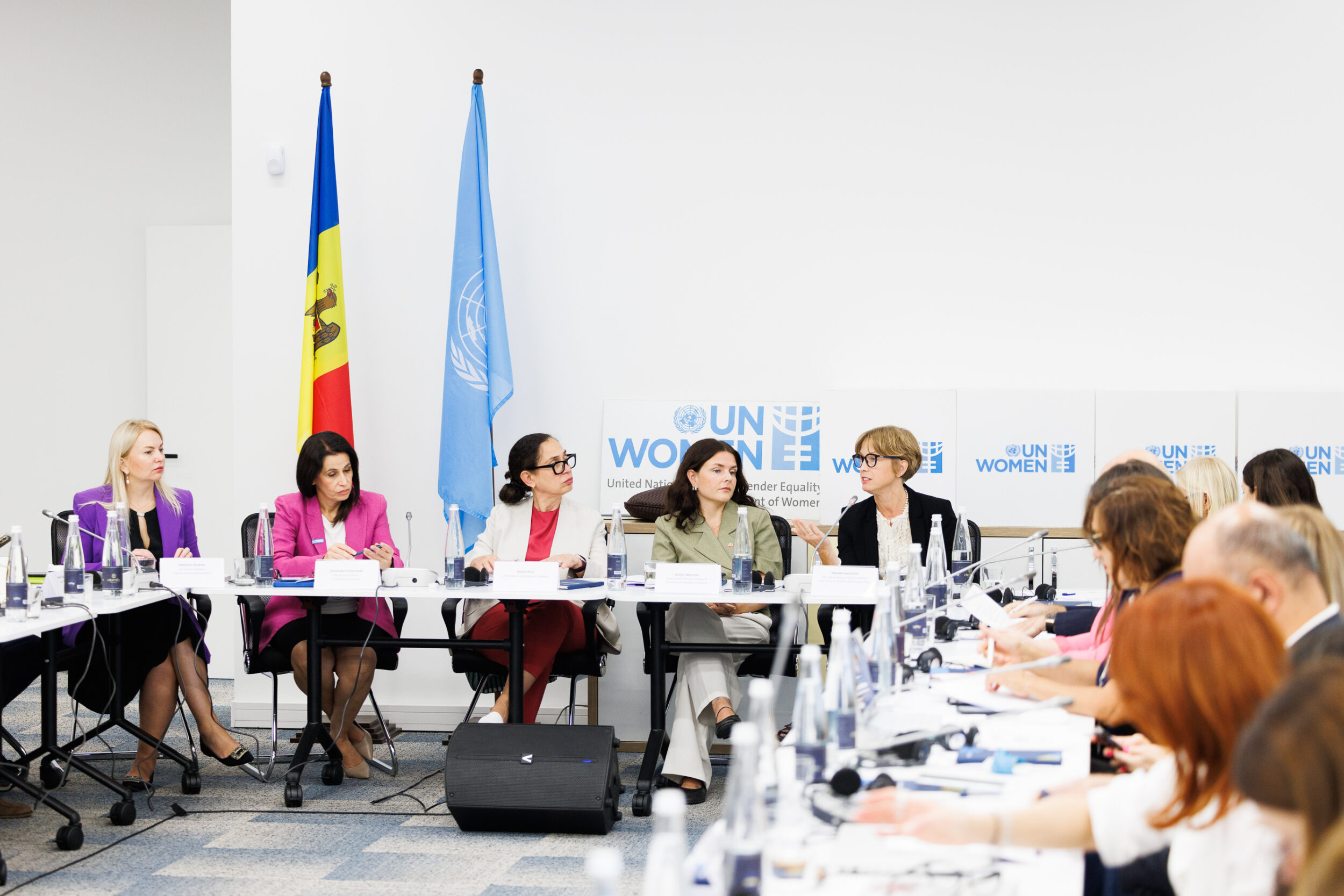
In September, CMI and UN Women Europe and Central Asia co-organised the first Eastern Europe Sub-Regional CSO-UN Dialogue in Chisinau, Moldova. Participants shared valuable lessons and best practices on how to adapt to rapidly shifting contexts. They also highlighted the central role of civil society in translating global frameworks into local strategies, for example through active regional and national cross-border platforms and coalitions that mobilise and engage communities.
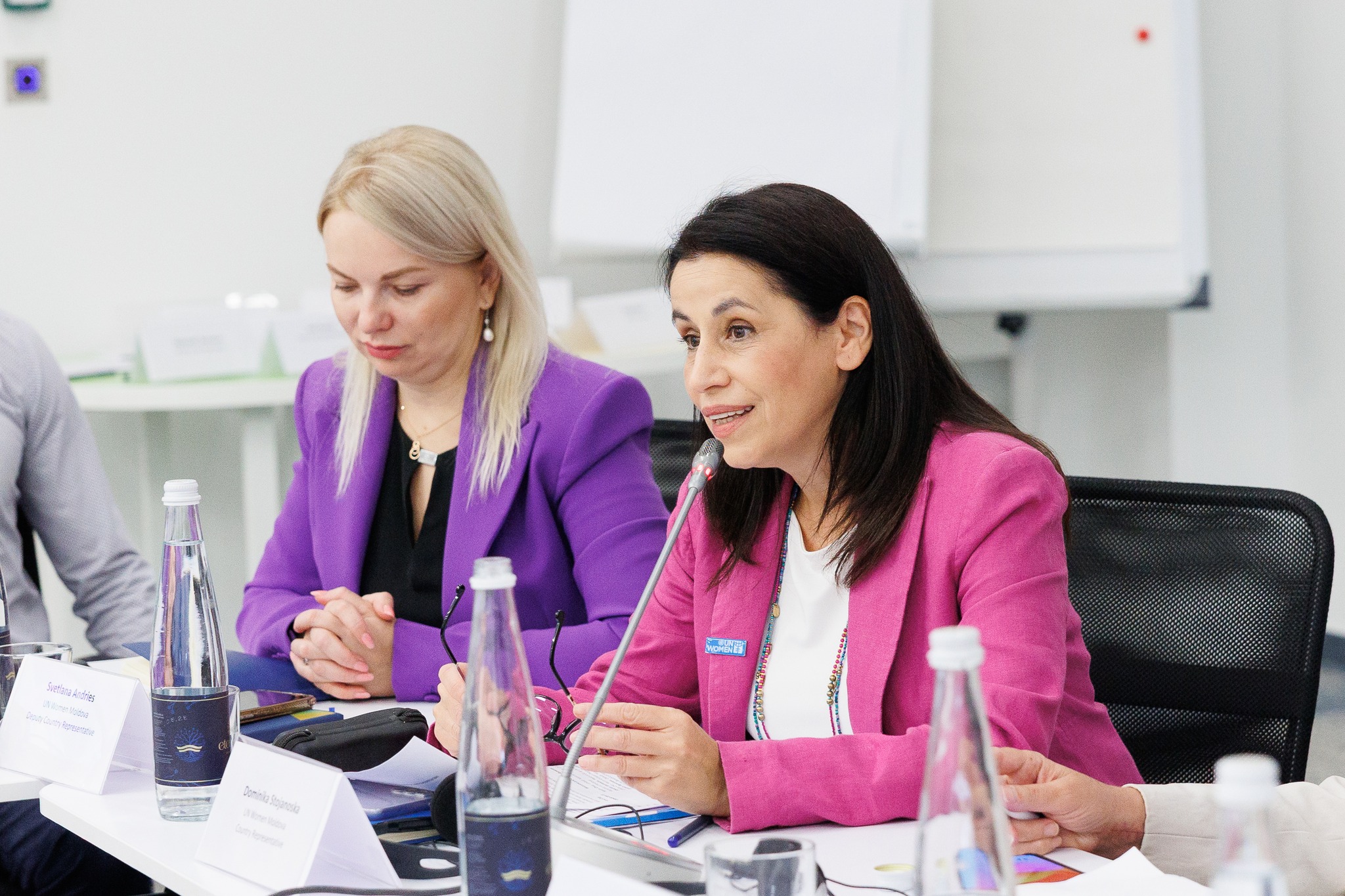
CMI co-organised the first Eastern Europe Sub-Regional CSO-UN Dialogue in Chisinau, Moldova ahead of the global Dialogue in Geneva.
In November, CMI partnered with the Kosovar Centre for Security Studies to convene the Western Balkans Sub-Regional CSO-UN Dialogue in Pristina. Here, the legacy of past conflicts continues to shape contemporary dynamics, with the EU integration process serving as a central framework for regional peacebuilding. Participants noted that civil society increasingly carries the burden of advancing reconciliation and social cohesion in a region facing interconnected challenges, including misinformation, ethno-political radicalisation, and shrinking civic space.
Recurring themes impact global UN-CSO Dialogue
A recurring theme in both regional dialogues was the critical importance of civic space and the urgent need to protect it, and it came with a strong message: effective peacebuilding policy cannot be developed in isolation from those who implement it on the ground.
Both dialogues recognised the Women, Peace and Security and Youth, Peace and Security agendas as essential cross-cutting frameworks for peacebuilding, and as promising tools for operationalising a whole-of-system approach.
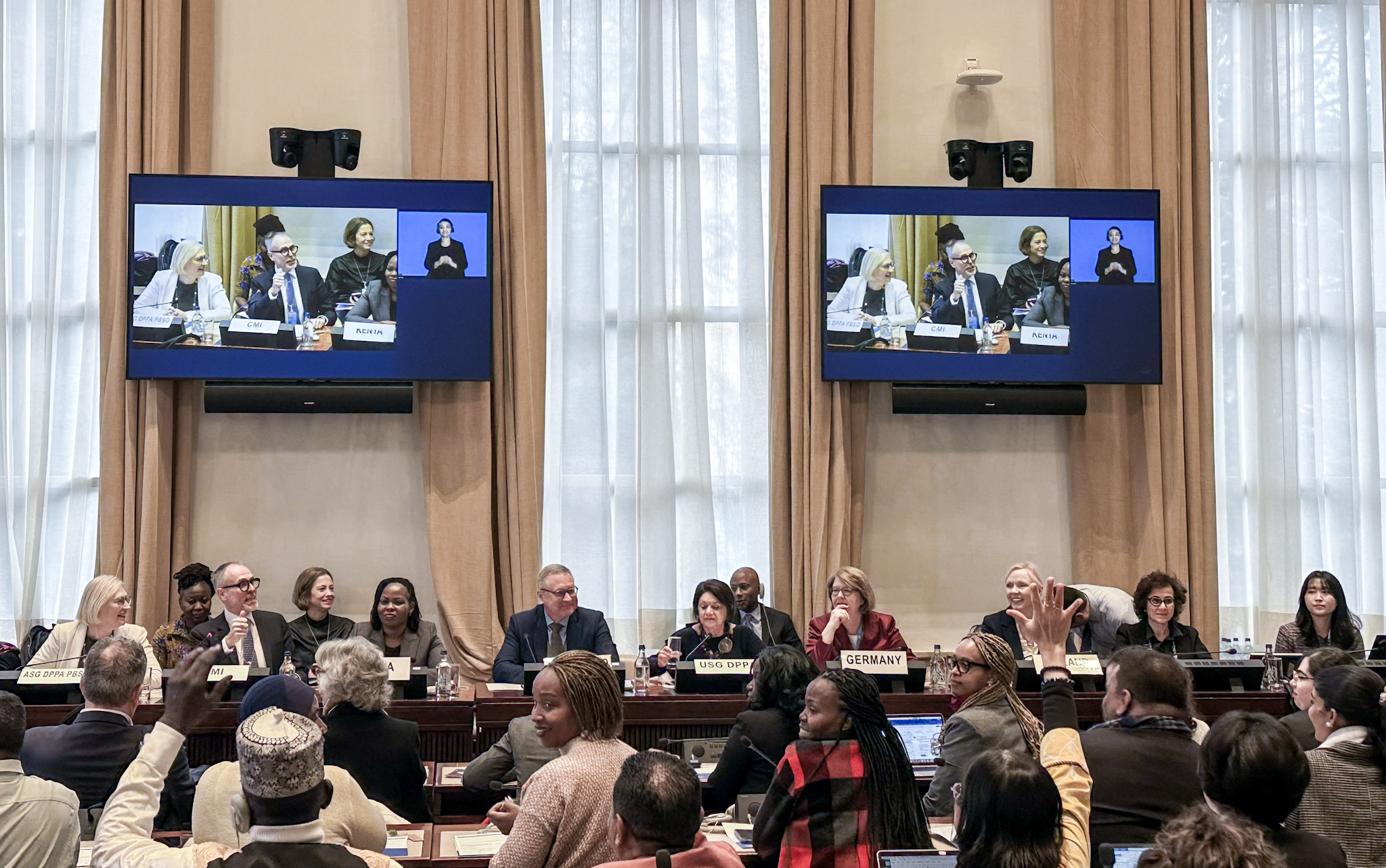
Over 200 participants from more than 90 countries attended the annual CSO–UN Dialogue on Peacebuilding in Geneva that was co-chaired by CMI. Regional insights fed into global discussions.
In Chisinau, participants stressed the importance of working with local champions and investing in civic education to enhance impact. In Pristina, youth engagement and media literacy education emerged as essential tools for countering misinformation and building resilient communities. Across both contexts, participants agreed that these agendas must be implemented flexibly, and grounded in local realities rather than applied as rigid templates.
Participants in Chisinau and Pristina also stressed that the UN should strengthen its role as a connector. This means linking formal and informal actors, bridging national, local, and regional processes, supporting CSO capacity-building, fostering trust between civil society and governments, and more proactively encouraging governments to engage with CSOs, particularly in the context of shrinking civic space. Cross-border cooperation mechanisms, standing CSO-UN committees, and regional expert networks were proposed as practical tools for coordinated responses and knowledge-sharing.
Insights from the two sub-regional dialogues fed directly into the 2025 global CSO-UN Dialogue in Geneva, alongside contributions from similar regional dialogues organised by other Core Group members in the MENA region, Horn of Africa, Great Lakes, Latin America and the Caribbean and the Pacific.
Looking ahead
As the UN advances the implementation of the 2025 Peacebuilding Architecture Review and the Pact for the Future, the insights gathered through these Dialogues offer guidance for both operationalising a whole-of-system approach that integrates peacebuilding, development, humanitarian, and human rights efforts and for making peacebuilding efforts more responsive to realities on the ground.
CMI remains committed to supporting these processes. The organisation recognises that sustainable peace requires not only political will, but also the active participation of those working for peace in communities around the world.
The message from civil society is clear: include CSOs from the outset, protect the space in which they operate, and invest in local capacities.