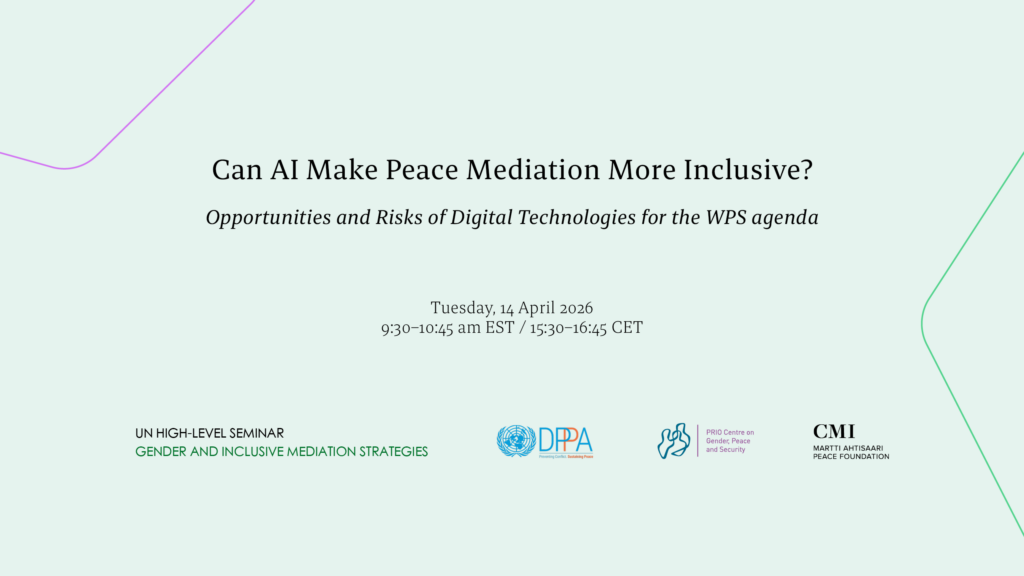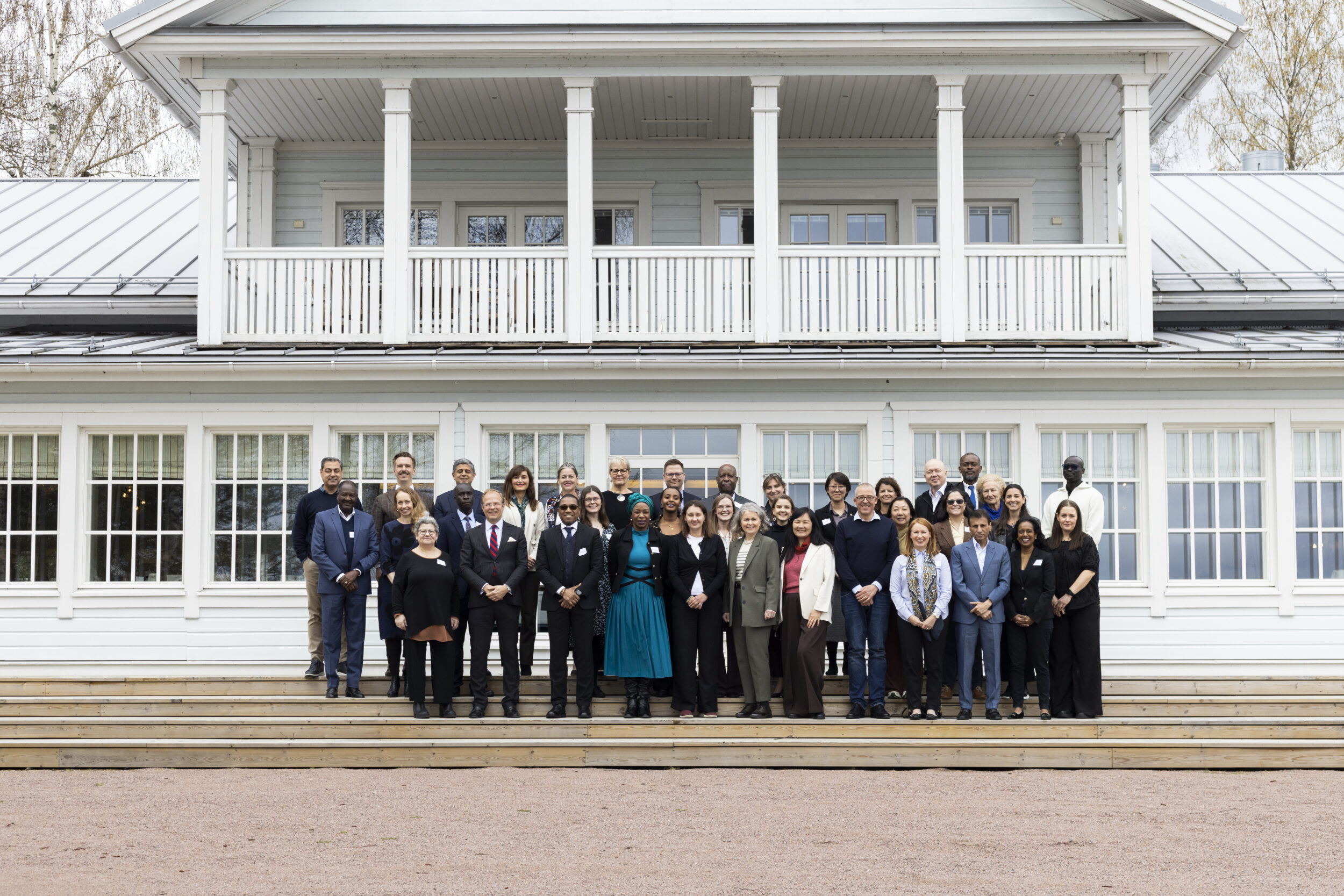
From 23 to 25 April 2025, mediators, peacebuilders, and policymakers gathered in Porvoo, Finland, for the 14th UN High-Level Seminar on Gender and Inclusive Mediation Strategies. In a world grappling with record levels of violent conflict, the seminar focused on addressing the urgent need for more inclusive peace processes.

The UN High-Level Seminar gathered mediators, peacebuilders, and policymakers in Porvoo, Finland to discuss gender and inclusive mediation strategies. Photo: Maria Hossain Santto/CMI
The seminar, organised by CMI – Martti Ahtisaari Peace Foundation, the UN Department of Political and Peacebuilding Affairs (UN DPPA), and the Peace Research Institute Oslo (PRIO), took place at a critical time. As global conflicts surge to their highest levels since World War II, and a rising backlash threatens women’s rights and gender equality, many of the norms and practices established maintaining peace and security are being severely tested.
The event came ahead of the 25th anniversary of the UN Security Council Resolution 1325 on Women, Peace and Security (WPS), which recognises the crucial role of women in conflict resolution and calls for their full and equal participation in peace efforts. The seminar offered a timely opportunity for mediators to take concrete steps towards advancing women’s full, equal, and meaningful participation in peacemaking as urged in the Common Pledge for Women’s Full, Equal and Meaningful Participation in Peace Processes by the UN Secretary-General in October 2024. CMI is one of the adopters, committed to promoting women’s active involvement in peace dialogues.
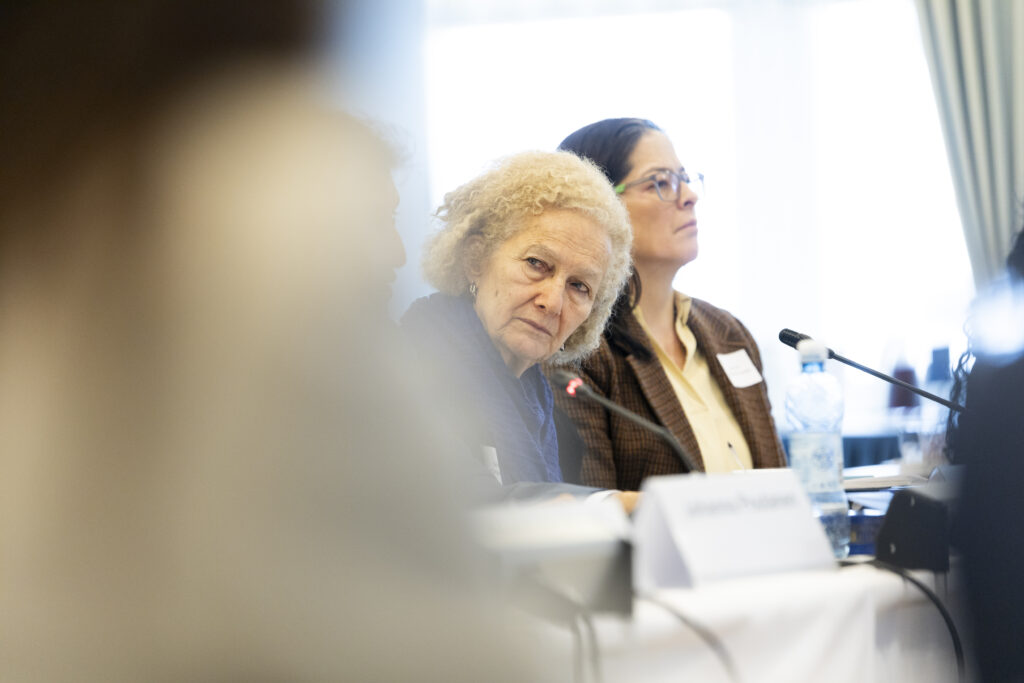
The Seminar came ahead of the 25th anniversary of the UN Security Council Resolution 1325 on Women, Peace and Security (WPS), which recognises the crucial role of women in conflict resolution. Photo: Maria Hossain Santto/ CMI.
Participants of the event explored a range of challenges to inclusive mediation, including the decline of multilateralism, increased militarisation, and the limitations of existing frameworks. They discussed how the WPS agenda can be adapted to today’s realities, and how partnerships between civil society, regional organisations, member states and the UN can help embed inclusivity in peace negotiations.
“Gender equality and inclusivity are core operating principles of CMI,” said Johanna Poutanen, Head of Women in Peacemaking at CMI. “We recognise the indispensable roles of women in building and sustaining peace and are committed to widening the political space for women to contribute to peace efforts.”
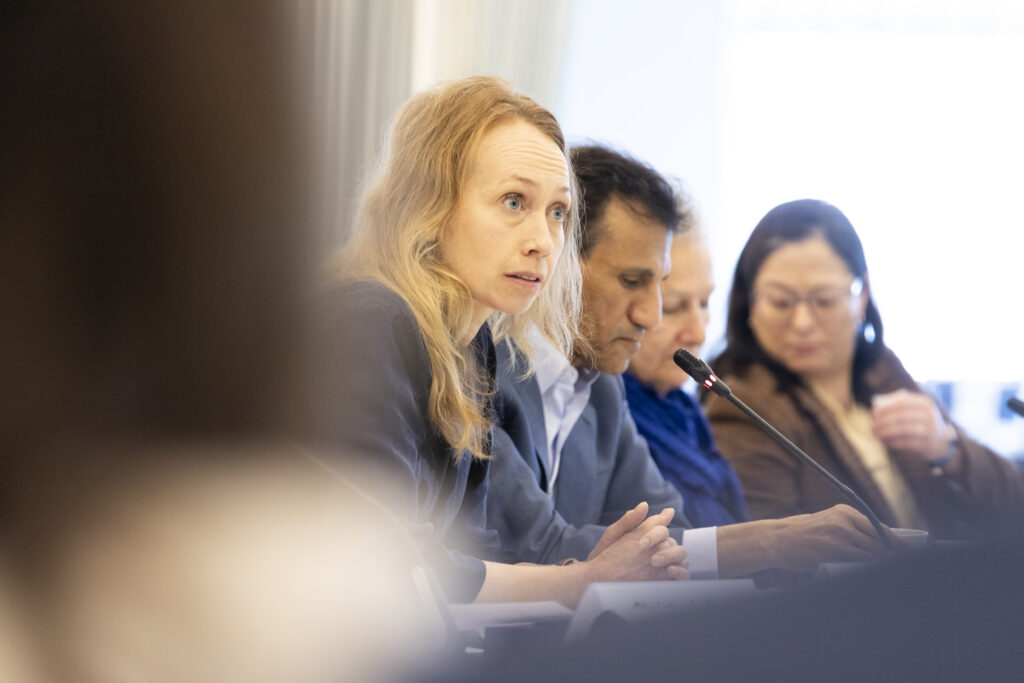
Johanna Poutanen, Head of Women in Peacemaking at CMI emphasised CMI’s commitment to widen the political space for women to contribute to peace efforts. Photo: Maria Hossain Santto/ CMI.
The focus of the event was providing mediators with practical tools to design inclusive mediation processes that ensure women’s voices and experiences shape strategies for peacemaking. Moreover, the discussions underlined the need for gender-sensitive conflict analysis — understanding conflict through a gender lens to uncover deeper dynamics and causes and better inform possible solutions.
Importantly, the seminar provided a space for practical experience-sharing among leading mediation actors.
“We know that more inclusive peace processes lead to better outcomes,” said Marko Ahtisaari, Chair of the Board of CMI, referencing global evidence showing that women’s participation improves the durability and effectiveness of peace agreements. “But this is not always enough – we also need very practical tips and advice on what has worked in particular cases and what has not.”
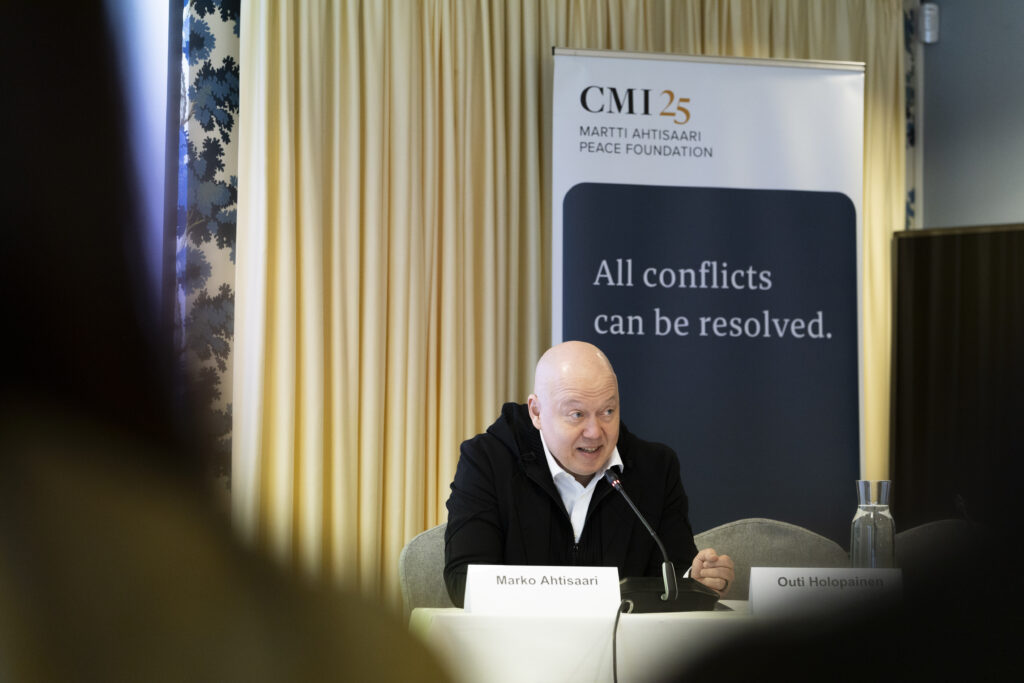
Marko Ahtisaari, Chair of the Board of CMI, called for the need of sharing practical tips and advice on how to advance more inclusive peace processes as a way of getting better outcomes. Photo: Maria Hossain Santto/ CMI.
Speakers throughout the seminar reinforced that inclusion must go beyond symbolic gestures. “It’s important to have various groups at the table, and this ranges from women to marginalised groups and youth,” said Chido Mpemba, Special Envoy on Youth for the African Union.
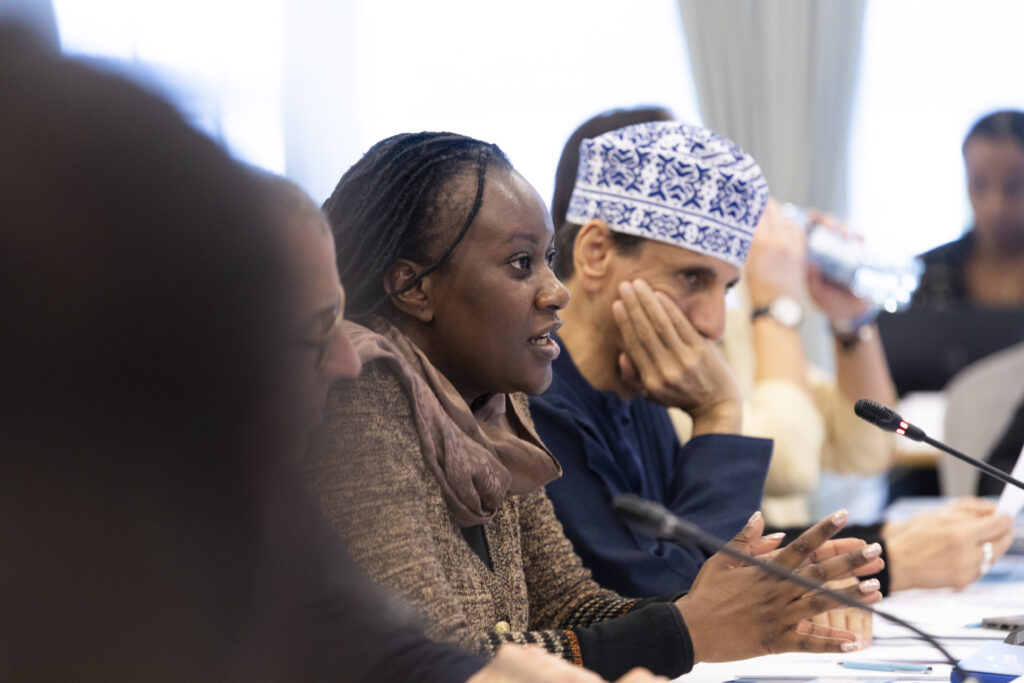
Chido Mpemba, Special Envoy on Youth for the African Union, highlighted how important it is to have various groups at the table to hear the voices of not only women, but also marginalised groups and youth. Photo: Maria Hossain Santto/ CMI.
Leonardo Simão, UN Special Representative for West Africa and the Sahel, added: “We are not searching for a magic formula here but to educate ourselves in adopting the right mindset on the issues of gender and mediation.” Their remarks echoed the shared sentiment that inclusive mediation demands a fundamental shift in approach, not just policy.
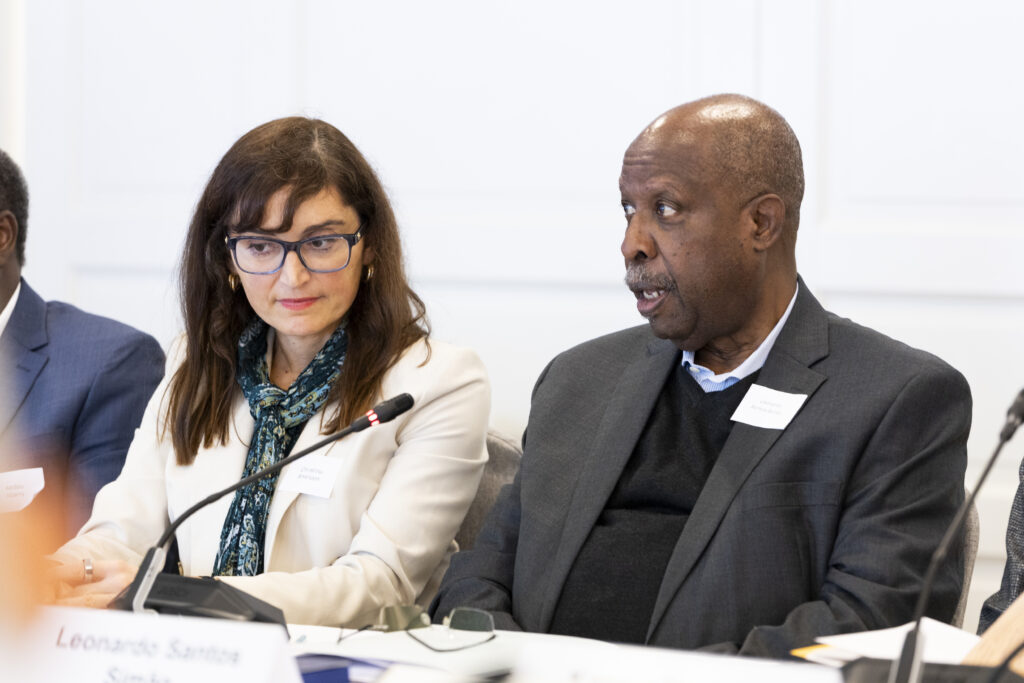
Leonardo Simão, UN Special Representative for West Africa and the Sahel pointed out how the event was not to search a magic formula but to educate everyone in adopting the right mindset on the issues of gender and mediation. Photo: Maria Hossain Santto/ CMI.
The seminar concluded with a strong call to action: to turn existing commitments into reality by ensuring broad representation, meaningful participation, and a shift in mindset. As Johanna Poutanen summarised, “This seminar is a timely event to unpack how we adapt the Women, Peace and Security agenda into real, concrete actions in ongoing peace efforts.”