This year’s Community of Practice on Peace Mediation, themed The Power of Partnerships, provided a key platform for strengthening support for peacemaking efforts.
Held in Brussels on 22-23 October, the Community of Practice on Peace Mediation is the EU’s flagship event on peace mediation. At a critical time for EU foreign policy, the event convened peace actors from around the world to address essential issues in peace mediation. The discussions at CoP contribute directly to EU policy and mediation practices.
CMI organised two sessions at the event and, as in previous years, served on the Steering Group which organises the event along with the EEAS, advising on issues around event content, formats, participation, and follow-up.
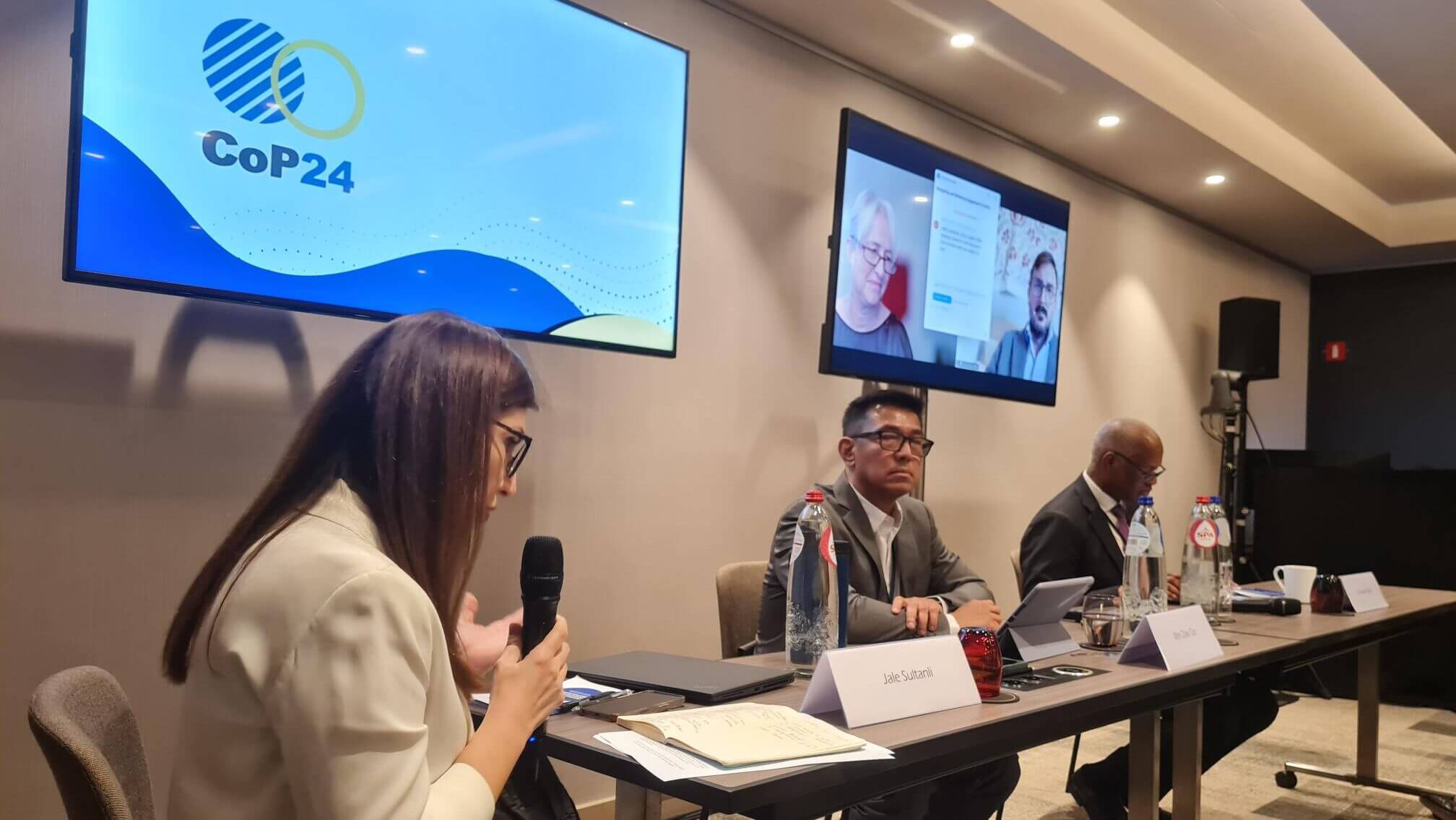
One of CMI’s panels, moderated by Senior Advisor Dr. Jale Sultanli, explored the importance of engagement in politically estranged settings and means for staying involved. With traditional diplomatic channels under strain, informal engagement by peace mediation actors is becoming increasingly significant for maintaining nuanced understanding and managing spillover events in the case of conflict escalations.
Panelists discussed regions like the Sahel and Myanmar, emphasising that estrangement from one actor does not imply estrangement from everyone. In cases where entities such as the EU step back, vacuums can open for other actors to fill the space. Panelists also weighed the risks and benefits of staying engaged.
This discussion revolved around the ways of interacting with actors in estranged settings and on the dilemmas around potential legitimisation through engagement. One suggestion to navigate this challenge was to focus efforts on peace processes and conflict resolution. Participants highlighted the importance of EU actors reviewing their approach towards engagement.
CMI’s second session addressed the challenges and opportunities in EU enlargement and peacemaking. The discussion was timely for Moldova, Ukraine, and Georgia, as they navigate complex conditions impacting their peacemaking efforts.
Moldova’s path toward EU accession was reaffirmed in a recent national referendum that leaned in favor of membership, but Georgia’s accession process has effectively stalled. Ukraine, despite the ongoing war with Russia, has been granted EU candidate status.
Panelists identified both shared and unique challenges, highlighting ways to strengthen peace processes as countries move toward EU accession. Challenges include the lack of control over certain territories, while opportunities might involve increased trade and societal reforms. Economic advances spurred by EU accession might also be key to conflict settlement.
It was noted that as countries move closer towards EU integration, conflicts become increasingly important on the EU’s political agenda.
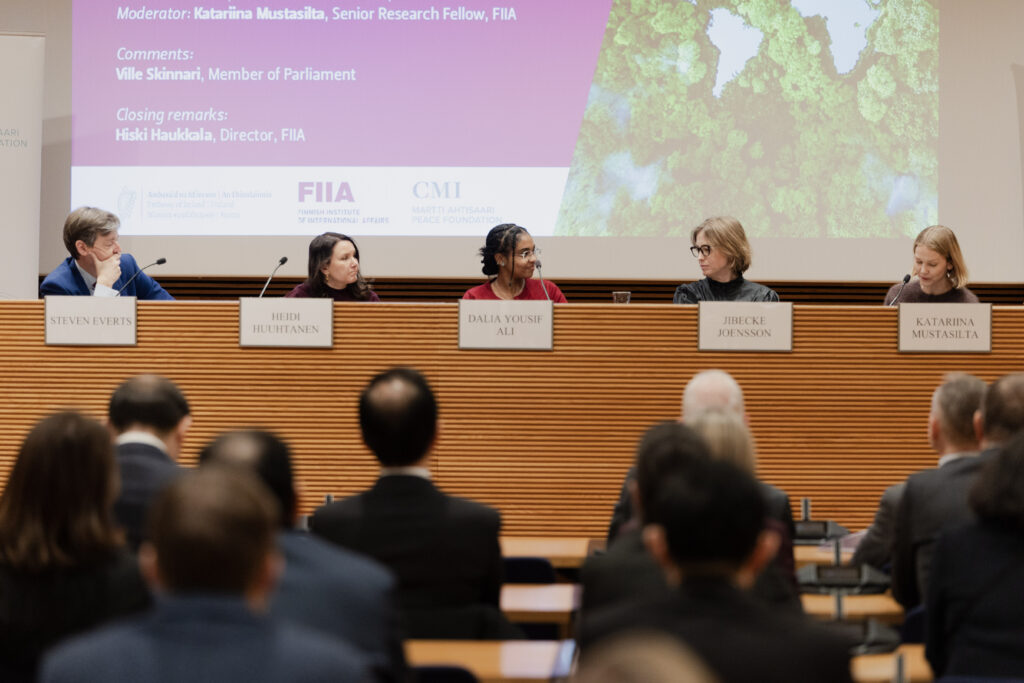
In addition to the two panel discussions, CMI’s Head of EU Affairs, Jibecke Joensson, moderated a panel organised by EPLO on advancing human security through mediation. Other sessions covered topics such as local ownership in Ukraine, religious dimensions in conflict, a two-state solution for the Israeli-Palestinian conflict, insider mediation networks, and the digital frontlines of conflict.
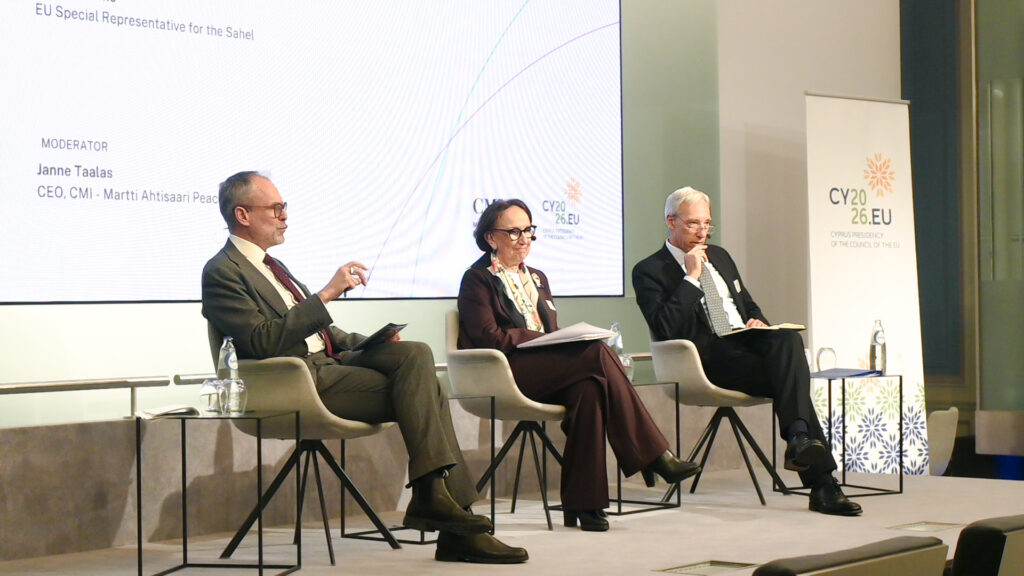
Standing united in the new mediation landscape was a central theme throughout the event. In the closing panel, CMI’s CEO, Janne Taalas, reflected on these discussions, urging peacemakers to leverage the current momentum for EU enlargement, counter the shrinking space for diplomacy, and revitalise multilateral organisations.